Lycopene: Benefits, Research & Safety
Lycopene is the red pigment that gives tomatoes, watermelon and pink grapefruit their color. It is a carotenoid with antioxidant activity. People take it as a supplement mainly because of interest in prostate and cardiovascular health, though the human evidence is mixed.
Lycopene Ingredient Guide
Also known as: Lycopene, Tomato extract (lycopene-rich), Carotenoid (non-provitamin A)
- What it is
- Lycopene is a fat-soluble carotenoid pigment found mainly in tomatoes and tomato products, plus watermelon, pink guava and pink grapefruit. Unlike beta-carotene, the body does not convert it into vitamin A.
- What it does
- It is a strong antioxidant in the lab, meaning it can neutralize reactive oxygen molecules. It is also thought to influence inflammation and cell signaling, but how much of this matters in people is not settled.
- How it is used
- People take it as capsules or softgels, or get it from cooked tomato products. Studies have typically used it daily for weeks to months.
- Natural sources and forms
- Supplements usually use lycopene extracted from tomatoes, or a synthetic or fermentation-derived version, sometimes as a whole tomato extract. Cooking and processing tomatoes with some oil makes lycopene easier to absorb, and supplements are best absorbed with a meal containing fat.
- Why it appears in formulas
- Makers add it as an antioxidant ingredient, most often in prostate or men's health blends, because of its link to the prostate in observational research.
- What to know before use
- Evidence that lycopene supplements prevent or treat any disease is limited and mixed, so it should not replace medical care or screening. Check with a clinician first if you take medicines, are pregnant or breastfeeding, or have a health condition.
What the Research Says
Overall: Limited evidence
Much of the interest in lycopene comes from observational studies. These link diets high in tomatoes and lycopene with somewhat lower risks of some conditions, including prostate cancer and cardiovascular disease. But people who eat many tomatoes also tend to eat more vegetables overall, so these studies cannot show that lycopene itself is responsible.
Controlled trials of lycopene supplements are smaller and less consistent. Reviews report that intervention trials show little meaningful change in most cardiovascular risk factors. Some trials and meta-analyses report small improvements in blood pressure or blood vessel function, but results vary and the studies are often short and small. Prostate cancer results are also contradictory, and no major health body recommends lycopene supplements to prevent or treat cancer.
Overall, lycopene from food looks like a healthy part of a vegetable-rich diet. The case for high-dose supplements is plausible but unproven.
| Studied for | What the research says | Evidence |
|---|---|---|
| Prostate health | Observational studies suggest a possible link between lycopene intake and lower prostate cancer risk, but supplement trials have been small and results contradictory. | Limited evidence |
| Blood pressure and vascular function | Some trials and pooled analyses report modest improvements in blood pressure or endothelial function, but other trials show little effect and study quality varies. | Limited evidence |
| Cardiovascular events | Higher lycopene intake or blood levels are associated with modestly lower cardiovascular risk in observational studies, but intervention trials have not confirmed this. | Limited evidence |
| Antioxidant status | Supplements raise blood lycopene and can change some antioxidant markers, but this does not show a health benefit. | Moderate evidence |
Did you know? Cooked tomatoes beat raw for lycopene
Heat breaks down tomato cell walls and helps change lycopene into forms the body absorbs more easily. Eating tomato sauce or paste with a little olive oil generally delivers more absorbable lycopene than raw tomatoes.
Amounts Used in Studies
These are amounts researchers used, not dosing advice. Ask your doctor or pharmacist what is right for you.
| Form | Amount | Study context |
|---|---|---|
| Lycopene capsules or tomato extract | About 6-30 mg/day | Amounts commonly used in cardiovascular-focused trials lasting weeks to months |
| Lycopene supplements | Up to about 45 mg/day | Reported in some studies for several months; higher amounts were not shown to add benefit |
| Cooked tomato products | Varies by food | Used in diet-based studies; cooking with oil improves absorption |
Safety, Side Effects and Interactions
Lycopene from food is safe and the supplement form is generally well tolerated at the amounts used in studies. Reported side effects are usually mild and digestive, such as nausea, diarrhea, gas or bloating.
Very high intakes over a long time, often cited as above about 30 mg a day, can cause lycopenodermia, a harmless orange-red discoloration of the skin that fades after stopping. Rare allergic reactions are possible.
Safety of lycopene supplements in pregnancy and breastfeeding has not been well established, so supplements are generally not advised. Long-term safety of high-dose supplements is less well studied than food intake. Drug-interaction databases list few or no established interactions, but those lists are not exhaustive, and supplement quality and content vary between products.
Possible interactions
- Beta-carotene taken at the same time may change how much lycopene the gut absorbs.
- Calcium may reduce lycopene absorption when taken together.
- Drug databases list no well-established major interactions, but lists are incomplete, so tell your pharmacist about all supplements.
- Fat-blocking or cholesterol-lowering products that reduce fat absorption may also lower lycopene absorption.
Avoid it or ask a doctor first if
- Pregnant or breastfeeding, unless your clinician approves
- Allergic to tomatoes or tomato extracts
- Being treated for cancer or heart disease without clinician approval
- Taking multiple medicines or supplements without pharmacist review
- Scheduled for surgery soon, as a precaution
Supplements We've Reviewed That Contain Lycopene
Each review checks the full formula, price, refund policy and side effects.
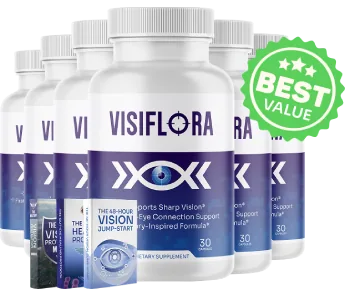
VisiFlora Review: Is This Gut-Eye Supplement Legit or Worth Buying?
A 22-ingredient eye-vitamin-style supplement marketed around a gut-eye connection, sold only through the official website.
Read the review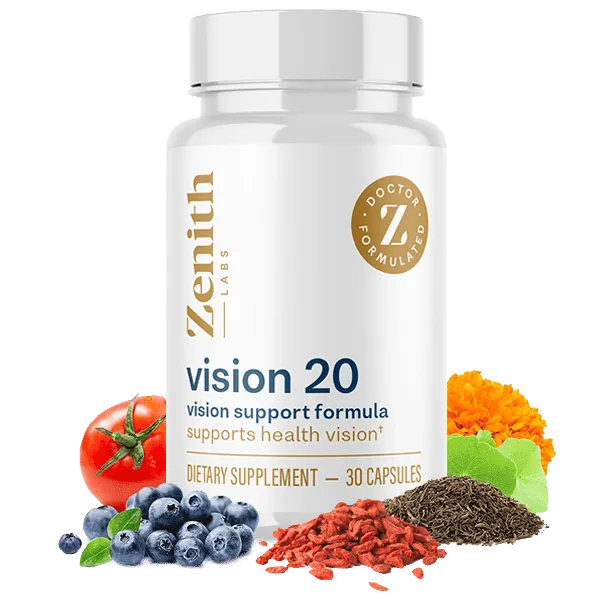
Vision 20 Review: Does This Eye Health Supplement Really Work?
A 10-ingredient carotenoid and zinc capsule sold through the official website, marketed for near- and far-distance vision, low-light vision and age-related vision decline.
Read the review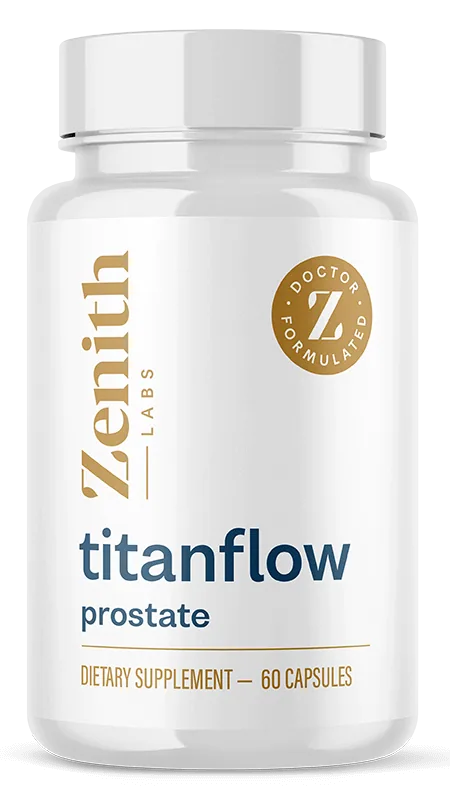
TitanFlow Review: Does It Really Support Healthy Urinary Flow?
Men's urinary flow supplement sold as strengthening urethra walls, with pumpkin seed oil as the lead ingredient.
Read the reviewFrequently Asked Questions About Lycopene
Does lycopene really work?
The evidence is limited and mixed. Diets rich in tomatoes are linked to better health in observational studies, but trials of lycopene supplements have not consistently shown clear benefits for prostate or heart health.
Is lycopene safe?
Lycopene from food is safe, and supplements are generally well tolerated at amounts used in studies. Mild digestive upset can occur, and very high intakes may turn skin orange. Pregnant or breastfeeding people should avoid supplements unless advised otherwise.
Is it better to get lycopene from food or supplements?
Food is a reasonable first choice because tomatoes also supply other nutrients and compounds. Supplement lycopene is absorbed about as well as food lycopene, but research has not shown that supplements are superior.
What can help lycopene absorb better?
Taking lycopene with a meal containing some fat helps absorption, and cooked or processed tomato products are absorbed better than raw ones. Calcium or beta-carotene taken at the same time may change absorption.
Can lycopene turn my skin orange?
Yes, a condition called lycopenodermia can happen with very high, sustained intake of lycopene-rich foods or supplements. It is harmless and generally fades after intake is reduced.
Sources
- Lycopene — Memorial Sloan Kettering Cancer Center (About Herbs)
- Lycopene intervention — National Cancer Institute clinical trials
- Lycopene research article — PubMed Central (NIH)
- Lycopene study record — PubMed (NIH)
Last reviewed: