Selenium: Benefits, Research & Safety
Selenium is an essential trace mineral. The body needs small amounts for thyroid hormone metabolism, antioxidant enzymes and DNA synthesis. People take it as a standalone supplement or in multivitamins, usually to "cover the bases" or to support thyroid and immune function. Most US adults already get enough from food, so extra selenium helps mainly when intake is low.
Selenium Ingredient Guide
Also known as: Se, selenomethionine, selenium-enriched yeast, sodium selenite, sodium selenate
- What it is
- Selenium is a trace mineral found in soil, water and food. It is built into proteins called selenoproteins.
- What it does
- Selenoproteins help regulate thyroid hormone activity, protect cells from oxidative damage and support immune function. The body needs only a small amount.
- How it is used
- People take it as a single supplement or as part of multivitamin and antioxidant products. Some use it with the aim of supporting thyroid or immune health.
- Natural sources and forms
- Brazil nuts, seafood, organ meats, meat, eggs and grains are good food sources. Supplements use selenomethionine, selenium-enriched yeast, sodium selenite or sodium selenate. Brazil nuts vary widely in selenium content, depending on the soil they grew in.
- Why it appears in formulas
- Makers add it for its antioxidant and thyroid-support role and because it is inexpensive and small enough to fit into any multi-ingredient capsule.
- What to know before use
- Selenium has a narrow safe range. The adult upper limit is 400 mcg a day from all sources, and long-term excess can cause toxicity. Check the amount in your multivitamin and your diet (especially Brazil nuts) before adding more.
What the Research Says
Overall: Moderate evidence
Selenium's role as an essential nutrient is well established. Deficiency is rare in the US but can occur in regions with selenium-poor soil, in people on long-term parenteral nutrition, and in some digestive conditions. In those groups, correcting low intake clearly matters.
Research on extra selenium in people who are already well nourished is much less encouraging. Large randomized trials and a Cochrane review found no reduction in overall cancer risk from supplements. Some trials raised safety signals, including a possible small increase in type 2 diabetes risk and, in the large SELECT trial, a higher risk of high-grade prostate cancer in men who started with high selenium levels.
The best-supported area outside deficiency is autoimmune thyroid disease. Small trials suggest effects on thyroid antibody levels, but results are inconsistent and it is unclear whether this improves how people feel or function. Evidence for heart disease and cognition is mixed or inconclusive. Overall, the evidence supports meeting needs but not taking large amounts.
| Studied for | What the research says | Evidence |
|---|---|---|
| Correcting low selenium | Where intake is low, getting enough selenium restores normal selenoprotein activity. This is the clearest benefit. | Strong evidence |
| Cancer prevention | A Cochrane review found no overall reduction in cancer risk from selenium supplements in well-nourished people. SELECT reported no prostate cancer prevention and a possible harm in men with high baseline selenium. | Strong evidence |
| Autoimmune thyroid disease | Some small trials found lower thyroid antibody levels with selenium. Results vary and clinical benefit is not established. | Limited evidence |
| Heart health | Observational studies link low selenium to higher cardiovascular risk, but supplement trials have been mixed or shown no clear benefit. | Limited evidence |
| Type 2 diabetes risk | Some trials suggested a slight increase in diabetes risk with supplements, though the finding is not fully consistent. | Limited evidence |
Did you know? Brazil nuts: a natural selenium variable
A single Brazil nut can contain anywhere from a few micrograms to well over 90 micrograms of selenium, depending on where it grew. That is why a handful a day can exceed the adult upper limit, and why a daily supplement on top is rarely needed.
Amounts Used in Studies
These are amounts researchers used, not dosing advice. Ask your doctor or pharmacist what is right for you.
| Form | Amount | Study context |
|---|---|---|
| Dietary intake (Recommended Dietary Allowance) | 55 mcg/day for adults | US reference intake for healthy adults, set to maximize selenoprotein function |
| Selenomethionine (SELECT trial) | 200 mcg/day | Large cancer-prevention trial in men, which found no prevention benefit |
| Selenium-enriched yeast or selenite | 100–200 mcg/day | Small, short thyroid-antibody trials in people with autoimmune thyroiditis |
Safety, Side Effects and Interactions
At or near the recommended intake of 55 mcg a day, selenium is well tolerated. The tolerable upper intake level for adults is 400 mcg a day from food and supplements combined (lower for children). Regularly exceeding this can cause selenosis. Signs include a garlic-like breath odor, a metallic taste, hair loss, brittle or discolored nails, skin rashes, nausea, diarrhea, fatigue, irritability and nerve problems. Severe acute overdose can cause serious heart, kidney and nervous system effects and can be fatal.
Supplement mislabeling has caused poisoning cases in the past, so quality matters. Brazil nuts can contain very large amounts, and eating several a day can push intake past the limit. Trials have also raised concerns about a possible small increase in type 2 diabetes risk and, in some men, prostate cancer risk. People who already get enough selenium from food have little reason to supplement more.
Possible interactions
- Cisplatin and other chemotherapy: selenium's antioxidant effect might theoretically alter treatment, so oncology teams should know about any supplement.
- Blood thinners such as warfarin: high selenium intake may increase bleeding risk.
- Statins combined with niacin and antioxidants: some evidence suggests antioxidants may blunt the lipid-lowering effect.
- Levothyroxine and other thyroid medicines: selenium affects thyroid hormone metabolism, so ask a clinician before combining.
- Other selenium sources: multivitamins, Brazil nuts and fortified products add to the total and can push you over the upper limit.
Avoid it or ask a doctor first if
- Already taking a multivitamin and eating Brazil nuts regularly
- Pregnant or breastfeeding, unless a clinician advises it
- Have a thyroid condition or take thyroid medicine
- Have type 2 diabetes or are at high risk of it
- Are being treated for cancer
- Have a history of prostate cancer or are at high risk
- Take blood thinners
- Have kidney disease or are giving it to children
Supplements We've Reviewed That Contain Selenium
Each review checks the full formula, price, refund policy and side effects.
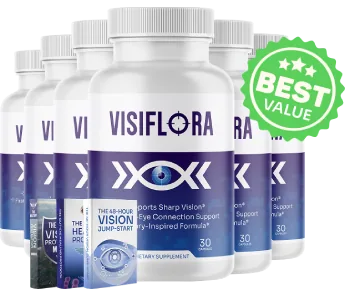
VisiFlora Review: Is This Gut-Eye Supplement Legit or Worth Buying?
A 22-ingredient eye-vitamin-style supplement marketed around a gut-eye connection, sold only through the official website.
Read the review
Thyrafemme Balance Review: Does It Really Support Thyroid Health?
A 14-ingredient daily thyroid and feminine-wellness supplement sold only through the official website, with multi-bottle packs and a 60-day refund offer.
Read the reviewFrequently Asked Questions About Selenium
Does selenium really work?
Selenium is essential, and fixing a shortfall clearly helps. In people who already get enough, large trials have not shown that extra selenium prevents cancer or heart disease. Early thyroid findings are interesting but not settled.
Is selenium safe?
It is generally safe at amounts close to dietary needs. The adult upper limit is 400 mcg a day from all sources, and exceeding it for long periods can cause selenosis, with hair loss, nail changes, nerve symptoms and digestive upset. Talk with a clinician before taking more than a multivitamin amount.
How much selenium do adults need?
The US Recommended Dietary Allowance for adults is 55 mcg a day, and most people meet it through food. Higher needs apply during pregnancy and breastfeeding. Supplement amounts used in studies are often 100–200 mcg, which is above what most people need.
Which form of selenium is best?
Selenomethionine and selenium-enriched yeast are organic forms and are absorbed well, while selenite and selenate are inorganic forms. All can raise selenium status. No form has been shown to give better health outcomes in well-nourished people.
Can I get enough selenium from food?
Yes, for most people. Seafood, meat, eggs, grains and Brazil nuts are good sources. Intake can be lower in people on restricted diets or those living in areas with selenium-poor soil, but this is uncommon in the US.
Sources
- Selenium Fact Sheet for Consumers — NIH Office of Dietary Supplements
- Selenium Fact Sheet for Health Professionals — NIH Office of Dietary Supplements
- Selenium for preventing cancer — Cochrane
- Selenium for preventing cancer (CD005195.pub4) — Cochrane Library
- Selenium in diet — MedlinePlus
Last reviewed: