Memory and "focus" supplements promise sharper thinking, but the research on most of their ingredients in healthy adults is limited. Here you'll find our reviews of brain health products and context on their key ingredients.
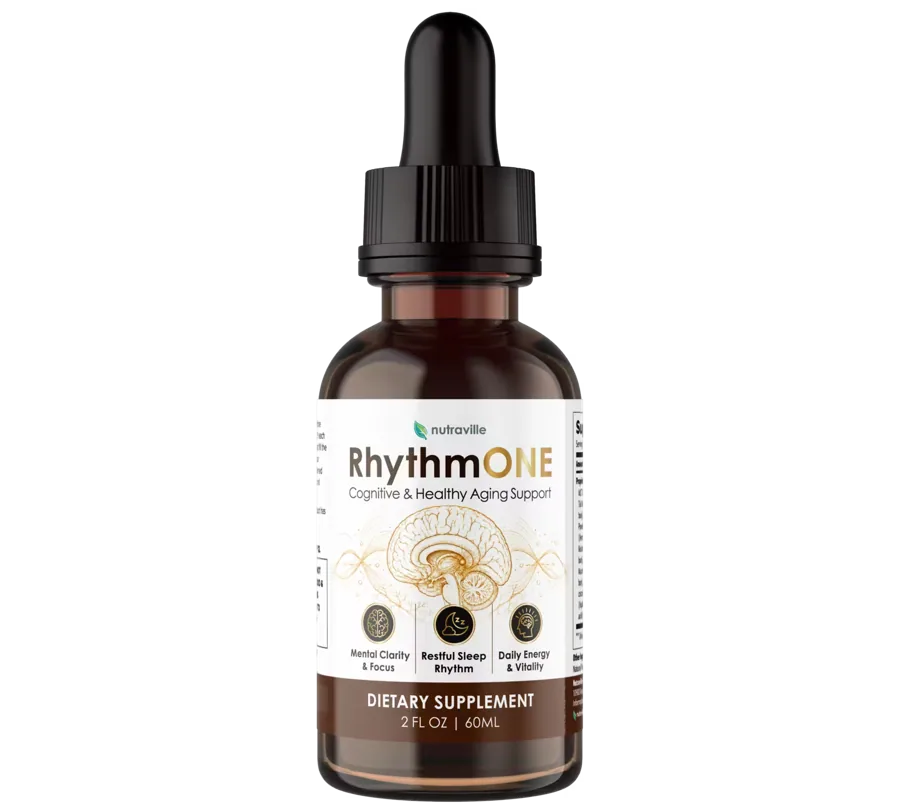
A multi-herb dropper formula sold on the official website that claims to flush fluoride from the pineal gland and restore melatonin, with no independent clinical evidence for the product itself.
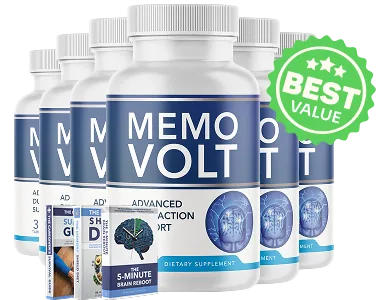
A 10-ingredient memory and brain-support supplement sold only through the official website, built around claims about microplastics and 'Type 3 Diabetes'.
A plant-based capsule supplement marketed to support memory function and brain health, sold through the official website with a 365-day money-back guarantee.
Neura review: we break down the four ingredients, price, 90-day refund policy and side effects to help you decide if this brain supplement is worth it.
Ginkgo biloba is one of the most-studied memory ingredients. In a large trial of more than 3,000 older adults, ginkgo did not lower the rate of dementia or slow cognitive decline. B vitamins appear helpful mainly for people who are actually deficient — vitamin B12 deficiency, which is more common in older adults and people taking metformin, can affect memory and is worth testing for.
Red flags in this category
Be cautious of products claiming to prevent or reverse Alzheimer's disease or dementia; the FDA has warned companies for making such claims. New or worsening memory problems should be evaluated by a doctor because many causes are treatable.
Frequently Asked Questions
Do memory supplements prevent dementia?
No supplement has been shown to prevent dementia. Claims that a product prevents or treats Alzheimer's disease are not allowed for dietary supplements.
Should I get my B12 checked?
If you have memory changes, fatigue or numbness — or you are over 50, vegan, or take metformin or acid reducers — ask your clinician whether a B12 test makes sense.