Beta-Carotene: Benefits, Research & Safety
Beta-carotene is the orange-red plant pigment found in carrots, sweet potatoes and leafy greens. Your body can convert it into vitamin A. People take it as a vitamin A source or as an antioxidant, but large trials show that high-dose supplements carry a real risk for smokers.
Beta-carotene Ingredient Guide
Also known as: β-carotene, Provitamin A carotenoid, Carotene
- What it is
- Beta-carotene is a carotenoid, a pigment made by plants and algae that gives many fruits and vegetables their orange, yellow and red color. It is a provitamin A compound, meaning the body can convert it to vitamin A as needed.
- What it does
- The body converts some beta-carotene to vitamin A, which is needed for vision, immune function and healthy skin. Beta-carotene also acts as an antioxidant in lab settings, though whether that helps people who take it as a pill is unclear.
- How it is used
- It is taken as a stand-alone capsule, in multivitamins, or in eye-health formulas. Some people use it as a safer way to get vitamin A, since the body converts only what it needs.
- Natural sources and forms
- Food sources include carrots, sweet potatoes, pumpkin, spinach and kale. Supplements use synthetic beta-carotene or natural extracts from algae or palm oil, and some are sold as part of mixed carotenoids.
- Why it appears in formulas
- Makers add it as a provitamin A source and as an antioxidant ingredient in multivitamins and eye-health products. It also gives some products a marketable "skin and immune support" angle.
- What to know before use
- Do not take high-dose beta-carotene supplements if you smoke, used to smoke, or have been exposed to asbestos, because large trials linked them to higher lung cancer rates. Ask a healthcare professional first if you are unsure.
What the Research Says
Overall: Moderate evidence
Beta-carotene is among the most heavily studied supplement ingredients. Several large randomized trials and meta-analyses exist, and their main finding was not a benefit. Studies of people who eat more carotenoid-rich fruits and vegetables often show better health outcomes. But when beta-carotene was isolated and given as a pill, it did not reproduce those benefits for cancer or heart disease prevention.
The most important result is a safety signal. In trials using 20 to 30 mg a day for several years, people who smoked or had asbestos exposure had a higher lung cancer risk. Meta-analyses put the increase at roughly 16% to 24% in current smokers, and the data show no increase in nonsmokers. Some observational research disagrees, so the mechanism is still debated.
For eye health, the original AREDS formula contained beta-carotene along with vitamins C and E, zinc and copper. It was studied in people at high risk of advanced age-related macular degeneration (AMD). The follow-up AREDS2 formula replaced beta-carotene with lutein and zeaxanthin. NIH reports this removed the lung cancer concern. Evidence for other uses, such as skin protection or general antioxidant support, is limited and mixed.
| Studied for | What the research says | Evidence |
|---|---|---|
| Lung cancer in smokers | Large trials and meta-analyses found that 20 to 30 mg a day raised lung cancer risk in current smokers and asbestos-exposed workers. No increase was seen in nonsmokers. | Strong evidence |
| Age-related macular degeneration | An AREDS-type formula containing beta-carotene, vitamins C and E, zinc and copper slowed progression in people at high risk of advanced AMD. A later formula without beta-carotene did at least as well. | Moderate evidence |
| General cancer prevention | Pooled randomized trials did not show that beta-carotene pills prevent cancer in the general population. | Moderate evidence |
| Vitamin A source | The body converts beta-carotene to vitamin A, so it can contribute to vitamin A intake. Conversion varies between people and depends on the form and the meal. | Moderate evidence |
Did you know? Why carrots can tint your skin
Beta-carotene is fat-soluble and can build up in the fat layer under the skin when someone eats or takes large amounts for weeks. This can turn the palms and soles a yellow-orange color, a harmless condition called carotenemia. Unlike jaundice, it does not turn the whites of the eyes yellow.
Amounts Used in Studies
These are amounts researchers used, not dosing advice. Ask your doctor or pharmacist what is right for you.
| Form | Amount | Study context |
|---|---|---|
| Synthetic beta-carotene alone or with other nutrients | 20-30 mg/day | Multi-year cancer prevention trials in smokers and asbestos-exposed workers, where lung cancer risk rose |
| Beta-carotene in the original AREDS formula | 15 mg/day | Multi-year trial in people at high risk of advanced AMD, combined with vitamins C and E, zinc and copper |
Safety, Side Effects and Interactions
Beta-carotene from food is considered safe. From supplements, the best-known side effect is carotenemia, a harmless yellow-orange tint to the skin that fades when intake is lowered. NIH notes there is no established upper limit for beta-carotene and other provitamin A carotenoids, and that it does not cause vitamin A toxicity the way preformed vitamin A (retinol) can.
The main safety concern is lung cancer. Smokers, former smokers and people exposed to asbestos had higher lung cancer rates when they took 20 to 30 mg a day for several years. NIH says the amounts in typical multivitamins are much lower and are not linked to this increased risk. Even so, many experts advise smokers to avoid isolated beta-carotene supplements. Some trials also reported slightly higher rates of other problems, such as heart disease deaths, in high-risk groups, but these findings are less certain.
There is little reliable safety data for high-dose supplements in pregnancy, so check with a healthcare professional. Beta-carotene supplements are not a substitute for quitting smoking.
Possible interactions
- Fat-blocking drugs such as orlistat, and bile acid binders, may lower absorption of fat-soluble nutrients including beta-carotene.
- Heavy alcohol use combined with beta-carotene supplements was linked to higher risk of harm in some studies, so avoid combining them.
- Beta-carotene is often sold with vitamin A, vitamin E and vitamin C. Ask a pharmacist if you take cholesterol-lowering medicines, since some antioxidant combinations have been studied alongside them with unclear results.
- Taking it alongside other vitamin A supplements can add to your total vitamin A intake, which matters mainly for preformed vitamin A.
Avoid it or ask a doctor first if
- Current or former smokers (for high-dose supplements)
- Past asbestos exposure
- Heavy alcohol use
- Pregnant or breastfeeding (ask a doctor first)
- Taking fat-absorption or cholesterol medicines (ask a doctor first)
- Planned surgery or active cancer treatment (ask a doctor first)
Supplements We've Reviewed That Contain Beta-carotene
Each review checks the full formula, price, refund policy and side effects.
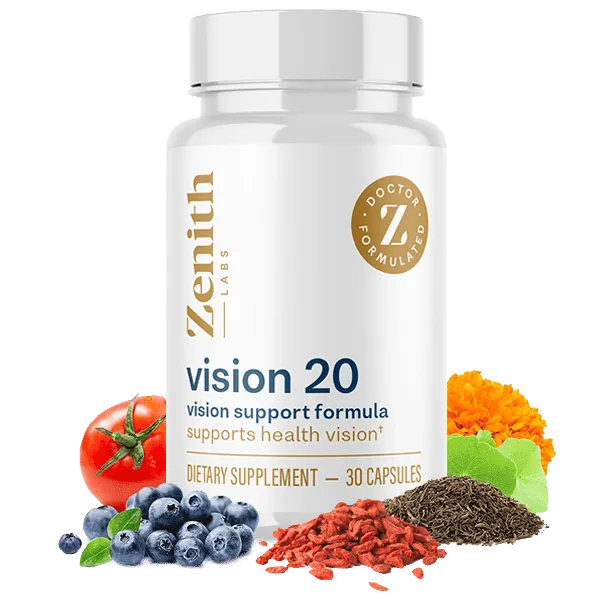
Vision 20 Review: Does This Eye Health Supplement Really Work?
A 10-ingredient carotenoid and zinc capsule sold through the official website, marketed for near- and far-distance vision, low-light vision and age-related vision decline.
Read the reviewFrequently Asked Questions About Beta-carotene
Does beta-carotene really work?
It works as a source of vitamin A, since the body converts it. As a pill for preventing cancer or heart disease, trials did not show benefit. It was studied in an AREDS-type formula for slowing advanced AMD, but a version without beta-carotene worked at least as well.
Is beta-carotene safe?
Beta-carotene from food is safe. In supplements at typical multivitamin amounts it is generally well tolerated, with skin yellowing as the main effect. High-dose pills raised lung cancer risk in smokers and asbestos-exposed people, so they should avoid them.
Can beta-carotene cause vitamin A toxicity?
Unlike preformed vitamin A (retinol), beta-carotene is not known to cause vitamin A toxicity. The body converts only what it needs. High intake can still tint your skin yellow-orange.
Is beta-carotene from food better than supplements?
Research links diets rich in carotenoid-containing fruits and vegetables with better health outcomes. Isolated beta-carotene pills have not matched those results. Foods also supply fiber and many other nutrients.
Why do eye-health formulas no longer use beta-carotene?
The AREDS2 trial replaced beta-carotene with lutein and zeaxanthin. According to NIH, the new formula reduced progression to advanced AMD even more and removed the lung cancer risk concern linked to beta-carotene.
Sources
- What are vitamin A and carotenoids and what do they do? — NIH Office of Dietary Supplements
- Role of Beta-Carotene in Lung Cancer Primary Chemoprevention: A Systematic Review with Meta-Analysis and Meta-Regression — PubMed Central
- Beta-carotene and lung cancer in smokers: review of hypotheses and status of research — PubMed
- Beta-carotene supplementation and cancer risk: a systematic review and metaanalysis of randomized controlled trials — PubMed
- Final Evidence Summary: Vitamin supplementation to prevent cancer and CVD — US Preventive Services Task Force
Last reviewed: