Saw Palmetto: Benefits, Research & Safety
Saw palmetto is a small palm native to the southeastern United States. Its berries are made into extracts that men commonly take hoping to support prostate and urinary health. Large, well-run trials have mostly not found it beats placebo for urinary symptoms.
Saw Palmetto Ingredient Guide
Also known as: Serenoa repens, Serenoa, Sabal serrulata, Sabal palm, Dwarf palmetto
- What it is
- Saw palmetto (Serenoa repens) is a low-growing palm whose dark berries have long been used in traditional American herbal practice. The fatty, oil-rich berry extract is the part sold as a supplement.
- What it does
- Lab research suggests the berry's fatty acids and plant compounds may affect hormone pathways involved in prostate growth, including the enzyme 5-alpha reductase, and may have anti-inflammatory effects. These mechanisms have not translated into clear benefits in large human trials.
- How it is used
- It is taken mostly by middle-aged and older men for urinary symptoms linked to an enlarged prostate. It is also used in small amounts for hair health, with limited evidence.
- Natural sources and forms
- Supplements use powdered berries or, more often, lipid (fat-soluble) extracts made with CO2 or ethanol. Some products are standardized to a percentage of fatty acids and sterols, commonly about 85-95%.
- Why it appears in formulas
- Makers add it to prostate and men's health blends because of its long history of use and name recognition. It is often paired with other botanicals and nutrients.
- What to know before use
- Urinary symptoms can come from conditions that need a medical check, including prostate cancer, infection and bladder problems. See a clinician before self-treating, and do not use a supplement in place of a diagnosis or prescribed care.
What the Research Says
Overall: Limited evidence
The best summary of the human evidence is the 2023 Cochrane review of 27 randomized trials with 4,656 men. It found that saw palmetto alone gives little to no benefit over placebo for urinary symptoms from an enlarged prostate. The result was similar at 3 to 6 months and at 12 to 17 months, and the Cochrane authors rated the certainty as high.
Earlier reviews were more mixed. A 2002 Cochrane review found mild to moderate improvements, but many of those trials were small, short, and of lower quality. Later, larger, better-designed trials, including two NIH-funded studies, tested standard and up to triple doses and found no improvement in symptoms.
Evidence for combination products that contain saw palmetto is less certain, because the other ingredients make it hard to tell which one is responsible for any effect. Reviews of chronic prostatitis/pelvic pain found no significant benefit. Research on hair loss is limited to a few small studies. Saw palmetto does not appear to change PSA readings in studies, but that is not a benefit, and you should still tell your clinician if you take it.
| Studied for | What the research says | Evidence |
|---|---|---|
| Enlarged prostate urinary symptoms (alone) | A 2023 Cochrane review of 27 trials found little to no difference from placebo in symptom scores at both short and long follow-up. NCCIH describes it as probably not helpful for this use. | Strong evidence |
| Combination herbal products | Products that combine saw palmetto with other herbs or nutrients have been studied, but the results are uncertain and cannot be credited to saw palmetto alone. | Limited evidence |
| Chronic prostatitis / pelvic pain | A 2022 review of five studies found no significant benefit. | Limited evidence |
| Male-pattern hair loss | A few small studies of oral and topical forms exist, but they are too limited to draw conclusions. | Early evidence |
Did you know? It does not seem to hide prostate cancer screening
In the NIH-funded CAMUS trial analysis, even higher-than-usual amounts of saw palmetto did not appear to change PSA blood test results. That matters because some prostate drugs lower PSA, which can complicate screening. You should still tell your clinician about every supplement you take.
Amounts Used in Studies
These are amounts researchers used, not dosing advice. Ask your doctor or pharmacist what is right for you.
| Form | Amount | Study context |
|---|---|---|
| Lipid extract of berries (capsules) | About 320 mg/day (commonly 160 mg twice daily) | Typical dose in many trials for urinary symptoms lasting months to a year |
| Lipid extract, escalating doses | Up to about three times the standard dose (roughly 960 mg/day) | NIH-funded trial in men with urinary symptoms; no symptom improvement versus placebo |
Safety, Side Effects and Interactions
In clinical trials lasting up to 3 years, saw palmetto has been well tolerated. NCCIH describes side effects as mild and infrequent. They may include stomach upset or other digestive symptoms, dizziness and headache. Taking it with food may reduce stomach upset.
The Cochrane review found it was likely not linked to more adverse events than placebo. Rare case reports of liver injury and pancreatitis have been published, so stop use and seek care if you notice yellowing of the skin or eyes, dark urine or severe abdominal pain. This is based on my general knowledge of the case-report literature, not a source I opened here.
The main safety risk may be indirect: relying on a supplement and delaying evaluation of urinary symptoms that could reflect something more serious. Supplements are not approved by the FDA before sale, and product quality and strength vary. NCCIH says it may be unsafe during pregnancy and breastfeeding.
Possible interactions
- NCCIH lists no specific drug interactions but advises talking with a health care provider before combining herbs with medicines.
- Because it is thought to act on hormone pathways, ask a clinician before combining it with prostate drugs such as finasteride or dutasteride.
- Theoretical concern: it may add to the effect of blood thinners or antiplatelet drugs, so mention it before surgery or if you take them.
- Hormone therapies, including estrogen or testosterone products, should be reviewed with a clinician before use.
Avoid it or ask a doctor first if
- Pregnant or breastfeeding
- Women of childbearing age generally, as it is marketed for men
- Planning surgery soon (tell your surgeon)
- Taking blood thinners or prostate or hormone medicines, unless a clinician agrees
- History of liver or pancreas problems
- Have unexplained urinary symptoms, blood in urine or an elevated PSA, until evaluated
Supplements We've Reviewed That Contain Saw Palmetto
Each review checks the full formula, price, refund policy and side effects.
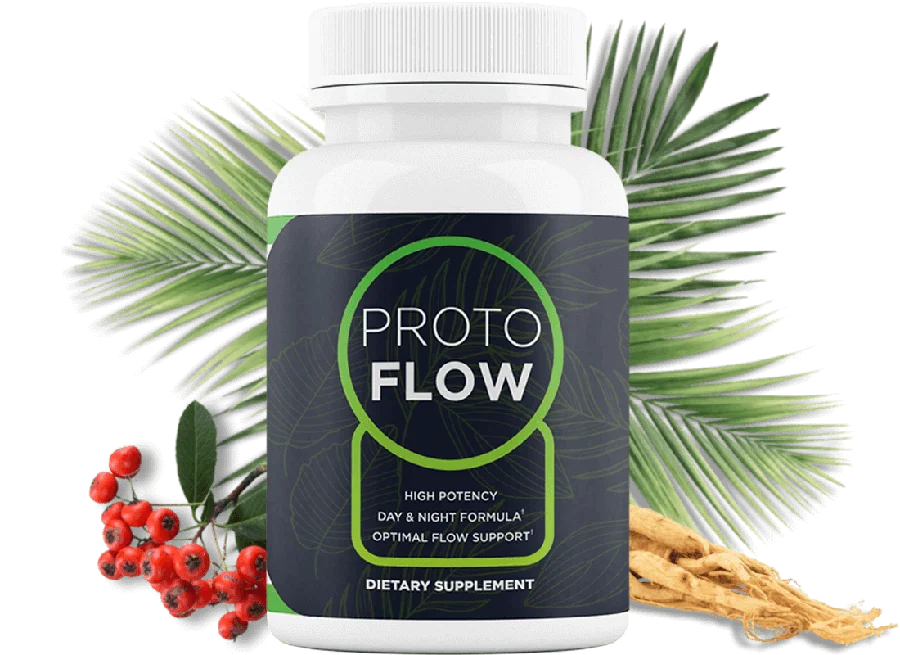
Protoflow Review: Is This Prostate Supplement Worth It?
Herbal men's prostate-support supplement sold only through the official website with a 60-day money-back guarantee; no dosages or independent evidence of effectiveness found.
Read the review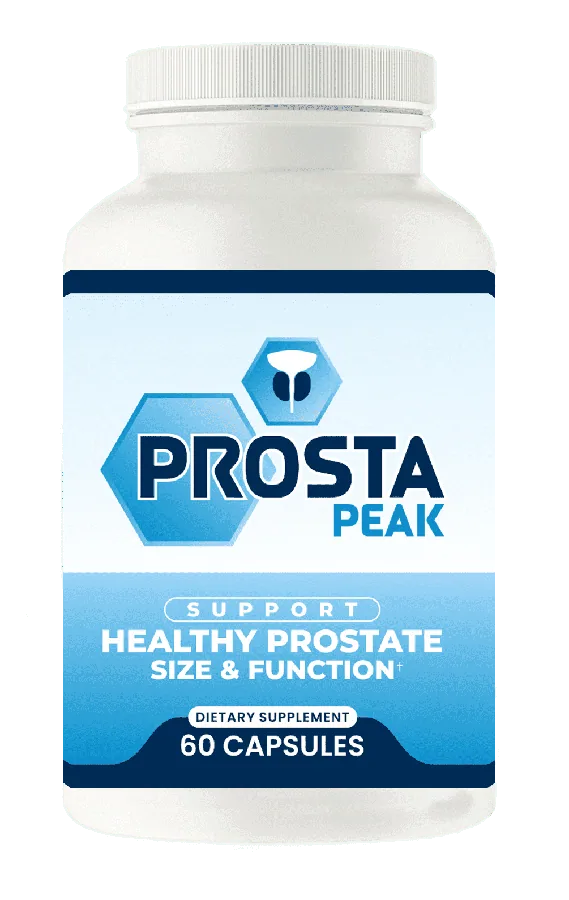
Prosta Peak Review: Does It Really Support Prostate Health?
A capsule supplement marketed for prostate health, sold only through the official website with a 90-day money-back guarantee stated on the sales page.
Read the reviewFrequently Asked Questions About Saw Palmetto
Does Saw Palmetto really work?
For urinary symptoms from an enlarged prostate, a 2023 Cochrane review of 27 trials found little to no benefit over placebo, and NCCIH calls it probably not helpful. Evidence for other uses, such as hair loss, is too limited to judge. Some men report feeling better, but studies have not shown it to be more than placebo.
Is Saw Palmetto safe?
It has been well tolerated in trials lasting up to 3 years, with mild side effects such as stomach upset, dizziness and headache. Rare liver and pancreas problems have been reported. It may be unsafe in pregnancy and breastfeeding, so talk with a clinician if you take medicines or have health conditions.
Can saw palmetto affect PSA tests?
In the CAMUS trial analysis, it did not appear to affect PSA readings, even at higher-than-usual doses. Still, tell the clinician who orders your PSA tests that you use it.
How long do studies of saw palmetto last?
Most trials ran from several months to about a year. The Cochrane review looked at both 3 to 6 month and 12 to 17 month results, and safety follow-up in studies has extended to 3 years.
Why is saw palmetto in so many prostate supplements?
It has a long history of traditional use and strong name recognition among consumers. Formulas that combine it with other ingredients are less well studied, so the benefit of the blend is uncertain.
Sources
- Saw Palmetto — NCCIH
- Serenoa repens for the treatment of lower urinary tract symptoms due to benign prostatic enlargement — PubMed (Cochrane review)
- Serenoa repens for benign prostatic hyperplasia — Cochrane
Last reviewed: