Vitamin E: Benefits, Research & Safety
Vitamin E is a fat-soluble vitamin that works as an antioxidant and is found in nuts, seeds and vegetable oils. People take it as a supplement to fill dietary gaps or for general health, but large trials have not shown that high-dose supplements prevent major diseases. Higher doses also carry some risks.
Vitamin E Ingredient Guide
Also known as: alpha-tocopherol, tocopherol, tocotrienols, d-alpha-tocopherol, dl-alpha-tocopherol, tocopheryl acetate
- What it is
- Vitamin E is a group of fat-soluble compounds (tocopherols and tocotrienols). Alpha-tocopherol is the form the human body mainly uses to meet its needs.
- What it does
- It is thought to act as an antioxidant that helps protect cell membranes from damage by free radicals. It also supports immune function and other cell processes.
- How it is used
- People use it as a capsule, softgel or multivitamin ingredient, often hoping to support general health, skin, eye or brain health. Most people who eat a varied diet already get enough.
- Natural sources and forms
- Food sources include vegetable oils, nuts, seeds and leafy greens, and some cereals are fortified. Supplements come as natural (d-alpha) or synthetic (dl-alpha) forms, often as esters like acetate, and as mixed tocopherols or tocotrienols.
- Why it appears in formulas
- Makers add it as an antioxidant and to cover daily nutrient needs, and sometimes to protect oils in a product from spoiling. It also appears in skin, eye and heart-health blends.
- What to know before use
- Talk to a health care provider before taking vitamin E supplements, especially if you use blood thinners or other medicines. High doses may raise bleeding risk.
What the Research Says
Overall: Moderate evidence
Vitamin E is an essential nutrient, and true deficiency is rare. It mostly occurs in people with fat-absorption problems such as cystic fibrosis or Crohn's disease, and in some rare genetic conditions.
For supplements taken to prevent disease, the human research is large but largely disappointing. Big randomized trials and reviews summarized by the NIH Office of Dietary Supplements found that supplements do not appear to prevent heart disease or most cancers. One large trial linked 400 IU per day to a higher risk of prostate cancer in men.
Some findings are more specific. A formula combining vitamin E with other antioxidants, zinc and copper was studied in people at high risk of advanced age-related macular degeneration and showed promise for slowing progression. Because it was a combination, the effect of vitamin E alone is unclear. A trial in veterans with mild-to-moderate Alzheimer's disease reported slower functional decline with vitamin E, but earlier trials were negative and results are mixed.
Overall, the evidence supports getting enough vitamin E, mainly from food. It does not support using high-dose supplements to prevent disease in healthy people.
| Studied for | What the research says | Evidence |
|---|---|---|
| Heart disease | Some observational studies linked higher supplement intake to lower risk, but the best controlled trials found no benefit for preventing heart disease or related death. | Moderate evidence |
| Cancer prevention | Most research shows vitamin E does not prevent cancer, and a large trial linked 400 IU per day to higher prostate cancer risk in men. | Moderate evidence |
| Age-related macular degeneration | A combination of vitamin E, other antioxidants, zinc and copper was studied in people at high risk of advanced AMD and may slow progression. Vitamin E alone has not been shown to do this. | Moderate evidence |
| Alzheimer's and cognition | One trial in veterans with mild-to-moderate Alzheimer's found slower functional decline, but earlier trials were negative. There is little evidence of benefit for healthy people or those with mild memory problems. | Limited evidence |
| Correcting deficiency | Supplements are used to correct deficiency in people with fat-malabsorption conditions, under medical supervision. | Strong evidence |
Did you know? Natural versus synthetic
Natural vitamin E (d-alpha-tocopherol) is more active in the body than synthetic (dl-alpha-tocopherol) at the same weight. That is why supplement labels give IU figures that differ by form: the NIH upper limit works out to roughly 1,500 IU for natural and 1,100 IU for synthetic vitamin E.
Amounts Used in Studies
These are amounts researchers used, not dosing advice. Ask your doctor or pharmacist what is right for you.
| Form | Amount | Study context |
|---|---|---|
| Alpha-tocopherol supplement (synthetic) | about 180 mg/day (400 IU) | Multi-year prevention trial in men, in which prostate cancer risk was higher |
| Combination antioxidant formula for eyes | about 400 IU/day vitamin E with other nutrients | Trial in people at high risk of advanced AMD (amount as commonly reported, not verified here) |
| Alpha-tocopherol | up to 1,000 mg/day is the adult upper limit | Tolerable upper intake level for supplements set by health authorities, not a recommended amount |
Safety, Side Effects and Interactions
Vitamin E from food is not harmful and does not need to be limited. Supplements are a different matter. The NIH sets an upper limit of 1,000 mg per day for adults from supplements (about 1,500 IU of natural or 1,100 IU of synthetic vitamin E). Above this, the main concern is an increased risk of bleeding.
High doses may raise bleeding risk, including a possible higher risk of hemorrhagic stroke. A large trial linked 400 IU per day to a higher risk of prostate cancer in men. For these reasons, many experts advise against high-dose supplements unless a clinician recommends them.
People undergoing chemotherapy or radiation should talk with their oncologist before using vitamin E or other antioxidant supplements. Mild side effects at high intakes can include nausea, diarrhea and stomach cramps, though these are less well documented in the sources I reviewed.
Possible interactions
- Blood thinners such as warfarin and antiplatelet drugs: vitamin E may increase bleeding risk.
- Chemotherapy and radiation therapy: antioxidant supplements may interfere, so ask your oncologist first.
- Other supplements with blood-thinning effects, such as fish oil or ginkgo, may add to bleeding risk when combined with high-dose vitamin E.
- Cholesterol-lowering combinations (such as statins with niacin): ask your pharmacist, as antioxidants have been studied for possible interference.
Avoid it or ask a doctor first if
- Taking warfarin, other anticoagulants or antiplatelet drugs
- Bleeding disorders or vitamin K deficiency
- Scheduled for surgery (ask your doctor)
- Men with prostate cancer risk concerns (ask your doctor)
- Undergoing chemotherapy or radiation
- History of stroke or heart disease (ask your doctor before supplementing)
Supplements We've Reviewed That Contain Vitamin E
Each review checks the full formula, price, refund policy and side effects.

Collagen Refresh Review: Does This Joint Powder Really Work?
Joint-comfort powder that claims to support the body's own collagen production, sold only through the official website with a 180-day guarantee.
Read the review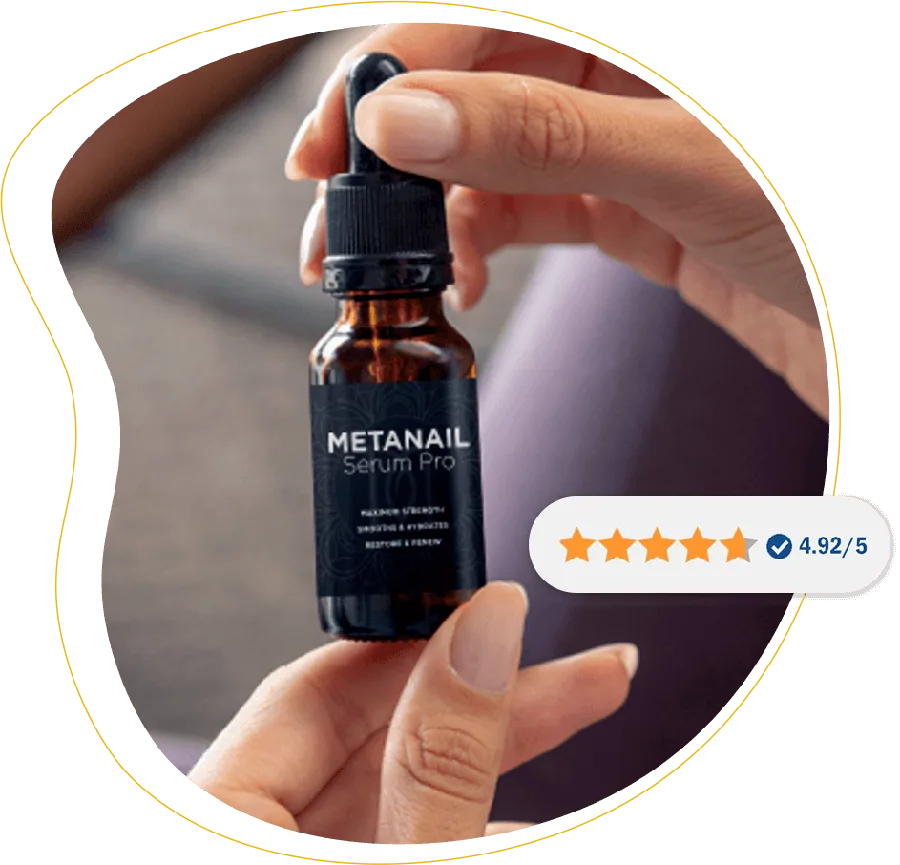
Metanail Complex Review: Does This Nail and Foot Serum Really Work?
A topical serum marketed for nail and foot health, sold on the official website in bundles with a detox product and bonus guides.
Read the review
TheyaVue Review: Does This Eye Supplement Really Work?
Vegetarian capsule supplement marketed for eye and vision health, sold only through the official website.
Read the reviewFrequently Asked Questions About Vitamin E
Does Vitamin E really work?
Vitamin E is essential, and it works to correct a deficiency. For preventing heart disease or cancer in healthy people, the best trials have not shown a benefit. Results for eye and brain health are limited and mixed.
Is Vitamin E safe?
Vitamin E from food is safe. Supplements are generally tolerated at modest amounts, but high doses may raise bleeding risk and interact with blood thinners. Adults should stay under the 1,000 mg per day upper limit unless a clinician directs otherwise.
Should I take natural or synthetic vitamin E?
Natural forms are more active in the body per milligram, so IU values differ. Either form counts toward the upper limit. A clinician or pharmacist can help you pick based on your needs.
Can I get enough vitamin E from food?
Most people can. Good sources include sunflower seeds, almonds, hazelnuts, vegetable oils and leafy greens. People with fat-absorption problems may need more and should ask their doctor.
Does vitamin E help skin or aging?
Vitamin E is common in skin products and supplements, but I did not verify good human evidence that oral supplements slow aging or improve skin. Treat marketing claims with caution.
Sources
- Vitamin E: Consumer fact sheet — NIH Office of Dietary Supplements
- Vitamin E — MedlinePlus
- Vitamin E in diet — MedlinePlus Medical Encyclopedia
Last reviewed: