Zinc: Benefits, Research & Safety
Zinc is an essential trace mineral found in meat, shellfish, legumes and seeds. The body needs it for immune function, protein and DNA production, wound healing and taste and smell. People take zinc supplements to fill dietary gaps and, most often, to support immune health during colds.
Zinc Ingredient Guide
Also known as: Zinc gluconate, Zinc picolinate, Zinc citrate, Zinc acetate, Zinc sulfate, Zinc oxide
- What it is
- Zinc is an essential mineral that the body cannot store in large amounts, so it must come from food or supplements. It is a component of hundreds of enzymes.
- What it does
- Zinc helps enzymes work, supports the development and function of immune cells, and takes part in making proteins and DNA and in wound repair. Lozenge forms are thought to act locally in the throat, possibly by interfering with cold viruses.
- How it is used
- It is used in daily multivitamin-type supplements and in short-term lozenges or syrups taken when a cold starts. It is also found in some eye-health formulas.
- Natural sources and forms
- Food sources include oysters, red meat, poultry, beans, nuts and fortified cereals. Supplements come as zinc gluconate, acetate, citrate, picolinate, sulfate and oxide, and labels list the amount of elemental zinc.
- Why it appears in formulas
- Makers add zinc to support immune function and general nutrition, and because many people do not get enough from their diets. It is a common, inexpensive ingredient in multi-ingredient formulas.
- What to know before use
- Keep total daily zinc (food plus supplements) below the adult upper limit of 40 mg unless a clinician advises otherwise. Long-term high intake can cause copper deficiency.
What the Research Says
Overall: Moderate evidence
Zinc is a well-established essential nutrient, and deficiency is clearly linked to impaired immunity, poor wound healing and slowed growth. The evidence for supplements in people who are not deficient is more mixed and depends on the use.
The best-studied use is the common cold. A 2024 Cochrane review pooled eight treatment trials (972 participants) and found low-certainty evidence that zinc may shorten colds by around two days, with no clear effect on severity. Minor side effects, mostly taste-related, were probably more common with zinc. Critics of that review argue the benefit is larger for well-formulated lozenges in adults, and that results depend heavily on the lozenge formulation and amount. Evidence in children is weaker.
Other areas, such as diarrhea in children in low-income countries, wound healing and eye health, have supportive but uneven research. Many trials are small, short and use different forms and amounts, which makes comparison hard. Zinc supplements do not treat or cure any disease, and the strongest case for supplementation is correcting a low intake.
| Studied for | What the research says | Evidence |
|---|---|---|
| Common cold | A 2024 Cochrane review found low-certainty evidence that zinc taken after cold symptoms begin may shorten colds by about two days, with little effect on severity. Researchers disagree on how large the benefit is and which lozenge formulations work best. | Moderate evidence |
| Correcting low zinc intake | Zinc supplements raise zinc levels in people who are low, which matters for immune function and growth. Older adults, vegetarians, and people with certain digestive conditions are more likely to have low intake. | Strong evidence |
| Childhood diarrhea | Trials in children in low- and middle-income countries suggest zinc given alongside rehydration may shorten episodes. This research may not apply to well-nourished US children. | Moderate evidence |
| Eye health | Zinc combined with antioxidant vitamins and copper was studied in people with intermediate age-related macular degeneration. Results apply to that specific combination, not zinc alone. | Limited evidence |
| Wound healing | Zinc is needed for tissue repair, but supplements have mainly helped in people with deficiency. Benefit in people with normal zinc status is unclear. | Limited evidence |
Did you know? Why zinc can dull taste
Zinc is needed for normal taste and smell, which is why deficiency can change how food tastes. Oddly, zinc lozenges commonly cause a bad or metallic taste, which is among the most reported side effects in cold trials.
Amounts Used in Studies
These are amounts researchers used, not dosing advice. Ask your doctor or pharmacist what is right for you.
| Form | Amount | Study context |
|---|---|---|
| Zinc lozenges (acetate or gluconate) | Often about 75 mg or more elemental zinc per day, in divided doses | Short-term trials in adults, started within about 24 hours of cold symptoms and used for several days |
| Daily supplement or dietary intake | Adult RDA is 11 mg/day for men and 8 mg/day for women | Recommended intake to meet nutritional needs; the adult tolerable upper limit is 40 mg/day |
Safety, Side Effects and Interactions
At typical nutritional amounts, zinc is considered safe for most adults. Common side effects of supplements include nausea, stomach upset, vomiting, a metallic taste and loose stools, especially when taken on an empty stomach or at higher amounts.
Taking more than the upper limit of 40 mg per day for long periods can interfere with copper absorption. Copper deficiency may cause anemia, low white blood cell counts and nerve problems. High intakes have also been linked to lower HDL cholesterol and weaker immune function in some reports.
Lozenges are usually used only for a few days. Zinc nasal sprays and gels have been linked to loss of smell, sometimes lasting, and the US FDA has warned against them. Very large single amounts can cause acute poisoning with stomach pain and vomiting. Keep supplements away from children.
Possible interactions
- Zinc can reduce absorption of quinolone and tetracycline antibiotics; take them at separate times as directed by a pharmacist.
- Zinc may lower absorption of penicillamine, used for Wilson's disease and rheumatoid arthritis.
- Thiazide diuretics can increase zinc loss in urine.
- Zinc and copper compete for absorption, so high zinc intake over time can lower copper levels.
- Zinc may reduce the absorption of iron and calcium supplements if taken at the same time.
Avoid it or ask a doctor first if
- Taking more than 40 mg a day from all sources without medical advice
- Using nasal zinc sprays or gels
- Taking quinolone or tetracycline antibiotics (ask a pharmacist about timing)
- Pregnant or breastfeeding, unless within recommended amounts
- Has kidney disease or other chronic health conditions (ask a doctor first)
- Giving to children above age-based upper limits
Supplements We've Reviewed That Contain Zinc
Each review checks the full formula, price, refund policy and side effects.
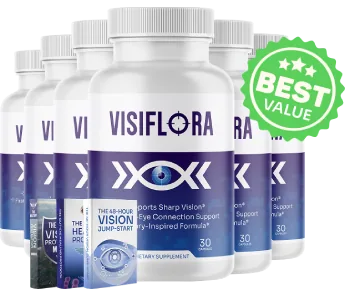
VisiFlora Review: Is This Gut-Eye Supplement Legit or Worth Buying?
A 22-ingredient eye-vitamin-style supplement marketed around a gut-eye connection, sold only through the official website.
Read the review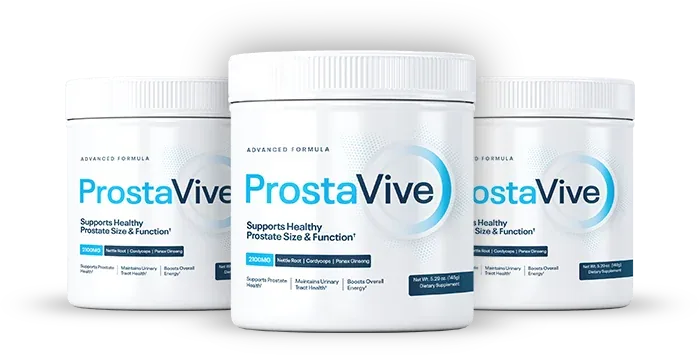
ProstaVive Review: Is It Legit or Just Hype for Prostate Support?
Men's prostate-support supplement sold on the official website with bulk-pack pricing and a 180-day refund claim; its health claims go well beyond the evidence shown on the page.
Read the review
TheyaVue Review: Does This Eye Supplement Really Work?
Vegetarian capsule supplement marketed for eye and vision health, sold only through the official website.
Read the review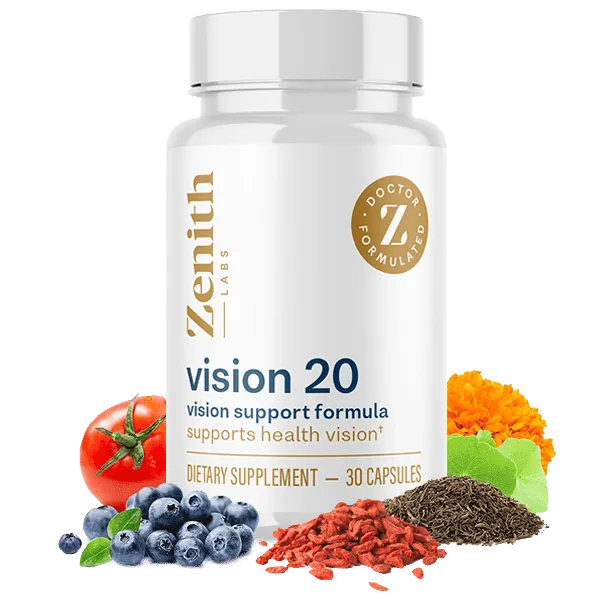
Vision 20 Review: Does This Eye Health Supplement Really Work?
A 10-ingredient carotenoid and zinc capsule sold through the official website, marketed for near- and far-distance vision, low-light vision and age-related vision decline.
Read the review
Thyrafemme Balance Review: Does It Really Support Thyroid Health?
A 14-ingredient daily thyroid and feminine-wellness supplement sold only through the official website, with multi-bottle packs and a 60-day refund offer.
Read the review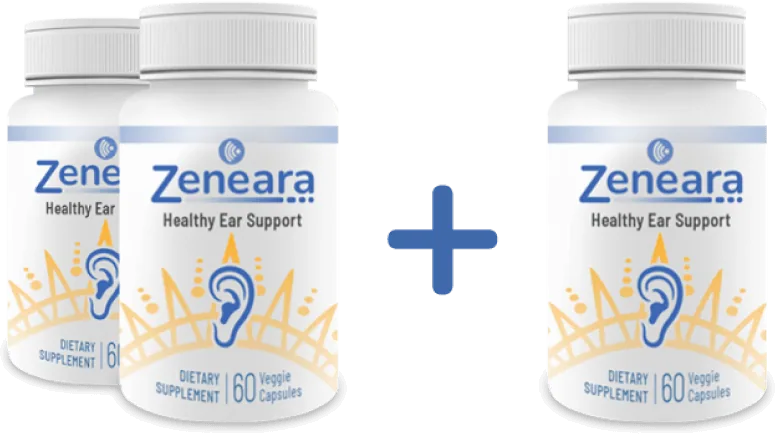
Zeneara Review: Does It Really Support Ear Health?
A capsule supplement marketed for ear health, sold through the official website with bulk-discount pricing.
Read the reviewFrequently Asked Questions About Zinc
Does zinc really work?
Zinc is essential, and supplements help people who are low in it. For colds, a 2024 Cochrane review found low-certainty evidence that it may shorten colds by about two days, but not reduce severity. Results vary by form and amount, and zinc is not a cure for any illness.
Is zinc safe?
Zinc is generally safe at recommended amounts, but too much can cause nausea and, over time, copper deficiency. The adult upper limit from all sources is 40 mg per day. Avoid zinc nasal products, and check with a doctor or pharmacist if you take medicines.
How much zinc do adults need?
The US RDA is 11 mg a day for adult men and 8 mg for adult women, higher during pregnancy and breastfeeding. Most people in the US get this from food. Supplements are mainly relevant if your diet is low in zinc.
Should I take zinc with food?
Many people find zinc easier on the stomach with a meal, since it can cause nausea when taken empty. Food high in phytates, such as whole grains and legumes, can slightly reduce absorption. Separate it from some antibiotics, iron and calcium.
Which form of zinc is best?
No form is clearly proven best. Gluconate, acetate, citrate and picolinate are commonly used, and zinc oxide is usually less well absorbed. For colds, lozenge composition seems to matter, and added ingredients can bind zinc.
Sources
- Zinc: Fact Sheet for Consumers — NIH Office of Dietary Supplements
- Shortcomings in the Cochrane review on zinc for the common cold — PubMed Central
- Zinc and the common cold, frontiers in Medicine — Frontiers
Last reviewed: