Kelp: Benefits, Research & Safety
Kelp is a group of large brown seaweeds that people eat as food and take as tablets, capsules or powders. It is best known as a concentrated natural source of iodine, a mineral the thyroid gland needs. People take it for thyroid support, general nutrition and as a seaweed-based ingredient in wellness blends. The same iodine that makes it useful can cause problems when intake is too high.
Kelp Ingredient Guide
Also known as: Brown seaweed, Laminaria, Saccharina japonica (kombu), Ascophyllum nodosum, Macrocystis pyrifera, Sea vegetable
- What it is
- Kelp is a large brown seaweed that grows in cool, shallow ocean waters. Several species are sold as food or supplements.
- What it does
- Kelp supplies iodine, which the thyroid uses to make thyroid hormones that help regulate metabolism. It also contains fiber, minerals and plant compounds such as alginates and fucoidan, which are mostly studied in the lab.
- How it is used
- People eat it as dried sheets or flakes, or take it as tablets, capsules or powder. Supplements are usually used as an iodine source or as part of broader formulas.
- Natural sources and forms
- Common sources are Laminaria, Saccharina, Ascophyllum and Macrocystis species. Supplement forms include whole dried kelp powder and extracts. Iodine content is rarely standardized and can differ a lot between products and batches.
- Why it appears in formulas
- Makers add kelp as a natural iodine source to support normal thyroid function, or as a marine-plant ingredient in multi-ingredient blends. Some claim it supports energy or mental performance, which rests largely on the thyroid link.
- What to know before use
- Kelp can supply far more iodine than you need, and some products also contain arsenic or other metals. Check with a doctor first if you have any thyroid condition, are pregnant or take thyroid medicine.
What the Research Says
Overall: Limited evidence
Most of what is known about kelp comes from its iodine content rather than from trials of kelp itself. Iodine is an essential nutrient, and not getting enough can impair thyroid function. Reviews of kelp supplements as a product are mostly small studies, case reports and product-testing surveys instead of large, well-controlled human trials.
Some small human studies have looked at kelp or brown seaweed extracts for blood sugar, cholesterol, weight and gut health. Results are mixed or preliminary, and many used different species, extracts and amounts, so they cannot be compared easily. Much of the interest in kelp compounds such as fucoidan and alginate comes from test-tube and animal research, which does not show the same effects will occur in people.
The better-documented findings are about risk. Case reports link kelp supplements to thyroid problems from excess iodine and to arsenic exposure, and independent testing has found that iodine amounts on labels can be inaccurate. In short, kelp reliably provides iodine, but evidence for other health benefits is limited.
| Studied for | What the research says | Evidence |
|---|---|---|
| Iodine supply and thyroid function | Kelp is a rich natural source of iodine, which the body needs to make thyroid hormones. Iodine content varies greatly by species and product, and too much can disturb thyroid function as well as too little. | Moderate evidence |
| Label accuracy and contamination | Product testing by a consumer-testing group found that some kelp supplements contained about twice the iodine on the label, and one also contained arsenic. This is a quality finding, not a benefit. | Limited evidence |
| Blood sugar and cholesterol | Small studies of seaweed and brown algae extracts have looked at blood sugar and blood fats, with inconsistent results. Many results come from animal or lab work. | Early evidence |
| Weight management | Alginate and fiber from brown seaweed have been studied for feeling full and weight, mostly in short, small trials. Findings are not strong enough to draw conclusions. | Early evidence |
Did you know? Seaweed iodine varies hugely
The iodine in kelp depends on the species, where it grew and how it was processed, so two kelp products can differ many times over. In one consumer-testing review, about half of the kelp supplements tested contained roughly twice the iodine listed on the label. This is why kelp is harder to dose safely than a standardized iodine supplement.
Amounts Used in Studies
These are amounts researchers used, not dosing advice. Ask your doctor or pharmacist what is right for you.
| Form | Amount | Study context |
|---|---|---|
| Iodine from kelp (for context on nutrient needs) | Adult recommended intake is 150 mcg iodine/day; the tolerable upper intake level is 1,100 mcg/day (US Institute of Medicine values) | Nutrient reference values, not a recommendation for kelp. Kelp products can exceed these amounts in a single serving. |
| Kelp supplement iodine per serving | Up to about 225 mcg iodine per serving has been cited as a guideline for kelp products | Figure reported in a secondary source summarizing FDA guidance; verify against current official guidance. |
Safety, Side Effects and Interactions
The main concern with kelp is iodine. Both too little and too much iodine can affect the thyroid, and excess intake has been linked to underactive or overactive thyroid. Because kelp iodine content varies and labels can be inaccurate, it is easy to take much more than intended, especially if you also use a multivitamin or other seaweed products.
Kelp also absorbs minerals and metals from seawater. Arsenic has been found in some kelp supplements, and a published case report linked a person's symptoms to arsenic in a kelp product. Testing has also found high iodine and heavy metals in some seaweed snacks. Other possible effects include stomach upset, nausea, diarrhea, skin reactions such as acne-like rashes in sensitive people, and a metallic taste.
People with thyroid disease, iodine sensitivity, kidney problems or liver problems should talk with a doctor before using kelp. Pregnant and breastfeeding women need adequate iodine but should get advice on the right sources and amounts, since both deficiency and excess matter for the baby. Choosing products that publish third-party testing for iodine and heavy metals is wise, though this does not remove the risk.
Possible interactions
- Thyroid hormone medicines such as levothyroxine: extra iodine may change how much medicine you need.
- Antithyroid drugs such as methimazole: added iodine may work against the drug's effect.
- Other iodine-containing products, including multivitamins and other seaweed supplements, can add up to excessive total iodine.
- Lithium: combined with iodine it may raise the chance of thyroid effects.
- Blood thinners such as warfarin: some seaweeds contain vitamin K or fiber that could affect how you respond, so ask a pharmacist.
- Amiodarone, which contains iodine, may add to total iodine load.
Avoid it or ask a doctor first if
- You have a thyroid condition such as Hashimoto's or Graves' disease
- You take thyroid medicine, lithium or amiodarone
- You are pregnant or breastfeeding, unless your clinician advises it
- You have kidney disease
- You are allergic or sensitive to iodine or seafood
- You already take other iodine-containing supplements
Supplements We've Reviewed That Contain Kelp
Each review checks the full formula, price, refund policy and side effects.

Thyrafemme Balance Review: Does It Really Support Thyroid Health?
A 14-ingredient daily thyroid and feminine-wellness supplement sold only through the official website, with multi-bottle packs and a 60-day refund offer.
Read the review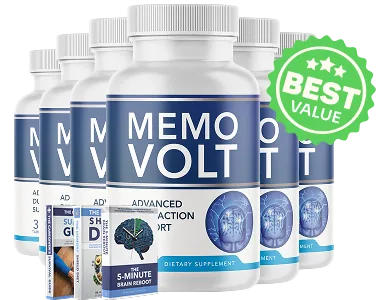
MemoVolt Review: Does It Really Support Healthy Memory?
A multi-ingredient brain and memory supplement sold on the official website, with bundles from 2 to 6 bottles and a 60-day money-back guarantee.
Read the reviewFrequently Asked Questions About Kelp
Does kelp really work?
Kelp reliably supplies iodine, which the thyroid needs, so it may help people who are low in iodine. Evidence for other benefits such as weight, blood sugar or cholesterol is limited and early. Much of that research is in animals or labs.
Is kelp safe?
Kelp can be safe in small food amounts for many people, but supplements can deliver too much iodine and sometimes arsenic. Too much iodine can disrupt thyroid function. People with thyroid disease, who are pregnant or who take certain medicines should ask a doctor first.
Can kelp affect my thyroid?
Yes. Iodine is used to make thyroid hormones, and both too little and too much can cause problems. Excess iodine from kelp has been linked to both underactive and overactive thyroid in some people.
Are kelp supplements tested for contaminants?
Not necessarily. Supplements are not approved by the FDA before sale, and independent testing has found inaccurate iodine labels and arsenic in some kelp products. Look for products with third-party testing, and know that this lowers but does not remove the risk.
Is eating kelp different from taking a kelp supplement?
Both can contain large and variable amounts of iodine. Whole seaweed used occasionally in meals is easier to keep in moderation than daily concentrated tablets. Seaweed snacks have also been found to contain high iodine and metals in some tests.
Sources
- Arsenic in Herbal Kelp Supplements: Schenker et al. Respond — Environmental Health Perspectives (PMC)
- Caution with kelp supplements — ConsumerLab
- Dangerous Amounts of Iodine, Toxic Heavy Metals Found in Some Seaweed Snacks — ConsumerLab
- Kelp's therapeutic uses — EBSCO Research Starters
Last reviewed: