Fucoidan: Benefits, Research & Safety
Fucoidan is a sulfated carbohydrate found in brown seaweeds such as mozuku, kombu, wakame and bladderwrack. People take it in hopes of supporting immune function and general wellness. Most of the excitement comes from lab and animal work, and human evidence is still small and mixed.
Fucoidan Ingredient Guide
Also known as: fucan, sulfated fucan, fucoidin, brown seaweed extract, Fucus vesiculosus extract, Undaria pinnatifida extract
- What it is
- Fucoidan is a group of sulfated polysaccharides (long-chain carbohydrates) found in the cell walls of brown seaweeds and some marine animals such as sea cucumbers. Its structure varies by seaweed species, season and extraction method.
- What it does
- In test tubes and animals, fucoidan has shown effects on immune cells, inflammation signaling and blood clotting. How much of this carries over to people who take it by mouth is not well established, partly because absorption appears to be limited.
- How it is used
- It is taken as capsules, powders or liquids, usually daily for weeks to months. Researchers have also studied it alongside standard care in people with cancer, but this is not a proven use.
- Natural sources and forms
- Common sources are Fucus vesiculosus (bladderwrack), Undaria pinnatifida (wakame), Cladosiphon okamuranus (mozuku) and Laminaria species (kombu). Products differ in seaweed source, molecular weight and fucoidan percentage, and these differences make studies hard to compare.
- Why it appears in formulas
- Makers add it to immune, joint, gut and general wellness blends because of its seaweed origin and the laboratory research on immune and inflammatory pathways. It is often marketed as a marine-derived ingredient.
- What to know before use
- Talk with a healthcare professional first if you take blood thinners, have a bleeding disorder or thyroid condition, are pregnant, or are being treated for cancer. Fucoidan should not replace medical care.
What the Research Says
Overall: Limited evidence
Most fucoidan research is in cells and animals. Human trials exist but are few, small and use many different products, so results are hard to compare.
A 2022 systematic review of fucoidan used alongside cancer care found only 4 studies with 118 participants in total. Only one was a randomized trial, and the others were non-randomized. Some showed longer chemotherapy duration, less fatigue or lower inflammatory markers, but results were inconsistent, quality of life did not change significantly, and the authors said the evidence was too limited for firm clinical recommendations.
Outside cancer, small studies have looked at immune response (for example, antibody response to flu vaccination in older adults), but I could not verify these against primary sources, so treat them as early. Some reports also suggest effects on blood sugar and insulin sensitivity that are mixed.
Long-term human safety data are lacking. Overall, fucoidan is an interesting research compound, not a proven treatment for any condition.
| Studied for | What the research says | Evidence |
|---|---|---|
| Supportive care in cancer | A small systematic review of 4 studies found some signals, such as longer chemotherapy duration and less fatigue, but results were inconsistent and designs were weak. Authors said evidence was too limited for recommendations. | Limited evidence |
| Inflammation markers | One small single-group study in cancer patients reported lower IL-1β, IL-6 and TNF-α after fucoidan. Without a control group, this cannot be attributed to fucoidan. | Early evidence |
| Immune response | Small trials, including one on flu vaccine response in older adults, have looked at immune effects. These were not verified here against the primary papers, and findings need replication. | Early evidence |
| Blood clotting | Fucoidan shows anticoagulant activity in test tubes. In people taking it by mouth, this effect appears small or absent, possibly because of poor absorption. | Limited evidence |
Did you know? Same name, very different products
Fucoidan is not a single molecule. Its structure, sulfate content and size differ by seaweed species and extraction method. That is one reason results from one study often cannot be applied to another product.
Amounts Used in Studies
These are amounts researchers used, not dosing advice. Ask your doctor or pharmacist what is right for you.
| Form | Amount | Study context |
|---|---|---|
| Liquid fucoidan drink | About 4 g/day (150 to 400 mL) | Studies of 4 weeks to 6 months in people with advanced gastric or colorectal cancer in Japan |
| Low-molecular-weight fucoidan powder | 4 g twice daily | One 6-month randomized trial against placebo in metastatic colorectal cancer in Taiwan |
| Capsule or powder extract | Around 1 g/day for up to 3 months | Earlier healthy-volunteer research described in reviews, with no toxicity reported |
Safety, Side Effects and Interactions
Fucoidan appears well tolerated in the short-term human studies reviewed. One review notes no toxicity at about 1 g per day for up to three months, and animal studies of fucoidan from Undaria and Laminaria suggest low toxicity at high intakes. The cancer-care studies reported no clear harmful effects, though they did not grade severity.
Reported or possible side effects include digestive upset such as loose stools or bloating. Long-term safety is not well studied, and supplement quality varies.
Whole brown seaweed products can contain significant iodine, which can worsen thyroid problems. This is a concern with whole seaweed and some extracts rather than purified fucoidan, so check labels for iodine. Brown seaweed products may also contain heavy metals such as arsenic, depending on the source and testing.
The FDA has not approved fucoidan to treat any condition. Safety in pregnancy, breastfeeding and children has not been established.
Possible interactions
- Blood thinners (warfarin, heparin, apixaban and similar): fucoidan is anticoagulant in lab tests, and although oral effects look small, bleeding risk is a possible concern.
- Antiplatelet drugs and NSAIDs (aspirin, clopidogrel): may theoretically add to bleeding tendency.
- Thyroid medicines: iodine in seaweed-based products may interfere with thyroid control.
- Chemotherapy and other cancer treatments: discuss with your oncology team before using, as interactions are not well studied.
- Diabetes medicines: some reports suggest effects on blood sugar, so monitoring may matter.
Avoid it or ask a doctor first if
- You take blood-thinning medicine
- You have a bleeding disorder or are scheduled for surgery
- You have a thyroid condition
- You are pregnant or breastfeeding
- You are undergoing cancer treatment, unless your care team approves
- You have a seaweed or iodine allergy
Supplements We've Reviewed That Contain Fucoidan
Each review checks the full formula, price, refund policy and side effects.

Phytomem One Review: Is It Legit or Just Hype?
A 10-ingredient memory and brain-support supplement sold only through the official website, built around claims about microplastics and 'Type 3 Diabetes'.
Read the review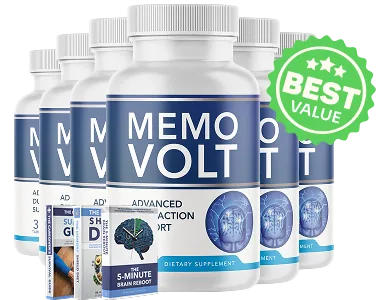
MemoVolt Review: Does It Really Support Healthy Memory?
A multi-ingredient brain and memory supplement sold on the official website, with bundles from 2 to 6 bottles and a 60-day money-back guarantee.
Read the reviewFrequently Asked Questions About Fucoidan
Does fucoidan really work?
Research is still early. Lab and animal studies are interesting, but human trials are few, small and varied. A systematic review in cancer patients found inconsistent results and called for larger randomized trials.
Is fucoidan safe?
Short-term human studies using about 1 to 4 g per day have reported few problems. Long-term data are lacking, and people on blood thinners, with thyroid conditions, or who are pregnant should check with a doctor first.
Which seaweed is fucoidan best sourced from?
No source has been shown to be better in people. Common ones are wakame, mozuku, kombu and bladderwrack, and their fucoidans differ chemically, so results are not interchangeable.
Can fucoidan affect the thyroid?
Purified fucoidan is not itself a major iodine source, but whole brown seaweed products can contain a lot of iodine. People with thyroid conditions should check iodine content and ask their clinician.
Can I take fucoidan during cancer treatment?
Some small studies have tested it alongside chemotherapy, but benefits are unproven. Speak with your oncology team before taking any supplement during treatment.
Sources
- Effectiveness of Fucoidan on Supplemental Therapy in Cancer Patients: A Systematic Review — PubMed Central
- Fucus Vesiculosus — RxList
- Fucus vesiculosus with warfarin — Hello Pharmacist
- Fucoidan review — PubMed Central
Last reviewed: