Spirulina: Benefits, Research & Safety
Spirulina is a blue-green microalga (a cyanobacterium) sold as a powder, tablet or capsule. People take it as a nutrient-dense food supplement and for its possible effects on heart and metabolic health. Research is growing, but much of it consists of small, short trials.
Spirulina Ingredient Guide
Also known as: Arthrospira platensis, Arthrospira maxima, Spirulina platensis, Spirulina maxima, Blue-green algae
- What it is
- Spirulina is a freshwater and alkaline-water cyanobacterium, commonly called blue-green algae, that is dried and sold as a supplement or food ingredient. It is mostly protein and also contains B vitamins, iron and pigments such as phycocyanin.
- What it does
- Its pigment phycocyanin and other compounds have antioxidant and anti-inflammatory activity in lab and animal studies. How much this matters in people is not well established.
- How it is used
- It is taken as capsules, tablets or powder stirred into drinks and smoothies. People use it for general nutrition, and trials have looked at cardiometabolic markers.
- Natural sources and forms
- Commercial spirulina is grown in ponds or tanks and then dried, mainly Arthrospira platensis and A. maxima. Some products are phycocyanin extracts, and quality depends on where it is grown and how it is tested for contaminants.
- Why it appears in formulas
- Makers add it as a plant-based source of protein, antioxidants and pigments, and for its green, nutrient-dense image. In joint and brain formulas it is typically included for its antioxidant and anti-inflammatory appeal.
- What to know before use
- Choose products that are independently tested for heavy metals and microcystin toxins, because contamination is the main safety concern. Ask a doctor first if you are pregnant, take immune or blood-thinning medicines, or have an autoimmune condition or phenylketonuria.
What the Research Says
Overall: Limited evidence
Human research on spirulina includes many randomized controlled trials, but most are small and short, and quality varies. Several 2025 meta-analyses pool these trials. They point most consistently to small reductions in blood pressure. Results for cholesterol, triglycerides and blood glucose are less consistent. One analysis of 35 trials reported lower triglycerides, total cholesterol and LDL cholesterol, but it rated some of that evidence as low quality. Another review in overweight and obese adults concluded that the overall effect on body composition and blood sugar control appears limited.
The trials differ widely in dose, product, duration and participant health, which makes firm conclusions difficult. Claims that spirulina helps joints or brain function rest mostly on test-tube and animal work, with very little direct human evidence. Overall, spirulina looks promising for some cardiometabolic markers, but the evidence is limited and larger, better-controlled trials are needed. This summary is based on the abstracts of these reviews.
| Studied for | What the research says | Evidence |
|---|---|---|
| Blood pressure | A 2025 meta-analysis of Chlorella and spirulina trials found a small but statistically significant drop in diastolic blood pressure with spirulina. The size of the effect was modest. | Limited evidence |
| Cholesterol and triglycerides | Some 2025 meta-analyses reported lower total cholesterol, LDL and triglycerides, but another found no significant lipid effect, and the certainty of the evidence was rated low in places. | Limited evidence |
| Blood glucose | One large analysis found improvements in fasting glucose and insulin resistance, while a review in overweight adults found the effect on blood sugar control limited. Results are mixed. | Limited evidence |
| Joint and brain health | Antioxidant and anti-inflammatory effects have been seen in lab and animal studies. There is little direct human evidence for joint or cognitive benefits. | Early evidence |
Did you know? Why contamination matters
Spirulina itself does not make the liver toxin microcystin, but it can be contaminated by other blue-green algae growing in the same water. That is why independent testing for toxins and heavy metals is especially important for algae products.
Amounts Used in Studies
These are amounts researchers used, not dosing advice. Ask your doctor or pharmacist what is right for you.
| Form | Amount | Study context |
|---|---|---|
| Dried spirulina powder or tablets | Commonly about 1 to 8 g/day | Amounts used in cardiometabolic trials, generally lasting several weeks to a few months. Doses and durations varied widely. |
Safety, Side Effects and Interactions
Spirulina is generally well tolerated in studies. A USP expert committee reviewed adverse event reports and gave spirulina a Class A safety rating, meaning it can have quality monographs developed, though case reports of more severe reactions exist. Reported side effects are usually mild and include nausea, bloating, gas, headache and an unpleasant taste or odor.
The main concern is contamination. Spirulina grown in poor conditions can contain heavy metals or microcystin toxins from other blue-green algae, which can harm the liver. Look for products with third-party testing. Rare allergic reactions are possible. Some case reports describe autoimmune flares in susceptible people, though a causal link is not established. Reliable safety data in pregnancy and breastfeeding are lacking. Spirulina also contains the amino acid phenylalanine, which matters for people with phenylketonuria.
Possible interactions
- It may have a mild effect on the immune system, so it could in theory counteract immunosuppressant medicines.
- It may lower blood pressure slightly, so it could add to the effect of blood pressure medicines.
- It may affect blood glucose, so people taking diabetes medicines should ask their doctor about monitoring.
- Blue-green algae products have been linked to a possible bleeding risk, so be careful with anticoagulant or antiplatelet drugs.
- Lab data suggest it may inhibit some liver enzymes (CYP1A2, CYP2E1), but this has not been confirmed in people.
Avoid it or ask a doctor first if
- Pregnant or breastfeeding
- Taking immunosuppressant medicines
- Autoimmune conditions such as lupus, multiple sclerosis or rheumatoid arthritis, without medical advice
- Phenylketonuria
- Taking blood thinners or diabetes medicines, without medical advice
- Allergy to algae, seafood or seaweed
- Existing liver disease, unless advised by a doctor
Supplements We've Reviewed That Contain Spirulina
Each review checks the full formula, price, refund policy and side effects.

Pineal Guardian X Review: Does It Really Support Healthy Memory?
A multi-herb dropper formula sold on the official website that claims to flush fluoride from the pineal gland and restore melatonin, with no independent clinical evidence for the product itself.
Read the review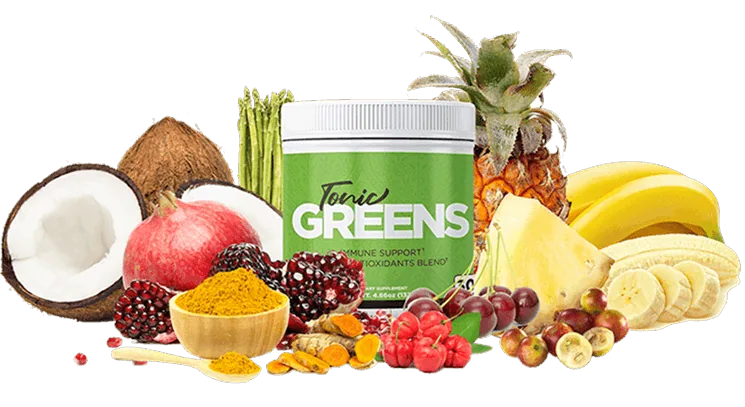
TonicGreens Review: Does This Greens Powder Really Support Immunity?
A daily greens-powder drink mix marketed for immune support, sold through the official website with a 60-day money-back guarantee.
Read the review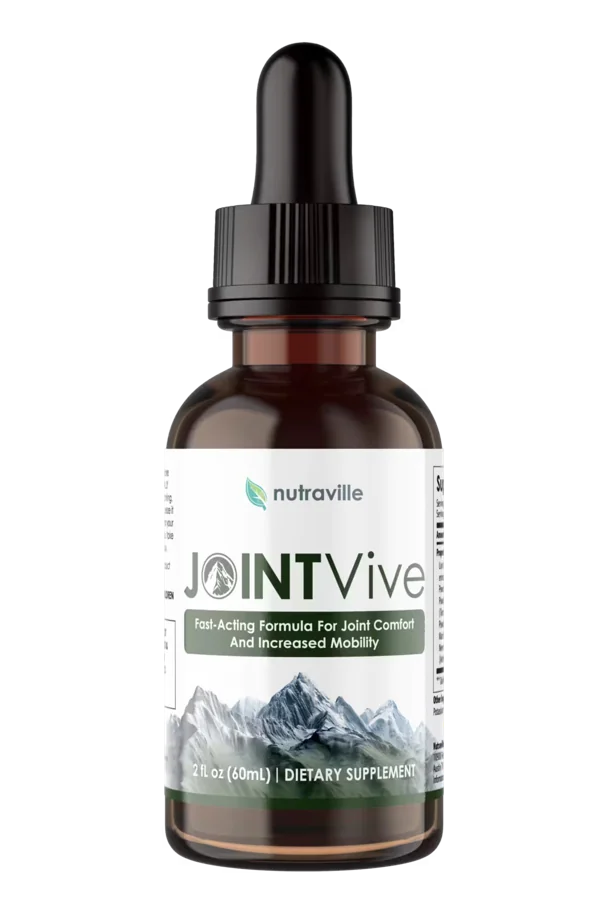
JointVive Review: Does It Really Support Joint Comfort?
A nine-ingredient plant and botanical supplement sold on the official website, marketed for joint comfort and mobility.
Read the review
NeuroPrime Review: Does It Really Support Healthy Memory?
A nine-ingredient plant-based memory-support supplement sold through the official website with a 365-day money-back guarantee.
Read the reviewFrequently Asked Questions About Spirulina
Does spirulina really work?
Research suggests it may modestly support blood pressure and some blood fat measures. However, the trials are small and mixed, and benefits for joints or the brain are not established in people.
Is spirulina safe?
It is generally well tolerated by healthy adults when it comes from a clean source. Contamination with heavy metals or toxins is the main risk, and some groups, such as pregnant women and people with autoimmune conditions, should check with a doctor first.
What are the side effects of spirulina?
Mild digestive upset such as nausea, gas, bloating and headache is the most commonly reported. Allergic reactions are rare but possible.
Can spirulina interact with medications?
Interactions are mostly theoretical. It may matter for people taking immunosuppressants, blood thinners, blood pressure medicines or diabetes drugs, so talk with a pharmacist or doctor.
Is spirulina the same as chlorella?
No. Both are algae sold as green supplements, but spirulina is a blue-green cyanobacterium and chlorella is a true green alga. They are often studied together but have different compositions.
Sources
- The Role of Chlorella and Spirulina as Adjuvants of Cardiovascular Risk Factor Control: A Systematic Review and Meta-Analysis of Randomised Controlled Trials
- Effects of spirulina supplementation alone or with exercise on cardiometabolic health in overweight and obese adults: a systematic review and meta-analysis
- Spirulina's impacts on cardiovascular health: Insights from a systematic meta-analysis of RCT — PubMed
- United States Pharmacopeia safety evaluation of spirulina — PubMed
- Spirulina — Examine
Last reviewed: