Wheatgrass and Apricot: Benefits, Research & Safety
Wheatgrass and apricot is a pairing found on some supplement labels. It combines young wheat seedlings, often sold as a green powder or juice, with apricot, usually dried fruit or fruit powder. People take it as a plant-based "greens" or fruit blend for general wellness. We found no human studies of the two ingredients combined, so the evidence has to be judged one ingredient at a time.
Wheatgrass and Apricot Ingredient Guide
Also known as: wheatgrass and apricot, wheat grass (Triticum aestivum) with apricot (Prunus armeniaca), wheatgrass juice powder with apricot fruit powder
- What it is
- Wheatgrass is the young shoot of the common wheat plant (Triticum aestivum), harvested before the grain forms. Apricot is the fruit of Prunus armeniaca, and some products use dried fruit or fruit powder.
- What it does
- Wheatgrass contains chlorophyll, vitamins and plant compounds such as flavonoids. These have shown antioxidant activity mostly in lab and animal work. Apricot fruit supplies fiber, carotenoids such as beta-carotene, and some vitamins. Any effect of the pair in people is unproven.
- How it is used
- People mix the powder into water or smoothies, take capsules, or drink fresh wheatgrass juice, often as a daily wellness habit. Apricot is usually a flavor and nutrient addition in blends.
- Natural sources and forms
- Wheatgrass comes as fresh juice, dried juice powder, whole-leaf powder, tablets and capsules. Apricot comes as dried fruit, fruit powder or extract. Apricot kernels (the seed inside the pit) are a different material that contains amygdalin and should not be confused with the fruit.
- Why it appears in formulas
- Makers add wheatgrass for its green, "superfood" image and apricot for taste, color and a fruit nutrient profile. The pairing is mainly a marketing and palatability choice rather than something backed by combined research.
- What to know before use
- Check that the apricot is fruit and not ground kernels, because raw apricot kernels can release cyanide. Wheatgrass is a wheat plant product, so people with celiac disease or wheat allergy should ask a clinician first.
What the Research Says
Overall: Limited evidence
No human trials of wheatgrass and apricot together were found, so any benefit of the combination is unproven.
For wheatgrass, reviews describe most research as laboratory or animal work. The few human studies are small. Authors of one review of the medical use of wheatgrass concluded that benefits seen in clinical trials need confirmation in larger studies before recommendations can be made. The best-known human study was a small placebo-controlled trial of wheatgrass juice in people with active distal ulcerative colitis. It reported lower disease activity scores over about a month, but it enrolled only 23 people. Little has followed it, so treat it as preliminary.
For apricot, dried or fresh fruit is a normal food with known fiber and carotenoid content. Evidence for specific supplement benefits from apricot fruit powder is thin. Apricot kernels are a separate matter. Claims that they help with cancer are not supported by controlled trials, and they carry a real poisoning risk.
Overall, this is a food-based blend. It may add some plant nutrients to a diet, but it should not be viewed as a proven way to treat or prevent any condition.
| Studied for | What the research says | Evidence |
|---|---|---|
| Ulcerative colitis symptoms (wheatgrass juice) | One small randomized, placebo-controlled trial of 23 people reported lower disease activity and rectal bleeding scores after about a month of daily juice. It has not been confirmed in larger studies. | Early evidence |
| Antioxidant activity (wheatgrass) | Lab and animal studies show antioxidant effects from wheatgrass compounds. Whether this translates into health outcomes in people is not established. | Early evidence |
| General nutrition (apricot fruit) | Apricot fruit provides fiber, vitamin A precursors and other nutrients as part of a normal diet. Supplement-specific benefits of apricot powder have not been well studied. | Limited evidence |
| Apricot kernels and cancer claims | No controlled trials show that amygdalin or laetrile from apricot kernels treats cancer, and poisoning from cyanide has been reported. Health agencies advise against using them this way. | Limited evidence |
Did you know? Apricot fruit versus apricot kernel
The soft fruit of the apricot and the seed inside its pit are very different. The kernel contains amygdalin, the compound behind "vitamin B17" or laetrile claims, and it is not a vitamin. Controlled trials have not shown that it treats cancer.
Amounts Used in Studies
These are amounts researchers used, not dosing advice. Ask your doctor or pharmacist what is right for you.
| Form | Amount | Study context |
|---|---|---|
| Fresh wheatgrass juice | About 100 mL (roughly 100 cc) per day | One-month trial in people with active distal ulcerative colitis, under medical supervision |
Safety, Side Effects and Interactions
Wheatgrass juice is generally believed to be well tolerated, but comprehensive safety studies have not been done. Reported side effects are usually mild and include nausea, headache and diarrhea, especially with juice. Raw wheatgrass can carry bacteria, so hygiene and product quality matter. Safe amounts have not been established for pregnant or breastfeeding women, young children, or people with severe liver or kidney disease.
Because wheatgrass comes from wheat, people with wheat allergy or celiac disease should check with a clinician and look for products tested for gluten. Allergic reactions have been reported with wheat products.
Apricot fruit is safe for most people as food. Apricot kernels are the main concern. They contain amygdalin, which the body can convert to cyanide. European food safety reviewers have noted acute cyanide toxicity in adults after eating about 20 or more kernels, and that in children as few as five may be toxic. Symptoms can include headache, dizziness, nausea and vomiting. Dried apricots may also contain added sulfites, which can trigger reactions in sulfite-sensitive people. Supplements are not reviewed by the FDA for safety or effectiveness before sale, so quality varies.
Possible interactions
- Taking high-dose vitamin C together with amygdalin from apricot kernels may raise cyanide-related risk.
- Wheatgrass contains vitamin K, so people on warfarin or similar blood thinners should ask a clinician before using it regularly.
- People taking medicines for chronic conditions or managing blood sugar should check with a clinician, since interactions with greens blends have not been well studied.
- Sulfites in some dried apricot products may affect people with sulfite-sensitive asthma.
Avoid it or ask a doctor first if
- You have celiac disease or a wheat allergy, unless a clinician approves
- The product contains ground apricot kernels or seeds
- You are pregnant or breastfeeding
- You are giving it to young children
- You have severe liver or kidney disease
- You take blood thinners such as warfarin
- You have a weakened immune system and would use raw wheatgrass juice
Supplements We've Reviewed That Contain Wheatgrass and Apricot
Each review checks the full formula, price, refund policy and side effects.
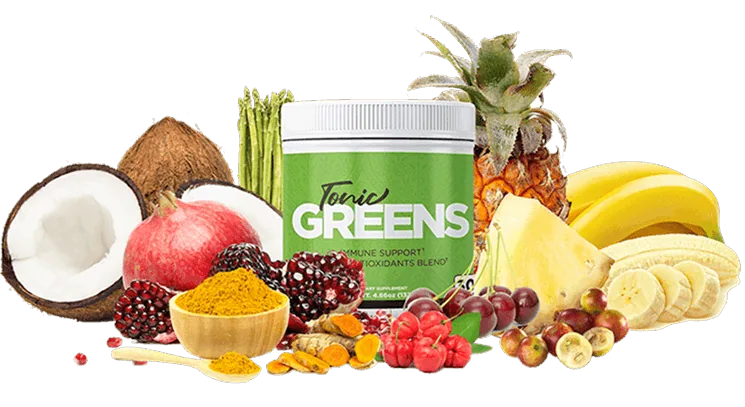
TonicGreens Review: Does This Greens Powder Really Support Immunity?
A daily greens-powder drink mix marketed for immune support, sold through the official website with a 60-day money-back guarantee.
Read the reviewFrequently Asked Questions About Wheatgrass and Apricot
Does wheatgrass and apricot really work?
There are no human studies of the two together, so we cannot say. Wheatgrass has only small early human studies, and apricot fruit is mainly a food source of fiber and carotenoids. It is best seen as a nutrient-adding food blend, not a proven remedy.
Is wheatgrass and apricot safe?
Most people tolerate wheatgrass and apricot fruit, with mild stomach upset being the most common complaint. Raw apricot kernels are not safe in larger amounts because they can release cyanide. People with celiac disease, wheat allergy or on blood thinners should ask a clinician first.
Is wheatgrass gluten-free?
Wheatgrass is harvested before the grain forms, and the young leaves are often described as low in gluten. Contamination with seed or grain can occur, and products vary. People with celiac disease should only use products tested and labeled gluten-free, and check with their clinician.
Are apricot seeds in these supplements?
They should not be. Apricot fruit powder is different from ground kernels, and kernels carry a cyanide risk. Read the ingredient list for words like kernel, seed, amygdalin or B17, and avoid products that include them.
What amount of wheatgrass and apricot is used in studies?
No studies exist for the combination. The one small wheatgrass trial used about 100 mL of fresh juice daily for a month, in a supervised setting. That is not a recommendation, and amounts on product labels vary widely.
Sources
- The Medical Use of Wheatgrass: Review of the Gap Between Basic and Clinical Applications — PubMed
- Wheat grass juice in the treatment of active distal ulcerative colitis — PubMed
- Wheatgrass Juices: Therapeutic Uses — EBSCO Research Starters
- Can apricot seeds treat cancer? — Healthline
- Amygdalin — Dana-Farber Cancer Institute blog
Last reviewed: