Chlorella: Benefits, Research & Safety
Chlorella is a single-celled, freshwater green alga sold as tablets, capsules and powder. People take it as a nutrient-dense "green food" and for possible effects on cholesterol, blood pressure and general wellness. Human research exists, but most trials are small and the results are mixed.
Chlorella Ingredient Guide
Also known as: Chlorella vulgaris, Chlorella pyrenoidosa, Parachlorella beijerinckii, green microalgae, chlorella algae
- What it is
- Chlorella is a group of single-celled green algae. It is grown in tanks or ponds and then dried into powder, tablets or capsules.
- What it does
- It supplies protein, chlorophyll, carotenoids such as lutein, and some vitamins and minerals. Researchers think these compounds may influence blood lipids, antioxidant status and immune signaling, but the mechanisms are not well proven in people.
- How it is used
- It is usually taken daily as tablets, capsules or powder mixed into drinks and smoothies. Trials have mostly run from a few weeks to a few months.
- Natural sources and forms
- Commercial products mainly use C. vulgaris or C. pyrenoidosa. Its tough cell wall is often broken ("cracked") so nutrients can be digested. Hot-water extracts also exist, and content varies by product because it is not tightly standardized.
- Why it appears in formulas
- Makers add it as a green, plant-based source of nutrients and antioxidants. It also fits "greens" and general-wellness positioning.
- What to know before use
- Chlorella contains vitamin K and may interfere with warfarin. People with algae, mold or iodine sensitivities, or with immune conditions, should ask a clinician first.
What the Research Says
Overall: Limited evidence
Human research on chlorella is real but modest. A widely cited 2017-2018 meta-analysis of 19 randomized trials (797 participants) found small reductions in total cholesterol, LDL cholesterol and blood pressure, with larger effects in people who already had risk factors. A more recent systematic review in the journal Nutrients (2025) looked at 12 chlorella trials and concluded the effect on blood pressure and blood lipids was neutral. The two reviews therefore disagree.
Other areas, such as immune markers, blood sugar, fatty liver markers, anemia in pregnancy, mercury excretion and mood, rest on small studies. Many of these were short, some were open-label, and some had no placebo group. Products, species and amounts differed from trial to trial, which makes results hard to compare.
Overall, chlorella may offer modest effects on some cardiovascular risk markers, but the evidence is not strong enough to say it treats or prevents any condition. Larger, well-controlled trials are needed.
| Studied for | What the research says | Evidence |
|---|---|---|
| Cholesterol | A 2017-2018 meta-analysis reported lower total and LDL cholesterol, but a 2025 review found a neutral effect. Trials are small and results are inconsistent. | Limited evidence |
| Blood pressure | Changes were small in earlier pooled analyses (a few mmHg systolic) and not significant in a newer review. Effects look larger in people with existing risk factors. | Limited evidence |
| Immune markers | Small human studies reported higher salivary IgA and natural killer cell activity. Whether this means fewer infections has not been shown. | Early evidence |
| Blood sugar and liver markers | Small trials in borderline-diabetic adults and people with fatty liver reported changes in some markers, though findings were mixed and trials were short. | Early evidence |
| Mercury and 'detox' claims | One open-label study reported lower hair and blood mercury, but there is no good evidence that chlorella detoxifies the body in general. | Early evidence |
Did you know? A tough cell wall matters
Chlorella has a rigid cell wall that people cannot easily digest, so most supplements use "cracked" or broken-cell-wall forms. Without this processing, many of its nutrients would pass through largely unabsorbed.
Amounts Used in Studies
These are amounts researchers used, not dosing advice. Ask your doctor or pharmacist what is right for you.
| Form | Amount | Study context |
|---|---|---|
| Chlorella vulgaris tablets or powder | About 5 g/day | Four-week cholesterol trials in adults |
| Chlorella tablets or powder (various species) | About 6-9 g/day | Studies of arterial stiffness, anemia in pregnancy, vegan B12 markers and mercury, lasting 4 weeks to 3 months |
| Chlorella (smaller amounts) | 1.2-1.8 g/day | Eight-week fatty liver and six-week mood trials |
Safety, Side Effects and Interactions
Chlorella is generally considered possibly safe for most adults when taken by mouth for short periods, with some sources citing up to about two months. Long-term safety data are limited.
The most common side effects are digestive: nausea, gas, stomach cramping, diarrhea and green-colored stools. Some people report sun sensitivity or allergic reactions, including rashes and breathing symptoms, especially those who are allergic to algae or molds.
Because chlorella is not tightly regulated, content can vary between products. Contamination with heavy metals or other microalgae toxins is a general concern for algae supplements, so quality and third-party testing matter. Safety in pregnancy, breastfeeding and children is not well established, so it is usually advised to avoid it in these groups unless a clinician says otherwise.
Possible interactions
- Warfarin and other blood thinners: chlorella contains vitamin K, which may reduce the effect of warfarin, so INR monitoring is advised.
- Immunosuppressant drugs: chlorella may stimulate immune activity, which could in theory work against these medicines.
- Medicines for cholesterol, blood pressure or blood sugar: possible additive effects have been suggested, so tell your prescriber.
- Photosensitizing drugs: chlorella may increase sun sensitivity in some people.
Avoid it or ask a doctor first if
- Taking warfarin or other anticoagulants (ask a doctor first)
- Allergic to algae, mold or related products
- Pregnant or breastfeeding
- Giving it to children without medical advice
- Taking immunosuppressants or having an autoimmune condition
- Has thyroid disease or iodine sensitivity (ask a doctor first)
Supplements We've Reviewed That Contain Chlorella
Each review checks the full formula, price, refund policy and side effects.

Pineal Guardian X Review: Does It Really Support Healthy Memory?
A multi-herb dropper formula sold on the official website that claims to flush fluoride from the pineal gland and restore melatonin, with no independent clinical evidence for the product itself.
Read the review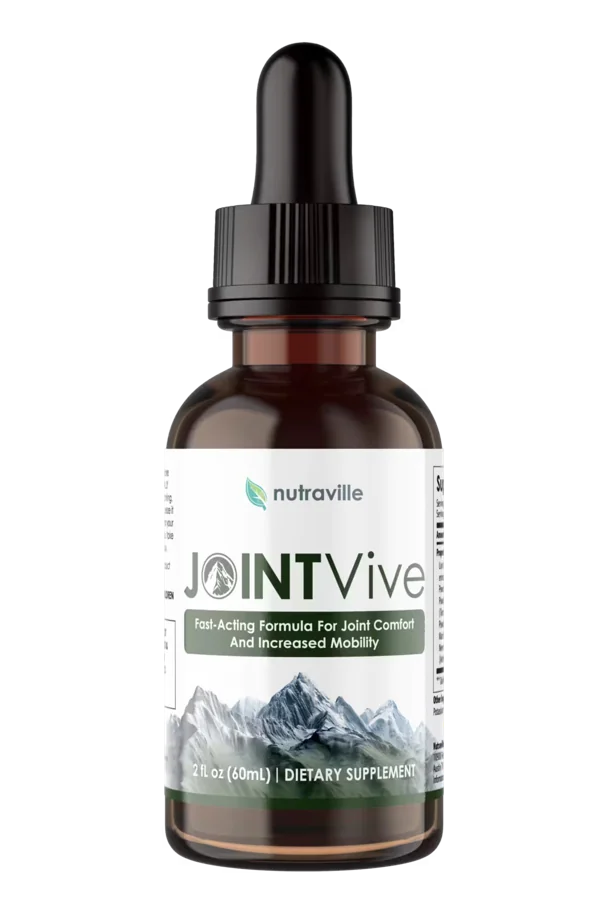
JointVive Review: Does It Really Support Joint Comfort?
A nine-ingredient plant and botanical supplement sold on the official website, marketed for joint comfort and mobility.
Read the review
NeuroPrime Review: Does It Really Support Healthy Memory?
A nine-ingredient plant-based memory-support supplement sold through the official website with a 365-day money-back guarantee.
Read the reviewFrequently Asked Questions About Chlorella
Does chlorella really work?
Research suggests chlorella may modestly affect some cholesterol and blood pressure markers, but newer reviews found neutral results. Most trials are small and short. It should not be seen as a treatment for any condition.
Is chlorella safe?
It is generally tolerated for short-term use in healthy adults, with digestive upset the most common complaint. It can interact with warfarin and may cause allergic reactions in some people. Pregnant or breastfeeding women and people on medication should check with a clinician first.
Can chlorella detox the body?
Marketing often claims this, but evidence is thin. One small open-label study reported lower mercury levels, and no strong human data show general detoxification.
Why does chlorella turn stools green?
Chlorella is rich in chlorophyll, which can darken or green the stool. This is common and usually harmless, though it can come with gas or cramping.
What is the difference between chlorella and spirulina?
Both are algae supplements, but chlorella is a green microalga with a hard cell wall, while spirulina is a blue-green cyanobacterium. A 2025 review found that spirulina, but not chlorella, was linked to lower diastolic blood pressure.
Sources
- Potential of Chlorella as a Dietary Supplement to Promote Human Health — PubMed Central (NIH)
- The Role of Chlorella and Spirulina as Adjuvants of Cardiovascular Risk Factor Control: A Systematic Review and Meta-Analysis of Randomised Controlled Trials — PubMed Central (NIH)
- Chlorella supplementation 'more effective in unhealthy subjects,' researchers say — NutraIngredients-USA
- Chlorella uses and risks — WebMD
- Chlorella — RxList
Last reviewed: