Nettle Root: Benefits, Research & Safety
Nettle root comes from the underground part of the stinging nettle plant (Urtica dioica). It is mostly taken by men who want to support prostate and urinary comfort as they age. Human research is limited and mixed, and it differs from research on nettle leaf.
Nettle Root Ingredient Guide
Also known as: Stinging nettle root, Urtica dioica root, Common nettle root, Nettle root extract
- What it is
- Nettle root is the root and rhizome of Urtica dioica, a perennial plant long used in European herbal traditions. It is a different part of the plant from the leaf, and the two are used for different purposes.
- What it does
- Lab studies suggest root compounds may interact with sex hormone-binding proteins and influence prostate cell growth signals. Researchers are still working out how, or whether, this translates into effects in people.
- How it is used
- It is usually taken by mouth as a capsule, tablet or liquid extract, often for urinary symptoms linked to an enlarged prostate. It is also commonly paired with saw palmetto or pumpkin seed.
- Natural sources and forms
- Products use dried root powder or water, alcohol or methanol extracts, and the extract type differs between studies. Standardization is not consistent across products, so the strength can vary a lot.
- Why it appears in formulas
- Makers add it to men's prostate and urinary health blends because of its traditional use and the clinical studies on prostate symptoms. It is often combined with saw palmetto or beta-sitosterol.
- What to know before use
- Urinary symptoms in men can signal conditions that need a medical evaluation, including prostate cancer. See a doctor before trying nettle root, and do not use it in place of care.
What the Research Says
Overall: Limited evidence
Most human research on nettle root looks at lower urinary tract symptoms linked to benign prostatic hyperplasia (BPH), an enlarged prostate. Several randomized trials, many from Europe, tested root extracts over weeks to months, and some paired nettle with saw palmetto.
A meta-analysis of randomized trials reported symptom improvement compared with placebo or control, with PSA levels unchanged. A more recent systematic review also reported modest improvements in symptom scores at follow-ups up to 12 months. It still said more and better-quality studies are needed.
Older reviews were more skeptical. One review of herbal products for BPH found no convincing evidence for nettle alone, and the studies it covered had poor reporting. Problems across the research include small samples, short durations, different extract types, and nettle being tested in combination products, which makes its own effect hard to separate out.
Overall, the evidence suggests a possible modest symptom benefit, but it is not strong enough to call settled. Little reliable human research supports other marketing claims such as hair growth or hormone balance.
| Studied for | What the research says | Evidence |
|---|---|---|
| Urinary symptoms linked to BPH | Some meta-analyses of randomized trials found improved symptom scores compared with placebo or control. Study quality varied and an older review found no convincing evidence. | Limited evidence |
| Prostate size and PSA | Reviews report PSA levels were not meaningfully changed. Evidence that nettle shrinks the prostate is weak. | Early evidence |
| Combination with saw palmetto | Some trials tested nettle root with saw palmetto or other herbs. These designs cannot show what nettle contributes on its own. | Limited evidence |
| Hormone-related effects | Laboratory work suggests effects on hormone-binding proteins and prostate cells. Human data confirming a benefit are lacking. | Early evidence |
Did you know? Root and leaf are not interchangeable
Nettle root and nettle leaf are used for different purposes. Root has mainly been studied for prostate-related urinary symptoms, while leaf is more often used in teas and studied for allergy and joint complaints. A label that says only "nettle" may not tell you which part is in the product.
Amounts Used in Studies
These are amounts researchers used, not dosing advice. Ask your doctor or pharmacist what is right for you.
| Form | Amount | Study context |
|---|---|---|
| Root extract (varies by product and extraction solvent) | Roughly 300 to 600 mg per day in many trials | Studies in men with BPH symptoms, lasting weeks to about a year; amounts vary between trials |
| Combination with saw palmetto | Varies by formula | Trials of combined herbal products in men with urinary symptoms |
Safety, Side Effects and Interactions
Nettle root appears to be generally well tolerated in the trials reviewed, and side effects were usually mild. The most reported were stomach upset, including nausea or diarrhea. Others were sweating, fluid retention and allergic skin reactions. Handling fresh nettle plants can cause a stinging rash, but dried extracts do not.
Because supplements are not tested like drugs, product strength and purity can vary. Long-term safety data are limited, with most trials lasting a year or less. Nettle may lower blood pressure and blood sugar and may have a mild diuretic effect, so people with heart, kidney or diabetes conditions should talk to a clinician first.
Some sources rate nettle as possibly unsafe in pregnancy, and there is too little information on use while breastfeeding or in children. Symptom relief could also delay diagnosis of a serious prostate problem, so ongoing medical follow-up matters. Stop use and seek medical care for signs of an allergic reaction, such as hives, swelling or trouble breathing.
Possible interactions
- Blood pressure medicines: nettle may lower blood pressure and add to their effect.
- Diabetes medicines: nettle may lower blood sugar, which could raise the risk of low blood sugar.
- Diuretics (water pills): nettle may add to their effect.
- Lithium: nettle's diuretic effect may change how the body clears lithium, so a clinician should monitor levels.
- Warfarin: nettle contains vitamin K (mainly in the leaf), which may affect blood thinner response.
- Prostate medicines such as finasteride or alpha-blockers: ask a clinician before combining, because the effects are not well studied together.
Avoid it or ask a doctor first if
- Pregnant or breastfeeding
- Taking lithium, warfarin, diabetes drugs or blood pressure drugs without medical advice
- Have kidney disease or heart failure
- Allergic to nettle or related plants
- Have unexplained urinary symptoms or a prostate cancer concern
- Scheduled for surgery soon (ask your doctor)
Supplements We've Reviewed That Contain Nettle Root
Each review checks the full formula, price, refund policy and side effects.
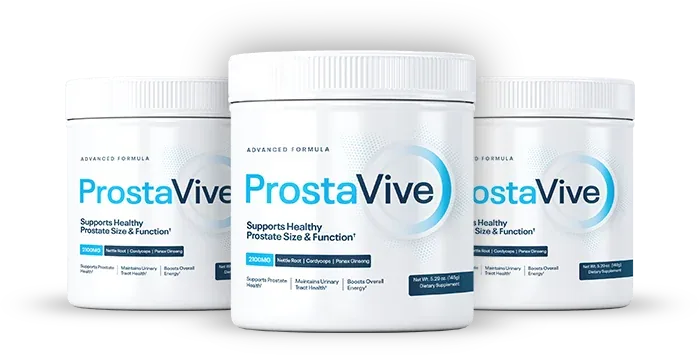
ProstaVive Review: Is It Legit or Just Hype for Prostate Support?
Men's prostate-support supplement sold on the official website with bulk-pack pricing and a 180-day refund claim; its health claims go well beyond the evidence shown on the page.
Read the reviewFrequently Asked Questions About Nettle Root
Does nettle root really work?
Some trials and meta-analyses found modest improvements in urinary symptom scores in men with an enlarged prostate. However, studies are small, vary in quality, and often use combination products. Research suggests possible benefit but is not conclusive.
Is nettle root safe?
It was generally well tolerated in studies lasting up to about a year, with mostly mild stomach upset. It can interact with some medicines and is not advised in pregnancy. Talk to a healthcare professional before using it.
Does nettle root lower PSA or shrink the prostate?
Reviews report that PSA was not meaningfully changed. Evidence for reducing prostate size is weak. Because PSA is used for screening, tell your doctor if you take it.
Can I take nettle root with saw palmetto?
The two are often sold together and some trials tested them in combination. Because of that, it is unclear what nettle adds. Check with a clinician, especially if you take prostate medicines.
How is nettle root different from nettle leaf?
The two parts of the plant contain different compounds and are used differently. Root has been studied for prostate-related urinary symptoms, while leaf is used in teas and studied for other uses. Check the label for which part is used.
Sources
- The efficacy and safety of Urtica dioica in treating benign prostatic hyperplasia: a systematic review and meta-analysis — African Journal of Traditional, Complementary and Alternative Medicines
- Phytotherapy for benign prostatic hyperplasia — PubMed
- Assessment report on Urtica dioica L., Urtica urens L., herba — European Medicines Agency
- Nettle drug interactions — RxList
Last reviewed: