Mulberry: Benefits, Research & Safety
Mulberry is a tree grown in Asia and elsewhere. Its leaves, fruit and root bark have a long history of use in traditional medicine and as food. Supplements, mostly made from the leaf, are sold to support healthy blood sugar and weight management. Human research is still limited.
Mulberry Ingredient Guide
Also known as: White mulberry, Morus alba, Mulberry leaf, Sang ye (Chinese name), Black mulberry (Morus nigra, a related species)
- What it is
- Mulberry is the common name for trees in the Morus genus. White mulberry (Morus alba) is the species used most often in supplements. Its leaves are also brewed as tea and its berries eaten fresh or dried.
- What it does
- The leaf contains 1-deoxynojirimycin (DNJ), a compound that blocks enzymes (alpha-glucosidases) that break down carbohydrates in the gut. This may slow sugar absorption after a meal. The leaf also contains polyphenols and flavonoids that have antioxidant activity in lab studies.
- How it is used
- People take mulberry leaf as capsules, powders, extracts or teas, often with meals. It is mainly used for blood sugar support and weight management.
- Natural sources and forms
- Products use the leaf (the most studied part), the fruit or the root bark. Leaf extracts may be aqueous (water-based) or standardized to DNJ content, and DNJ levels vary a lot between products. Berry products are a different material from leaf extracts.
- Why it appears in formulas
- Makers add mulberry, usually the leaf, for its possible effect on blood sugar after carbohydrate-containing meals. It also appears in some formulas as a plant antioxidant or for general wellness positioning.
- What to know before use
- Mulberry leaf may lower blood sugar. If you take diabetes medicine, talk to your clinician first and monitor your levels.
What the Research Says
Overall: Limited evidence
Most human research on mulberry looks at the leaf and its effect on blood sugar. Several small randomized trials, many from Asia, found that leaf extract lowered blood sugar rises after a carbohydrate load. Trials used different extracts, different DNJ content and different lengths of time, so results are hard to compare.
Recent meta-analyses of randomized trials suggest a modest, short-term reduction in blood sugar 30 to 60 minutes after eating. Results for fasting glucose, HbA1c (a three-month blood sugar marker) and blood lipids are less consistent. Some analyses found improvements and others did not.
The National Center for Complementary and Integrative Health (NCCIH) describes the research as limited and mostly preliminary. Some studies suggest the leaf lowers elevated blood glucose, and others found no effect.
Evidence for other uses, such as weight control, cholesterol, inflammation or antioxidant effects, comes mainly from animal and test-tube studies. Human data for those uses are sparse. Studies of mulberry fruit and root bark are even less developed. Some trials tested blends of several ingredients, so the effect cannot be credited to mulberry alone.
| Studied for | What the research says | Evidence |
|---|---|---|
| Blood sugar after meals | Small randomized trials and meta-analyses suggest leaf extract may modestly lower blood sugar shortly after a carbohydrate-containing meal. Products and study designs differ widely. | Moderate evidence |
| Long-term blood sugar (HbA1c, fasting glucose) | Results are mixed. Some pooled analyses show small improvements in HbA1c, while others found no significant change in fasting glucose. | Limited evidence |
| Blood lipids and weight | Evidence comes mostly from animal studies, and human trials show inconsistent or non-significant effects on cholesterol and body weight. | Early evidence |
| Antioxidant activity | Leaves and berries contain polyphenols with antioxidant activity in lab studies. NCCIH notes that therapeutic benefits have not been established. | Early evidence |
Did you know? A tree known for silkworms
White mulberry leaves are the traditional food of silkworms, so the tree has been farmed in Asia for thousands of years. Its leaves have also been used in teas and traditional Chinese medicine, where the leaf is called sang ye.
Amounts Used in Studies
These are amounts researchers used, not dosing advice. Ask your doctor or pharmacist what is right for you.
| Form | Amount | Study context |
|---|---|---|
| Aqueous leaf extract | About 5 g/day | 4-week randomized trial in adults with impaired fasting glucose |
| DNJ-enriched leaf extract | Varies by product; the dose is set by DNJ content | Single-dose and 12-week studies in people with impaired glucose metabolism |
Safety, Side Effects and Interactions
In studies lasting up to 12 weeks, mulberry leaf did not cause serious harm, according to NCCIH. The most common side effects are digestive: bloating, gas, constipation or loose stools. These fit with how the leaf slows carbohydrate digestion.
The main safety concern is low blood sugar, particularly when mulberry is taken with diabetes medicines. Anyone who uses it while managing blood sugar should check levels as their clinician advises.
It is not known whether the leaf is safe in pregnancy or while breastfeeding. NCCIH also says there is not enough reliable information on the safety of the berries as a supplement. Allergic reactions are possible, as with any plant product.
Supplements are not approved by the FDA before sale. Content and DNJ levels vary between products, and long-term safety data are limited. Stop use and seek medical advice if you notice unusual symptoms. If you have surgery planned, tell your care team about any supplements you use, because blood sugar control matters around procedures.
Possible interactions
- Diabetes medicines (insulin, metformin, sulfonylureas and others): mulberry leaf may add to their blood-sugar-lowering effect and raise the risk of low blood sugar.
- Other supplements that may lower blood sugar (such as chromium or berberine) could have an additive effect.
- Carbohydrate-blocking products (alpha-glucosidase inhibitors such as acarbose) work in a similar way, so combining them may increase stomach side effects.
- Black mulberry (a different species) has been flagged in some references for possible effects on liver-metabolized drugs. This is not well established for white mulberry.
Avoid it or ask a doctor first if
- You take insulin or other diabetes medicine, unless your clinician agrees and monitors you
- Pregnant or breastfeeding (safety not established)
- You are scheduled for surgery soon
- You have a history of low blood sugar
- You have a known allergy to mulberry or related plants
- Giving it to children without medical advice
Supplements We've Reviewed That Contain Mulberry
Each review checks the full formula, price, refund policy and side effects.
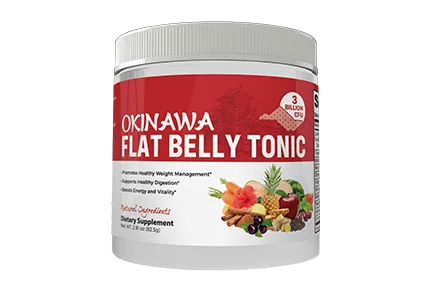
Okinawa Flat Belly Tonic Review: Does It Really Work for Weight Loss?
A daily powdered weight-loss supplement sold only through the official website, with a 90-day money-back guarantee stated on the sales page.
Read the review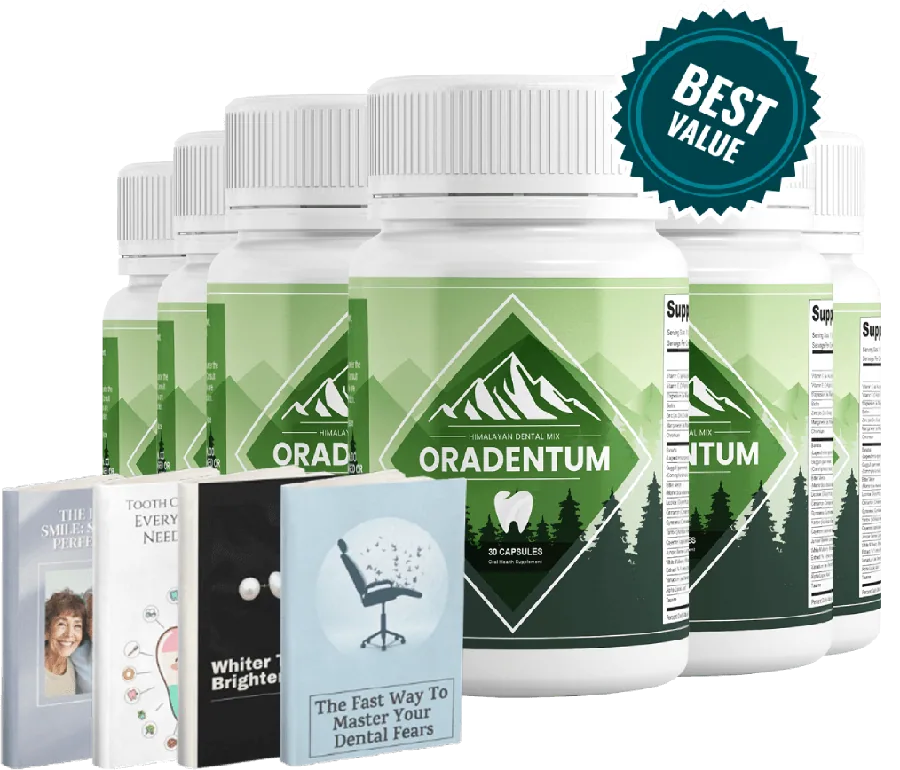
Oradentum Review: Does This Oral Health Supplement Really Work?
A 21-ingredient oral-health supplement sold only through the official website, with a 60-day money-back guarantee.
Read the reviewFrequently Asked Questions About Mulberry
Does mulberry really work?
Research suggests mulberry leaf extract may modestly lower blood sugar rises after meals in the short term. Trials are small and varied, and results for long-term blood sugar markers are mixed. It is not a replacement for medical care.
Is mulberry safe?
Mulberry leaf appeared well tolerated in studies of up to 12 weeks, with digestive upset the most common complaint. It may lower blood sugar, so people on diabetes medicine should talk to a clinician first. Safety in pregnancy and breastfeeding is unknown.
Is mulberry leaf the same as mulberry fruit?
No. Most human research uses the leaf, which contains DNJ. The berries are a food with a different makeup, and NCCIH notes there is not enough reliable safety information on the berries as a supplement.
When do people take mulberry leaf extract?
In studies, extracts were typically given with or just before carbohydrate-containing meals, since the proposed effect is on carbohydrate digestion. Follow the product label and your clinician's advice.
Can mulberry help with weight loss?
Mulberry is marketed for weight management, but the support comes mainly from animal and lab studies. Human trials have not shown consistent effects on body weight.
Sources
- White Mulberry Leaf — NCCIH
- Mulberry leaf extract and postprandial glucose in impaired fasting glucose (J Med Food) — PubMed
- Effects of Different Morus alba L. Parts on Glycemic and Lipid Profiles: A Systematic Review and Meta-Analysis — Mahidol University repository
- White Mulberry — RxList
- White Mulberry — Drugs.com
Last reviewed: