Berberine: Benefits, Research & Safety
Berberine is a yellow plant alkaloid found in several herbs, such as goldenseal, barberry and Oregon grape. People take it mainly because it was studied for its effects on blood sugar and cholesterol markers. The research is promising but limited by study quality, and berberine interacts with a number of medicines.
Berberine Ingredient Guide
Also known as: Berberine HCl, Berberine hydrochloride, Berberis vulgaris (barberry) extract, Coptis chinensis (goldthread) extract
- What it is
- Berberine is a bitter, yellow compound (an isoquinoline alkaloid) found in the roots, stems and bark of plants such as goldenseal, barberry, Oregon grape and Chinese goldthread. It has a long history in traditional Chinese and Ayurvedic medicine.
- What it does
- In lab and animal studies, berberine activates an enzyme called AMPK, which helps regulate how cells use energy. It may also influence gut bacteria and how the liver handles fats and sugar. How much of this applies to people is not fully settled.
- How it is used
- It is taken by mouth as capsules or tablets, usually split into two or three doses with meals. People mostly use it to support healthy blood sugar and cholesterol levels already in a normal-to-elevated range.
- Natural sources and forms
- Supplements are typically extracted from barberry, goldenseal or goldthread and sold as berberine hydrochloride, often standardized to a stated percentage of berberine. Absorption from the gut is low, so some products add other ingredients or use special formulations.
- Why it appears in formulas
- Makers add berberine to blood sugar and metabolic-support formulas because it has more human trial data in this area than most herbal ingredients. It is often paired with other botanicals, minerals or chromium.
- What to know before use
- Berberine can change how other medicines are processed and can lower blood sugar, so talk to a doctor or pharmacist first if you take any prescription drugs. Do not use it in pregnancy, while breastfeeding, or in newborns.
What the Research Says
Overall: Moderate evidence
Berberine has a larger body of human research than most herbal supplements. A 2024 meta-analysis of 50 studies with about 4,150 participants found that berberine lowered fasting glucose, after-meal glucose, LDL cholesterol and triglycerides. When it was added to glucose-lowering drugs, HbA1c fell by about 0.69 percentage points. An earlier review of 46 type 2 diabetes trials reported a similar drop in HbA1c of about 0.73 points.
There are important limits. Many of the trials were small, short (often 1 to 3 months) and conducted mostly in China. Several reviews note the overall quality of the included studies was limited, and results varied between trials. Many participants were also taking standard medicines, so berberine's effect on its own is harder to separate out.
Most of the evidence concerns people with type 2 diabetes or related metabolic conditions. Evidence in healthy people is thin. Long-term safety and outcomes such as heart attacks have not been well studied. Findings for weight loss and fatty liver are early and less consistent.
| Studied for | What the research says | Evidence |
|---|---|---|
| Blood sugar | Meta-analyses of randomized trials in type 2 diabetes report lower fasting glucose, after-meal glucose and HbA1c with berberine, alone or added to usual treatment. Trial quality was limited. | Moderate evidence |
| Cholesterol and triglycerides | Reviews found reductions in LDL cholesterol and triglycerides in several trials. Results varied and most trials were short. | Moderate evidence |
| Fatty liver | A small meta-analysis of 6 trials (501 people) reported improved cholesterol and glucose markers in non-alcoholic fatty liver disease. The authors called for better trials. | Early evidence |
| Weight and body composition | Some trials report small changes in weight or waist size, but results are inconsistent and often come from studies in people with metabolic conditions. | Limited evidence |
Did you know? Not the same as a prescription
Berberine is often described online as nature's version of a diabetes drug, but it is not approved by the FDA to treat any condition. Its effects in trials were modest and it has not replaced standard care in any guideline.
Amounts Used in Studies
These are amounts researchers used, not dosing advice. Ask your doctor or pharmacist what is right for you.
| Form | Amount | Study context |
|---|---|---|
| Berberine (usually hydrochloride) | 0.9 to 1.5 g/day, split into doses | Most common range in trials of people with type 2 diabetes, typically lasting 1 to 3 months |
Safety, Side Effects and Interactions
In studies, berberine was generally tolerated over short periods. The most common side effects are digestive: diarrhea, constipation, gas, nausea, stomach cramps and abdominal discomfort. These tend to be more likely at higher amounts and may ease when it is taken with food.
Because berberine can lower blood sugar, people with diabetes who use it alongside medicines may be at risk of blood sugar going too low. It may also lower blood pressure.
MedlinePlus lists berberine as likely unsafe in pregnancy and breastfeeding because it can cross the placenta, and it should not be given to newborns because it may worsen jaundice and raise the risk of a type of brain damage called kernicterus. A published review found no link between berberine and liver enzyme elevations or clinically apparent liver injury, but long-term safety data are limited. Supplement quality varies, so products can differ from their labels.
Possible interactions
- Cyclosporine: berberine may raise its levels, and MedlinePlus advises not combining them.
- Diabetes medicines and insulin: berberine may add to blood sugar lowering and raise the risk of low blood sugar.
- Blood pressure medicines: berberine may lower blood pressure further.
- Drugs processed by liver CYP enzymes: berberine is a weak inhibitor of several, so levels of some medicines may change.
- Cannabidiol (CBD): may slow the body's clearance of berberine.
- Probiotics: berberine may reduce how well they work.
Avoid it or ask a doctor first if
- Pregnant or trying to become pregnant
- Breastfeeding
- Giving to newborns or infants
- Taking cyclosporine or other transplant medicines
- Taking diabetes medicines or insulin, unless a doctor supervises
- Taking blood pressure medicines or other prescription drugs, without asking a doctor or pharmacist
- Scheduled for surgery in the next two weeks (blood sugar effects)
Supplements We've Reviewed That Contain Berberine
Each review checks the full formula, price, refund policy and side effects.

Phytomem One Review: Is It Legit or Just Hype?
A 10-ingredient memory and brain-support supplement sold only through the official website, built around claims about microplastics and 'Type 3 Diabetes'.
Read the review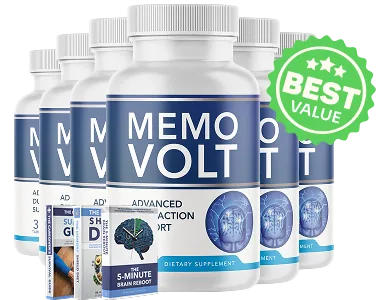
MemoVolt Review: Does It Really Support Healthy Memory?
A multi-ingredient brain and memory supplement sold on the official website, with bundles from 2 to 6 bottles and a 60-day money-back guarantee.
Read the review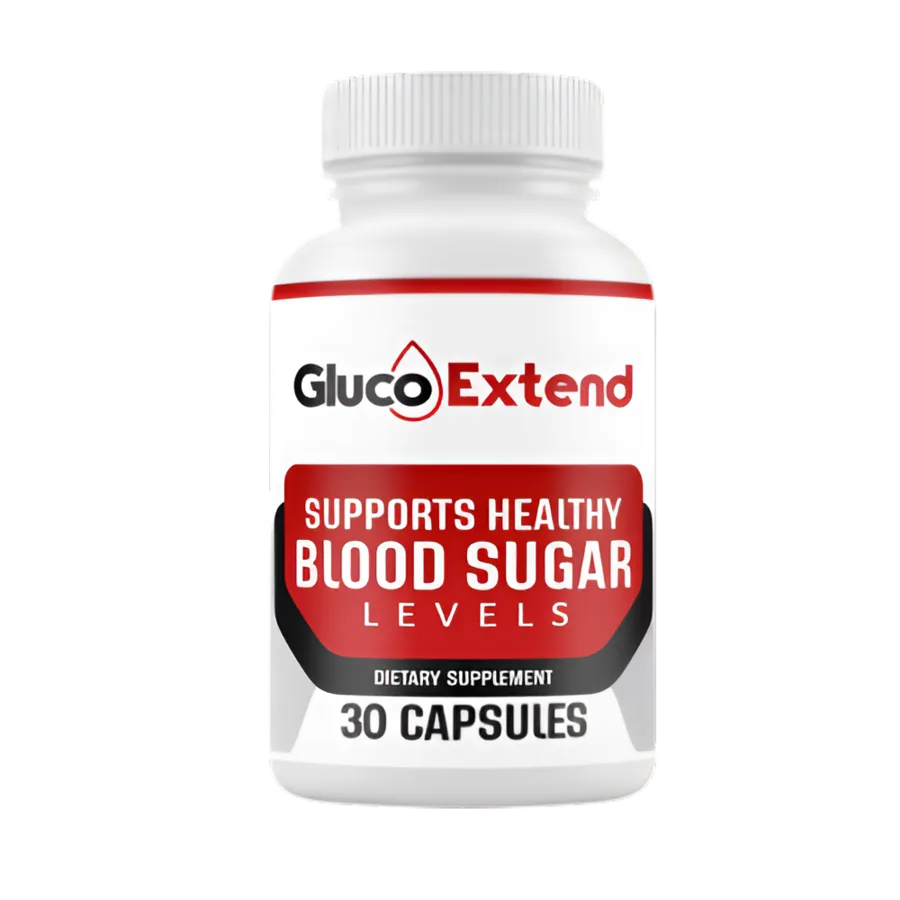
Gluco Extend Review: Does It Really Support Healthy Blood Sugar?
A blood sugar dietary supplement sold through the official website with a 90-day money-back guarantee; its 11+ ingredient claim is not fully itemized.
Read the reviewFrequently Asked Questions About Berberine
Does berberine really work?
Research suggests berberine may modestly lower blood sugar and LDL cholesterol markers in people with type 2 diabetes or related conditions. However, many trials were small, short and of limited quality, so confidence is moderate at best. It is not a replacement for medical care.
Is berberine safe?
For short-term use, berberine is usually tolerated, with digestive upset the most common complaint. It is not safe in pregnancy, breastfeeding or newborns, and it interacts with several medicines. Long-term safety is not well established.
Can berberine be taken with diabetes medicine?
Berberine can lower blood sugar, so combining it with diabetes drugs or insulin may raise the risk of low blood sugar. Anyone on these medicines should talk to their prescriber before using it, and should not change medicines on their own.
What are the common side effects of berberine?
The most reported side effects are diarrhea, constipation, gas, nausea and stomach cramps. They are often mild and may be less likely when it is taken with meals.
Is berberine the same as goldenseal?
No. Goldenseal is a plant that contains berberine along with other compounds. Berberine is one isolated compound that is also found in barberry, Oregon grape and goldthread. Goldenseal products therefore carry the same cautions as berberine and may carry others.
Sources
- Berberine — LiverTox, NCBI Bookshelf
- Effects of administering berberine alone or in combination on type 2 diabetes mellitus: a systematic review and meta-analysis — PMC
- The Effect of Berberine on Metabolic Profiles in Type 2 Diabetic Patients: A Systematic Review and Meta-Analysis of Randomized Controlled Trials — PMC
- The Therapeutic Effect of Berberine in the Treatment of Nonalcoholic Fatty Liver Disease: A Meta-Analysis — PMC
Last reviewed: