Banaba: Benefits, Research & Safety
Banaba is a tropical tree whose leaves have long been used as a traditional tea in parts of Southeast Asia and the Philippines. Leaf extracts are sold as supplements, mainly because people are interested in blood sugar and weight management. The human research is small and mostly short-term, so the evidence is limited.
Banaba Ingredient Guide
Also known as: Lagerstroemia speciosa, giant crape myrtle, queen's crape myrtle, pride of India, corosolic acid extract
- What it is
- Banaba is the leaf of Lagerstroemia speciosa, a flowering tree native to tropical Asia. The leaves contain corosolic acid, a plant compound, and ellagitannins.
- What it does
- Corosolic acid and ellagitannins are thought to affect how cells take up glucose and how the body handles sugar after meals. Most of this evidence comes from cell and animal studies, with a few small human trials.
- How it is used
- People take banaba as a capsule, tablet or leaf tea, usually in the hope of supporting healthy blood sugar levels. Traditional use is as a tea.
- Natural sources and forms
- Supplements use dried leaf powder or leaf extracts, and some are standardized to a stated percentage of corosolic acid (often around 1%). Content varies widely between products.
- Why it appears in formulas
- Makers add banaba to blood sugar, weight and metabolic formulas because of its corosolic acid content. It also appears in some broader formulas where it is marketed as supporting general metabolic wellness.
- What to know before use
- Banaba may lower blood sugar, so talk to a health care provider first if you have diabetes or take glucose-lowering medicines. Little is known about long-term use.
What the Research Says
Overall: Limited evidence
Research on banaba in humans is small, short and mostly older. A 2012 review of banaba and corosolic acid noted that glucose-lowering effects have been attributed to corosolic acid and ellagitannins. It also noted that studies have been done in animal models, in test tube systems and in a small number of people.
The human trials were small. One reported an average 13.5% drop in blood glucose in 24 people with mild type 2 diabetes. A small two-week study in people with type 2 diabetes used 32 or 48 mg per day of a 1% corosolic acid extract and reported lower blood glucose. Another study looked at post-challenge glucose levels after corosolic acid.
Several limits make these results hard to rely on. The trials were short, had few participants and often tested a single branded extract. Some dosing information comes from patent documents rather than independent trials. Products also vary in corosolic acid content. I did not find large, long-term, independent placebo-controlled trials. Claims about weight loss and other uses rest mostly on animal or test tube work.
| Studied for | What the research says | Evidence |
|---|---|---|
| Blood sugar | A few small, short human trials in people with mild type 2 diabetes reported lower blood glucose with standardized extracts. Larger, longer and independent trials are lacking. | Limited evidence |
| Post-meal glucose | A small study looked at corosolic acid and plasma glucose after a glucose challenge. The sample was small and the results need confirming. | Early evidence |
| Weight management | Weight claims come mainly from animal and test tube work and from marketing. Reliable human evidence is lacking. | Early evidence |
| Antioxidant activity | Ellagitannins and other leaf compounds show antioxidant activity in laboratory studies. This has not been shown to translate into health benefits in people. | Early evidence |
Did you know? A leaf tea turned supplement
Banaba leaves have been brewed as a traditional tea in the Philippines and elsewhere in Southeast Asia. Modern supplements focus on corosolic acid, which is sometimes called a "plant insulin" in marketing. That label overstates the evidence, since the human data are small.
Amounts Used in Studies
These are amounts researchers used, not dosing advice. Ask your doctor or pharmacist what is right for you.
| Form | Amount | Study context |
|---|---|---|
| Extract standardized to about 1% corosolic acid | 32 to 48 mg per day of extract | Two-week studies in small groups of people with type 2 diabetes |
| Leaf extract (various) | Varies by product and study | Other small trials used different extracts and durations, so amounts are not directly comparable |
Safety, Side Effects and Interactions
In the 2012 review, no adverse effects were reported in animal studies or controlled human trials. That is reassuring, but the trials were small and short, so rare or long-term effects may not have been detected.
The main practical concern is low blood sugar (hypoglycemia). Banaba may add to the effect of diabetes medicines and other glucose-lowering supplements. Signs of low blood sugar include shakiness, sweating, dizziness, confusion and fast heartbeat.
There is also a theoretical kidney concern. The review raised the possibility that corosolic acid could impair the metabolism of the NSAID diclofenac, which could worsen that drug's known kidney toxicity. This is theoretical and has not been shown in people.
Products vary in content and quality, and supplements are not reviewed by the FDA for effectiveness before sale. Not enough is known about safety in pregnancy, breastfeeding or children. Stop use and seek medical advice if you notice unusual symptoms.
Possible interactions
- Diabetes medicines (such as insulin, metformin or sulfonylureas) may combine with banaba to lower blood sugar too far.
- Other blood sugar-lowering supplements (such as chromium, berberine or bitter melon) may add to the effect.
- Diclofenac and possibly other NSAIDs: a theoretical concern about kidney effects has been raised.
- Banaba may affect blood sugar control around surgery, so tell your surgical team about it.
Avoid it or ask a doctor first if
- You have diabetes or take glucose-lowering drugs, unless your provider approves
- You have a history of low blood sugar
- You have kidney disease or take NSAIDs regularly
- You are pregnant or breastfeeding
- You have surgery scheduled in the next two weeks
- You are giving it to a child
Supplements We've Reviewed That Contain Banaba
Each review checks the full formula, price, refund policy and side effects.
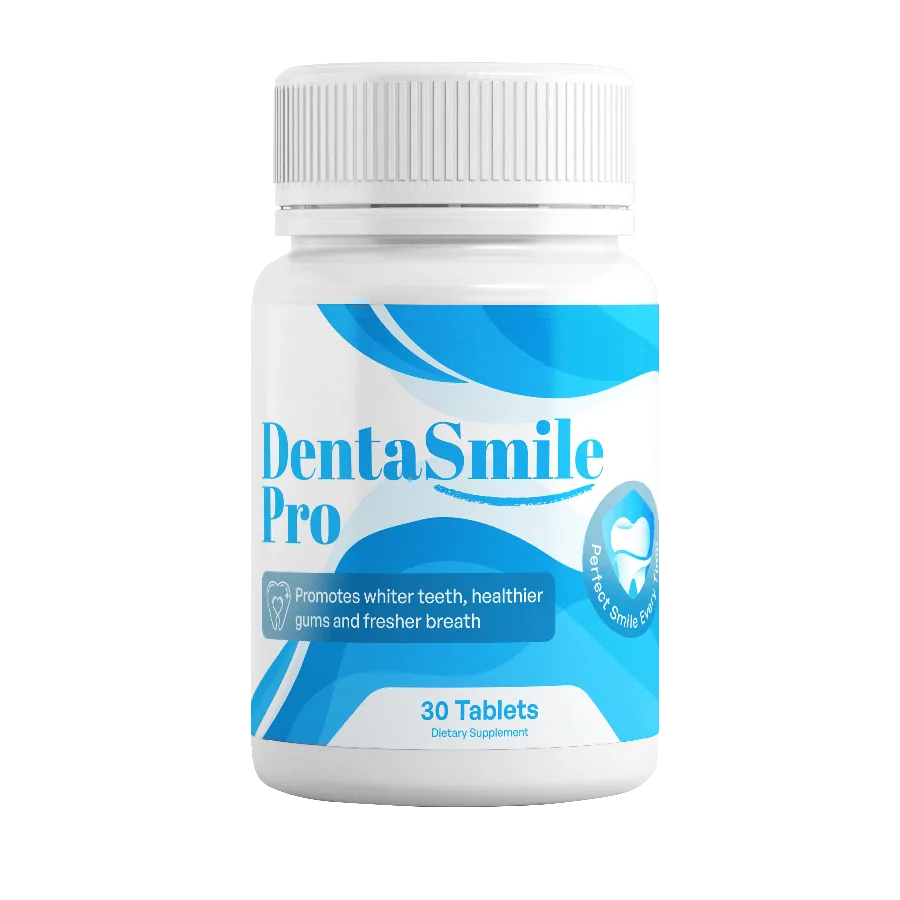
DentaSmile Pro Review: Does It Really Support Healthy Teeth and Gums?
Oral-health formula with 8 ingredients, sold only on the official website, with a stated 60-day refund.
Read the review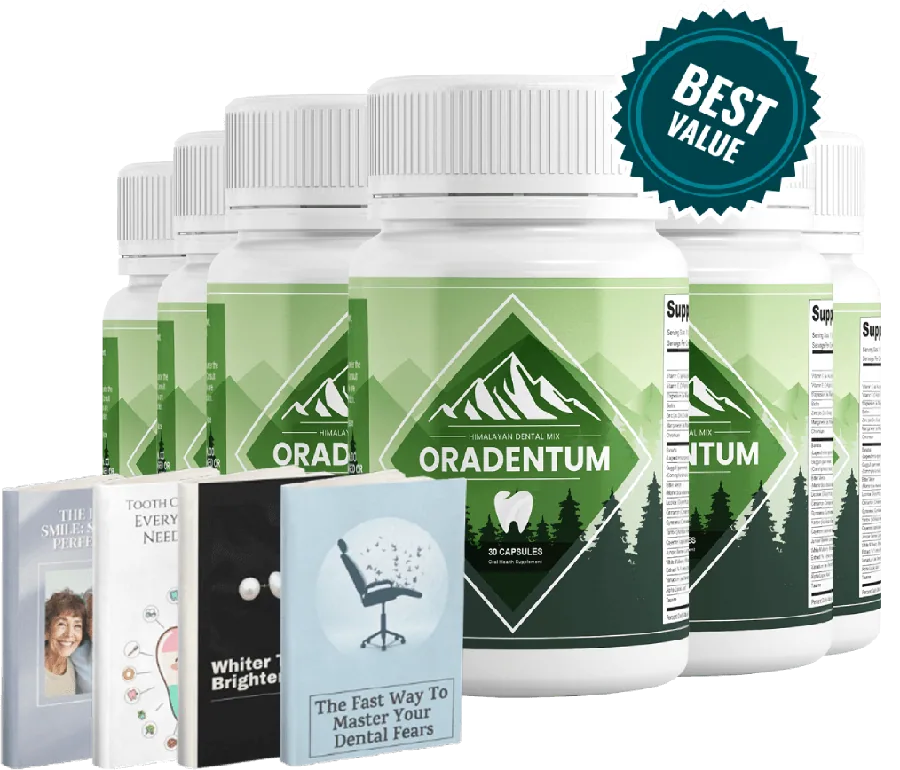
Oradentum Review: Does This Oral Health Supplement Really Work?
A 21-ingredient oral-health supplement sold only through the official website, with a 60-day money-back guarantee.
Read the review
Phytomem One Review: Is It Legit or Just Hype?
A 10-ingredient memory and brain-support supplement sold only through the official website, built around claims about microplastics and 'Type 3 Diabetes'.
Read the review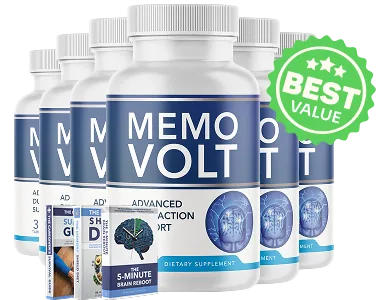
MemoVolt Review: Does It Really Support Healthy Memory?
A multi-ingredient brain and memory supplement sold on the official website, with bundles from 2 to 6 bottles and a 60-day money-back guarantee.
Read the reviewFrequently Asked Questions About Banaba
Does banaba really work?
Research suggests banaba extracts may support lower blood glucose, but the evidence is limited. The human trials were small and short, and many tested a single branded extract. It is not a replacement for diabetes care.
Is banaba safe?
Reviews of small, short trials reported no adverse effects. Its main risk is lowering blood sugar too much, especially with diabetes medicines. Long-term safety data are lacking, so check with a health care provider first.
What is corosolic acid and how does it relate to banaba?
Corosolic acid is a plant compound found in banaba leaves, and it is the main ingredient studied for blood sugar effects. Some extracts are standardized to a percentage of it. Ellagitannins in the leaf may also contribute.
Can I take banaba with diabetes medicine?
Only with your provider's guidance. Banaba may add to the effect of these medicines and cause low blood sugar. Your provider may want to monitor your glucose or adjust your treatment.
Will banaba help me lose weight?
There is little reliable human evidence for this. Weight claims mostly come from animal and test tube studies and from marketing. Do not expect meaningful weight loss from banaba alone.
Sources
- A review of the efficacy and safety of banaba (Lagerstroemia speciosa L.) and corosolic acid — PubMed
- Management of Diabetes and Its Complications with Banaba (Lagerstroemia speciosa L.) and Corosolic Acid — PubMed Central
- Effect of corosolic acid on postchallenge plasma glucose levels — PubMed
- Banaba — WebMD
Last reviewed: