Cinnamon: Benefits, Research & Safety
Cinnamon is a spice made from the inner bark of Cinnamomum trees. People take cinnamon supplements mainly because it was studied for blood sugar and metabolic markers. The research is mixed, and the type of cinnamon matters for safety.
Cinnamon Ingredient Guide
Also known as: Cinnamomum verum (Ceylon or "true" cinnamon), Cinnamomum cassia (Chinese cassia), Cinnamomum burmannii (Indonesian or Korintje cassia), Cinnamomum loureiroi (Saigon cinnamon), cinnamon bark
- What it is
- Cinnamon is the dried inner bark of several Cinnamomum species, used as a spice for centuries. The main types are Ceylon (true) cinnamon and the cassia group, which is most common in US stores.
- What it does
- Compounds in cinnamon, such as cinnamaldehyde and polyphenols, were studied in lab and animal work for effects on insulin signaling and glucose uptake. Whether this translates into meaningful effects in people is not settled.
- How it is used
- It is used as a food spice and taken as powder capsules, bark extracts or teas. Supplements are mostly marketed for blood sugar and metabolic support.
- Natural sources and forms
- Sources are ground bark, sticks, water or alcohol extracts, and capsules. Labels often do not state the species, which matters because cassia contains much more coumarin than Ceylon.
- Why it appears in formulas
- Makers add cinnamon to blood sugar, metabolic and general wellness blends because of its familiar image and the glucose research. It is also cheap and easy to include in powders and capsules.
- What to know before use
- Check whether the product uses cassia or Ceylon, since cassia contains coumarin that can affect the liver at high or long-term intakes. Talk to a health care provider first if you take diabetes medicine, have liver disease or are pregnant.
What the Research Says
Overall: Limited evidence
Many human trials of cinnamon exist, mostly small and short, and mostly in people with type 2 diabetes or prediabetes. Meta-analyses (pooled reviews) are inconsistent. Some report small drops in fasting glucose and HbA1c. One umbrella review found an HbA1c change of about -0.10 percentage points, which is modest. An earlier meta-analysis of 10 trials found no significant effect on HbA1c or fasting glucose.
Quality is a recurring problem. Trials use different species, plant parts, extracts and amounts (from roughly 0.1 g to 14 g a day), and often do not say which cinnamon was tested. Several analyses also show high variation between studies. The NIH's National Center for Complementary and Integrative Health states that research does not clearly support using cinnamon for any health condition.
Evidence for other areas, such as cholesterol, weight and blood pressure, is smaller and less consistent. Most mechanism findings come from cell and animal studies, which cannot show that the same effect happens in people.
| Studied for | What the research says | Evidence |
|---|---|---|
| Blood sugar | Some meta-analyses of trials in type 2 diabetes report small improvements in fasting glucose and HbA1c, while others find no significant effect. Differences in species, dose and study quality make the results hard to interpret. | Limited evidence |
| Dose and form | One recent analysis suggested capsule forms at about 2 g/day or less showed the clearest glycemic effects, with no added benefit at higher amounts. This is a secondary finding and needs confirmation. | Early evidence |
| Weight and body composition | NCCIH says it is unclear whether cinnamon helps with weight loss. Findings are inconsistent and need better trials. | Early evidence |
| Cholesterol and other metabolic markers | Some small trials and pooled analyses reported changes in lipids, but results are inconsistent and the studies vary widely in design. | Early evidence |
Did you know? Not all cinnamon is the same
Most cinnamon sold in US stores is cassia, which can contain about a hundred times more coumarin than Ceylon cinnamon. Many supplement labels list just "cinnamon", so you often cannot tell which one you are getting.
Amounts Used in Studies
These are amounts researchers used, not dosing advice. Ask your doctor or pharmacist what is right for you.
| Form | Amount | Study context |
|---|---|---|
| Cinnamon powder or capsules (mostly cassia types) | about 0.12 g to 14 g/day (median about 3.8 g/day in one umbrella review) | Trials of several weeks to months, mostly in adults with type 2 diabetes or PCOS |
| Capsules, in a subgroup analysis | 2 g/day or less | Subgroup of a pooled analysis of 28 trials, where glycemic markers improved most clearly |
Safety, Side Effects and Interactions
Cinnamon is likely safe in the amounts used as a spice or flavoring. Larger amounts or long-term use are sometimes linked to stomach upset and allergic reactions. Skin contact with cinnamon oil or powder can cause irritation or contact dermatitis. Inhaling dry powder, as in the "cinnamon challenge," can cause serious lung harm.
The main concern is coumarin in cassia cinnamon. Liver problems linked to coumarin have been reported. European regulators set a tolerable daily intake of 0.1 mg coumarin per kg of body weight. Cassia averages about 3 g of coumarin per kg of bark, so roughly 2 g of cassia a day would reach that limit for a 60 kg adult, and a small child would reach it at about 0.5 g. Ceylon cinnamon contains only traces. Sensitive people and those with liver disease are more at risk.
Food amounts are considered safe in pregnancy, but larger amounts of Ceylon cinnamon are considered unsafe. Safety of larger amounts while breastfeeding is largely unknown.
Possible interactions
- Diabetes medicines, including insulin, could add to blood sugar lowering, so glucose may need closer monitoring.
- Medicines or supplements that can affect the liver may add to the liver burden from coumarin in cassia.
- NCCIH notes theoretical interactions with an anticancer medicine and with nicotine.
- Blood thinners deserve caution because coumarin is chemically related to compounds used in some of them, though cinnamon's coumarin is not the same as a prescription anticoagulant.
Avoid it or ask a doctor first if
- You have liver disease or take liver-affecting medicines
- You are pregnant, unless amounts are normal food use
- You are breastfeeding, if using larger supplement amounts
- You take diabetes medicine and have not checked with your doctor
- You have a known cinnamon or cinnamaldehyde allergy
- It is for a young child, since coumarin limits are low
Supplements We've Reviewed That Contain Cinnamon
Each review checks the full formula, price, refund policy and side effects.

Nagano Tonic Review: Does This Daily Scoop Really Help With Weight Loss?
Daily scoop supplement marketed for fat loss, energy and metabolism, sold through the official website with a 180-day refund claim.
Read the reviewGluco6 Review: Does This Blood Sugar Supplement Really Work?
A six-ingredient capsule marketed on the official website for blood sugar control and weight loss; the main claims rest on unverified mechanism and Harvard citations.
Read the review
Phytomem One Review: Is It Legit or Just Hype?
A 10-ingredient memory and brain-support supplement sold only through the official website, built around claims about microplastics and 'Type 3 Diabetes'.
Read the review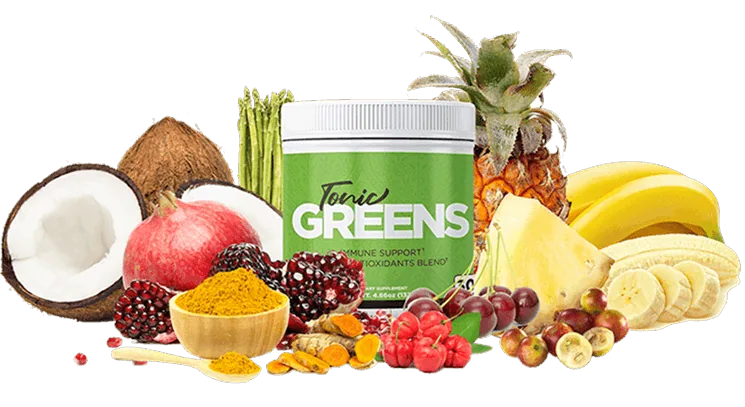
TonicGreens Review: Does This Greens Powder Really Support Immunity?
A daily greens-powder drink mix marketed for immune support, sold through the official website with a 60-day money-back guarantee.
Read the review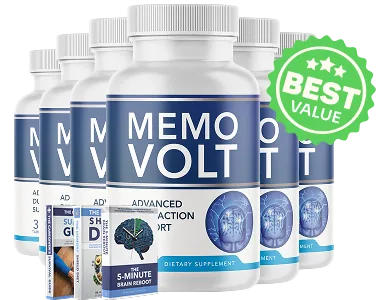
MemoVolt Review: Does It Really Support Healthy Memory?
A multi-ingredient brain and memory supplement sold on the official website, with bundles from 2 to 6 bottles and a 60-day money-back guarantee.
Read the reviewFrequently Asked Questions About Cinnamon
Does cinnamon really work?
Research is mixed. Some pooled analyses show small improvements in blood sugar markers, while others find no significant effect. NCCIH says research does not clearly support cinnamon for any health condition.
Is cinnamon safe?
Cinnamon is likely safe as a food spice. Larger supplement amounts can cause stomach upset or allergic reactions, and cassia's coumarin may affect the liver, especially with long-term use or existing liver disease.
What is the difference between cassia and Ceylon cinnamon?
Cassia is the common, cheaper type and contains considerably more coumarin. Ceylon, or true cinnamon, has only trace amounts. Supplement labels often do not say which is used.
Can cinnamon supplements affect diabetes medicine?
In theory, yes. Cinnamon was studied for lowering blood sugar, so combining it with diabetes drugs might add to the effect. Ask a health care provider before using it if you take these medicines.
Is cinnamon safe during pregnancy?
Food amounts of Ceylon and cassia are considered safe in pregnancy. Larger amounts of Ceylon are considered unsafe, so supplement-level use should be discussed with your provider first.
Sources
- Cinnamon — NCCIH, National Institutes of Health
- Effects of cinnamon supplementation on glycemic markers: umbrella meta-analysis — Diabetology & Metabolic Syndrome (Springer)
- Cinnamon meta-analysis of randomized trials — PubMed Central
- Cassia cinnamon with high coumarin contents to be consumed in moderation — German Federal Institute for Risk Assessment (BfR)
- FAQ on coumarin in cinnamon and other foods — German Federal Institute for Risk Assessment (BfR)
Last reviewed: