Magnesium: Benefits, Research & Safety
Magnesium is an essential mineral that your body uses in hundreds of enzyme reactions, including those involved in muscle and nerve function and energy production. People take supplements to fill gaps in their diet or to support things like blood pressure, sleep, mood and regularity. The research is mixed. Some areas look promising and others are thin.
Magnesium Ingredient Guide
Also known as: Mg, magnesium citrate, magnesium glycinate, magnesium oxide, magnesium malate, magnesium chloride, magnesium sulfate (Epsom salt)
- What it is
- Magnesium is an essential mineral found in many foods and in supplements and some medicines such as antacids and laxatives. Bone stores most of the body's magnesium, and the rest sits in muscle, soft tissue and blood.
- What it does
- It acts as a helper (cofactor) for hundreds of enzymes. These enzymes are involved in energy production, protein and DNA synthesis, muscle contraction, nerve signaling and blood pressure regulation.
- How it is used
- People take it as capsules, tablets, powders or liquids, usually once or twice a day with food. It is also an ingredient in some antacids and laxatives.
- Natural sources and forms
- Food sources include leafy greens, nuts, seeds, legumes, whole grains and some fortified cereals. Supplement forms include citrate, glycinate, malate, chloride, oxide and others. Forms that dissolve well in liquid, such as citrate and chloride, are generally absorbed better than oxide. Labels list elemental magnesium, which is less than the total weight of the compound.
- Why it appears in formulas
- Makers add magnesium to support daily mineral needs. It also appears in blends marketed for sleep, relaxation, muscle recovery, heart health and energy, because many adults eat less magnesium than recommended.
- What to know before use
- Supplemental magnesium has an upper intake level of 350 mg per day for adults. This limit applies to supplements and medicines, not to food. People with kidney disease or who take certain medicines should check with a clinician first.
What the Research Says
Overall: Moderate evidence
Magnesium is an essential nutrient, so the need for adequate intake is well established. The research on supplements is less clear-cut. The evidence is stronger for people who are low in magnesium and weaker for people who already get enough.
Several meta-analyses of randomized trials suggest small improvements in blood pressure. Examine.com's summary of those analyses puts the change at about 2 mmHg. Migraine prevention has some support, and neurology guidelines have described magnesium as "probably effective." A 2023 meta-analysis of randomized trials reported lower depression scores with magnesium. The authors called for larger, higher-quality trials.
Sleep evidence is early. Several small trials, mostly in older adults or people with low intake, reported modest gains in sleep quality, but the studies differ widely in design. Many trials are short, small and use different forms and amounts, which makes comparison difficult. Magnesium is not a treatment for any condition, and results in one group may not apply to others.
| Studied for | What the research says | Evidence |
|---|---|---|
| Blood pressure | Meta-analyses of randomized trials suggest supplements may lower systolic and diastolic blood pressure by a small amount (about 2 mmHg), with larger changes in people who are low in magnesium. | Moderate evidence |
| Migraine | Trials of oral and intravenous magnesium suggest it may reduce how often and how intensely migraines occur. Neurology guidelines have described it as probably effective for prevention. | Moderate evidence |
| Mood and depression | A 2023 meta-analysis of randomized trials found lower depression scores with magnesium. The trials were small and varied, and the authors called for larger studies. | Limited evidence |
| Sleep quality | Some small trials, mostly in older adults or people with low intake, reported modest sleep improvements. The studies are small and differ in design, so conclusions are uncertain. | Early evidence |
Did you know? Why the form on the label matters
The label shows elemental magnesium, which is only a fraction of the compound's weight. Forms also differ in how well they are absorbed and how likely they are to loosen stools. Magnesium oxide has a high magnesium content by weight but is absorbed less well, and it is often used as a laxative.
Amounts Used in Studies
These are amounts researchers used, not dosing advice. Ask your doctor or pharmacist what is right for you.
| Form | Amount | Study context |
|---|---|---|
| Oral magnesium supplements (various forms, elemental magnesium) | Roughly 120-500 mg/day | Short- to medium-term trials on blood pressure, mood and sleep. Amounts and forms varied widely. |
| Oral magnesium for migraine prevention | About 400-600 mg/day | Trials lasting several weeks to months. This range comes from the general literature and guideline summaries, not from a source I opened for this page. |
| Adult upper limit for supplemental magnesium (NIH) | 350 mg/day | Safety limit set by the National Academies, as reported by NIH Office of Dietary Supplements. It applies to supplements and medicines, not food. |
Safety, Side Effects and Interactions
At typical supplement amounts, magnesium is generally well tolerated in healthy adults. The most common side effects are diarrhea, nausea and abdominal cramping. These are more likely with higher amounts and with forms such as oxide, citrate and chloride, which draw water into the gut.
Very high intakes, usually from large amounts of magnesium-containing laxatives or antacids, can cause too much magnesium in the blood. Symptoms include low blood pressure, confusion, slowed breathing, an irregular heartbeat and, in extreme cases, cardiac arrest. The kidneys clear excess magnesium, so people with kidney disease are at higher risk.
The NIH upper limit of 350 mg per day for adults applies only to magnesium from supplements and medicines. Magnesium from food is not included. Because supplement labels list elemental magnesium, check the label and add up all products you take, including antacids and laxatives.
Possible interactions
- Bisphosphonates (osteoporosis drugs) are poorly absorbed if taken too close to magnesium. Your pharmacist can advise on spacing.
- Some antibiotics, such as tetracyclines and quinolones, may not be absorbed well if taken too close to magnesium supplements.
- Diuretics can raise or lower magnesium loss through urine, depending on the type.
- Proton pump inhibitors taken long term may lower blood magnesium levels.
- Very high zinc supplement amounts can interfere with magnesium absorption and regulation.
- Magnesium can add to the effects of other magnesium-containing products, such as antacids and laxatives.
Avoid it or ask a doctor first if
- You have kidney disease or reduced kidney function (ask a doctor first)
- You have a heart rhythm disorder or a slow heart rate
- You have myasthenia gravis
- You take bisphosphonates, certain antibiotics or diuretics (ask a pharmacist about timing)
- You are pregnant or breastfeeding (ask a clinician about amounts)
- You already have frequent diarrhea or bowel problems
Supplements We've Reviewed That Contain Magnesium
Each review checks the full formula, price, refund policy and side effects.
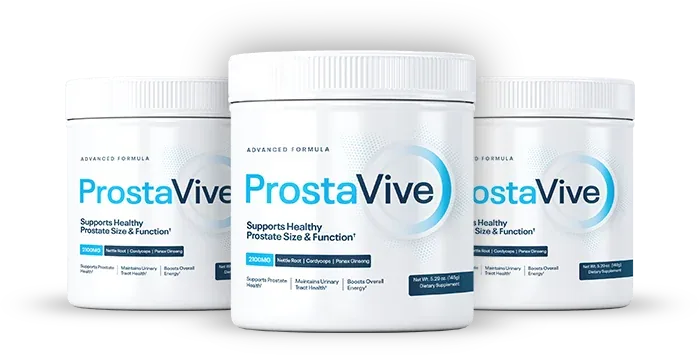
ProstaVive Review: Is It Legit or Just Hype for Prostate Support?
Men's prostate-support supplement sold on the official website with bulk-pack pricing and a 180-day refund claim; its health claims go well beyond the evidence shown on the page.
Read the review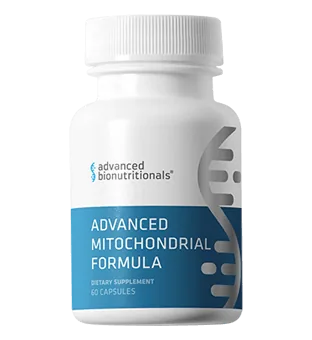
Advanced Mitochondrial Formula Review: Is It Legit and Does It Work?
A mitochondria-focused supplement with niacinamide, D-ribose, PQQ and eight other nutrients, sold on the official website with a 90-day refund offer.
Read the review
Thyrafemme Balance Review: Does It Really Support Thyroid Health?
A 14-ingredient daily thyroid and feminine-wellness supplement sold only through the official website, with multi-bottle packs and a 60-day refund offer.
Read the review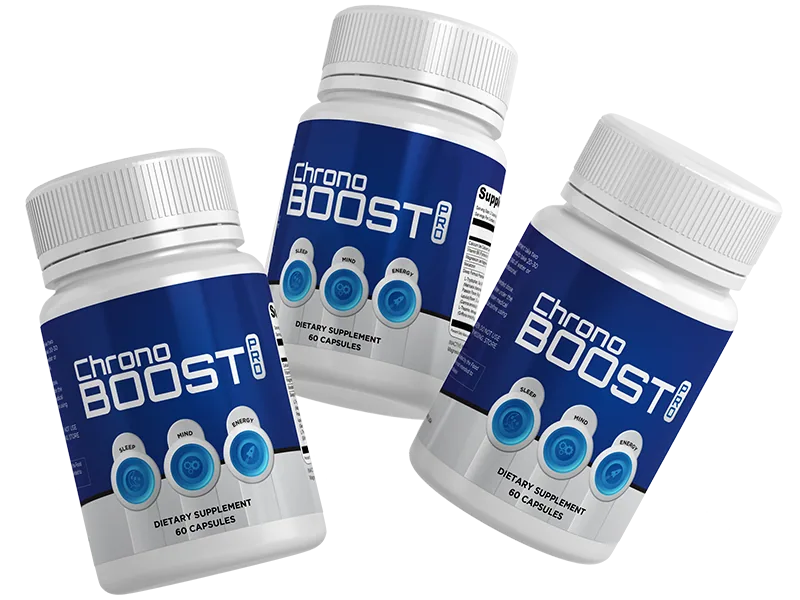
Chronoboost Review: Is Chronoboost Pro Worth It for Sleep and Energy?
A multi-ingredient sleep, mind and energy supplement sold only through the official website, with a 60-day money-back claim and no ingredient amounts disclosed.
Read the reviewFrequently Asked Questions About Magnesium
Does magnesium really work?
It depends on the goal. Magnesium is essential, and supplements help if your intake is low. Research suggests small blood pressure effects and possible benefit for migraine prevention. Evidence for sleep and mood is still limited or early.
Is magnesium safe?
For most healthy adults, magnesium at or below the 350 mg per day upper limit for supplements is generally well tolerated. Diarrhea and stomach cramps are the most common side effects. People with kidney disease and people who take certain medicines should talk to a doctor or pharmacist first.
Which form of magnesium is best?
There is no single best form. Citrate, glycinate and chloride are generally absorbed better than oxide. Citrate and oxide are more likely to cause loose stools. Human studies comparing forms are limited, and marketing claims about specific forms often go beyond the research.
Can I get enough magnesium from food?
Many people can. Leafy greens, nuts, seeds, legumes and whole grains are good sources. Surveys show many US adults eat less than the recommended amount, so supplements may help fill the gap. A clinician can advise if you are unsure.
When should I take magnesium?
There is no proven best time. Taking it with food may reduce stomach upset. Space it apart from medicines that can bind to it, such as bisphosphonates and some antibiotics, and ask your pharmacist how far apart.
Sources
- Magnesium: Consumer Fact Sheet — NIH Office of Dietary Supplements
- Magnesium: Fact Sheet for Health Professionals — NIH Office of Dietary Supplements
- Magnesium supplementation beneficially affects depression in adults with depressive disorder: a systematic review and meta-analysis of randomized clinical trials — PubMed Central
- Magnesium — Examine
Last reviewed: