Vitamin B6: Benefits, Research & Safety
Vitamin B6 is an essential water-soluble vitamin that the body needs for protein metabolism, nerve function and making red blood cells. People take it as a supplement to cover dietary gaps, or for specific uses such as premenstrual symptoms or nausea in pregnancy. Most people in the US get enough from food, and very high supplement amounts can cause nerve problems.
Vitamin B6 Ingredient Guide
Also known as: Pyridoxine, Pyridoxine hydrochloride, Pyridoxal 5'-phosphate (P5P), Pyridoxal, Pyridoxamine
- What it is
- Vitamin B6 is a group of related water-soluble compounds, including pyridoxine, pyridoxal and pyridoxamine. The body converts them to the active form, pyridoxal 5'-phosphate.
- What it does
- It works as a helper (coenzyme) in many reactions involving protein breakdown, neurotransmitter production, and hemoglobin production. It also helps keep blood sugar in normal ranges and supports antibody production.
- How it is used
- It is taken as a single supplement, in B-complex products and in multivitamins to meet daily needs. It has also been studied at higher amounts for PMS symptoms and pregnancy-related nausea.
- Natural sources and forms
- Food sources include tuna, salmon, poultry, beef, pork, chickpeas, bananas, nuts, whole grains and fortified cereals. Supplements most often use pyridoxine hydrochloride, while some use the active form, pyridoxal 5'-phosphate.
- Why it appears in formulas
- Makers add it as part of a B-vitamin blend, often alongside B12 and folate, for general nutritional support and for its role in nerve function and energy metabolism.
- What to know before use
- Do not exceed the upper limit unless a clinician directs you to. Long-term high intakes from supplements can cause numbness and nerve damage, and many multivitamins and B-complex products already contain B6.
What the Research Says
Overall: Moderate evidence
The evidence is strong that vitamin B6 is essential and that deficiency causes problems such as confusion, irritability, mouth and tongue sores and nerve damage. Deficiency is uncommon in the United States, though it is more likely in people with kidney failure, liver disease or heavy alcohol use.
The evidence is weaker for benefits beyond correcting a shortfall. For cognition, the NIH Office of Dietary Supplements reports that B6 alone or with B12 and folic acid does not appear to improve cognitive function or mood in healthy people or in people with dementia. A review of 14 randomized trials, mostly of low quality, found little effect.
For premenstrual syndrome, the picture is mixed. Some studies suggest B6 may ease symptoms such as moodiness, irritability and bloating, but most were small or of poor quality, and at least one well-designed trial of 120 women found no benefit. For nausea in pregnancy, Mayo Clinic notes B6 might reduce severity. Overall, B6 is well established as a nutrient, but evidence for specific supplement benefits is limited and inconsistent. These findings do not show it treats any condition.
| Studied for | What the research says | Evidence |
|---|---|---|
| Correcting deficiency | B6 is essential, and deficiency is linked to anemia, nerve problems, confusion and mouth sores. Supplementing helps when intake is truly low. | Strong evidence |
| Premenstrual symptoms | Some studies suggest B6 may reduce symptoms like mood changes and bloating, but trials are mostly small or low quality, and one well-designed trial found no benefit. | Limited evidence |
| Nausea in pregnancy | Mayo Clinic notes B6 might reduce the severity of morning sickness. It should only be used under a doctor's guidance during pregnancy. | Moderate evidence |
| Memory and mood | NIH reports that B6 alone or with B12 and folic acid does not appear to improve cognition or mood in healthy people or those with dementia. A review of 14 mostly low-quality trials found little effect. | Limited evidence |
Did you know? Why more is not always better
Vitamin B6 is water-soluble, so people often assume extra is harmless because it is excreted in urine. In reality, it is one of the few water-soluble vitamins that can cause nerve damage when taken at high doses for long periods. Reported cases include women who took it for premenstrual symptoms.
Amounts Used in Studies
These are amounts researchers used, not dosing advice. Ask your doctor or pharmacist what is right for you.
| Form | Amount | Study context |
|---|---|---|
| Dietary intake (Recommended Dietary Allowance) | 1.3 mg/day for adults 19-50; 1.7 mg for men and 1.5 mg for women over 50 | NIH reference amounts to prevent deficiency; 1.9 mg in pregnancy and 2.0 mg while breastfeeding |
| Pyridoxine supplements for PMS or pregnancy nausea | Varies by study, often tens of mg/day | Short trials, mostly small; amounts differ widely, and long-term use at higher levels raises nerve-safety concerns |
Safety, Side Effects and Interactions
At amounts close to the recommended intake, vitamin B6 is considered safe. Mayo Clinic describes it as likely safe at appropriate supplement amounts.
The main concern is long-term high intake. Large amounts can cause trouble coordinating movement, numbness and other sensory changes (peripheral neuropathy). An archived NIH fact sheet described nerve damage in women taking daily B6 supplements for PMS, and reported increasing cases of B6 toxicity in that group. The US upper limit for adults is generally cited as 100 mg/day, which I could not confirm on the NIH page I opened, so check it before publishing. Some sources suggest lower limits, so a cautious approach is warranted.
Other reported effects at high amounts include nausea, skin reactions and light sensitivity. Because B6 appears in multivitamins, B-complex products, energy drinks and fortified foods, total intake can add up unnoticed. Because it is water-soluble, the body does not store it for long, but toxicity has still occurred with chronic high intake. Stop use and talk to a clinician if you notice tingling or numbness.
Possible interactions
- Cycloserine (a tuberculosis antibiotic) may interact with B6 supplements, so ask a clinician before combining them.
- Theophylline (an asthma medicine) can lower B6 levels, and low B6 in this setting has been linked to seizures.
- Other medicines can affect B6 status or be affected by it, such as phenytoin and levodopa, so check with a pharmacist if you take prescription drugs.
- Taking B6 from several products, such as a multivitamin plus a B-complex, can push total intake above the upper limit.
Avoid it or ask a doctor first if
- Pregnant or breastfeeding, unless your clinician advises it
- Taking cycloserine, theophylline, phenytoin or levodopa without medical advice
- Already have numbness, tingling or neuropathy
- Have kidney or liver disease
- Already taking a multivitamin or B-complex and considering high-dose B6
Supplements We've Reviewed That Contain Vitamin B6
Each review checks the full formula, price, refund policy and side effects.
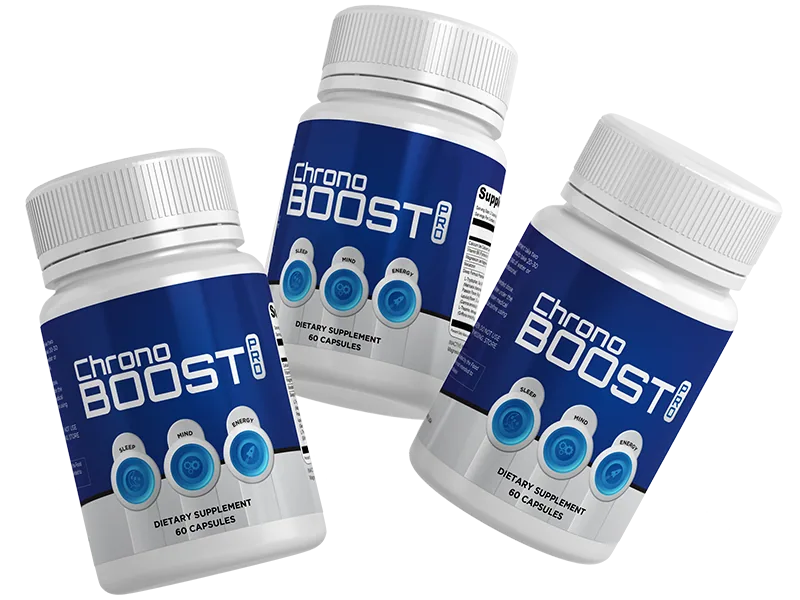
Chronoboost Review: Is Chronoboost Pro Worth It for Sleep and Energy?
A multi-ingredient sleep, mind and energy supplement sold only through the official website, with a 60-day money-back claim and no ingredient amounts disclosed.
Read the review
Zeneara Review: Does It Really Support Ear Health?
A capsule supplement marketed for ear health, sold through the official website with bulk-discount pricing.
Read the reviewFrequently Asked Questions About Vitamin B6
Does vitamin B6 really work?
It works as an essential nutrient, and correcting a deficiency helps. Beyond that, the research is mixed: some small studies suggest it may help premenstrual symptoms or pregnancy nausea, while reviews find little effect on memory or mood in healthy people. Results do not prove it treats any condition.
Is vitamin B6 safe?
At amounts near the recommended intake, it is considered safe for most people. Long-term high amounts can cause numbness and nerve damage, so avoid exceeding the upper limit and count B6 from all your supplements. Ask a clinician if you are pregnant or take medicines.
How much vitamin B6 do adults need?
The NIH recommended amount is 1.3 mg a day for most adults aged 19 to 50. It rises to 1.7 mg for men over 50 and 1.5 mg for women over 50. Most people meet this through food.
What is the difference between pyridoxine and P5P?
Pyridoxine is the common supplement form, and the body converts it to pyridoxal 5'-phosphate (P5P), the active form. P5P is sold as an alternative. Evidence that one form is safer or better is limited, and some of it comes from lab studies only.
Can I get enough vitamin B6 from food?
Yes, most people can. Tuna, salmon, poultry, beef, chickpeas, bananas, nuts and fortified cereals are good sources. Deficiency is uncommon in the US, though it is more likely with kidney disease, liver disease or heavy alcohol use.
Sources
- Vitamin B6: Consumer fact sheet — NIH Office of Dietary Supplements
- Vitamin B6: Fact Sheet for Health Professionals — NIH Office of Dietary Supplements
- Vitamin B6 — MedlinePlus
- Vitamin B-6 — Mayo Clinic
Last reviewed: