Calcium: Benefits, Research & Safety
Calcium is an essential mineral. Most of it is stored in bones and teeth, and the rest helps muscles, nerves and blood vessels work normally. People take supplements to fill gaps when their diet falls short, often to support bone health.
Calcium Ingredient Guide
Also known as: calcium carbonate, calcium citrate, calcium citrate malate, calcium gluconate, calcium lactate, elemental calcium
- What it is
- Calcium is the most abundant mineral in the body, and the body cannot make it. It has to come from food, drinks or supplements.
- What it does
- About 99% of the body's calcium is in bones and teeth, where it gives them structure. The remainder helps with muscle contraction, nerve signaling, blood clotting and normal heart rhythm.
- How it is used
- People use it as a daily supplement, often with vitamin D, or in fortified foods and antacid tablets. Labels list the 'elemental' calcium amount, which is the number that matters.
- Natural sources and forms
- Dairy foods, fortified plant milks and juices, canned fish with bones, tofu set with calcium and some leafy greens (such as kale and bok choy) are common sources. Supplements are mostly calcium carbonate, which is best taken with food, or calcium citrate, which can be taken with or without food.
- Why it appears in formulas
- Makers add it to bone, women's health and multivitamin products because many people do not meet recommended intakes. It is often paired with vitamin D, magnesium or vitamin K.
- What to know before use
- Check how much calcium you already get from food, then ask a healthcare provider before supplementing. Taking more than you need will not build stronger bones and may raise the risk of side effects.
What the Research Says
Overall: Moderate evidence
Calcium's role in the body is well established. The research on supplements is more mixed.
Randomized trials and meta-analyses have looked at calcium, usually combined with vitamin D, for bone density and fractures. Results suggest a small benefit for bone density. The benefit for fracture prevention is less consistent. It appears larger in older adults who are deficient or live in institutions, and smaller in healthy people who already eat enough calcium.
The safety research is also unsettled. Some analyses linked supplemental calcium to a higher risk of kidney stones and possibly heart problems. Other reviews found little or no effect on cardiovascular disease from diet or supplements. Studies on cancer, blood pressure and other conditions have given mixed or inconclusive results.
Much of the evidence comes from large trials such as the Women's Health Initiative, which tested calcium plus vitamin D. Because the two were given together, it is hard to separate calcium's own effect. Overall, calcium is a necessary nutrient. The evidence for supplements is moderate and depends on a person's diet and risk factors.
| Studied for | What the research says | Evidence |
|---|---|---|
| Bone density | Trials of calcium, usually with vitamin D, suggest a modest benefit for bone density, especially in people with low calcium intake. Benefits appear smaller in people who already get enough. | Moderate evidence |
| Fracture risk | Results are mixed. Some analyses found fewer fractures in older adults taking calcium with vitamin D, while others found little effect in community-dwelling adults. | Limited evidence |
| Kidney stones | Dietary calcium is not linked to more stones. In the Women's Health Initiative, calcium plus vitamin D supplements were linked to about a 17% higher stone risk. | Moderate evidence |
| Heart health | Some meta-analyses linked high-dose calcium supplements to more heart attacks, while others found no clear effect. The question is unresolved. | Limited evidence |
| Blood pressure and pregnancy | Calcium has been studied for blood pressure disorders in pregnancy in people with low intake. Any use should be directed by an obstetric provider. | Limited evidence |
Did you know? Your body takes calcium from bone when the blood runs low
The body keeps blood calcium within a narrow range, because it matters for the heart and nerves. When intake is too low, it draws calcium from bones. This is why long-term low intake can weaken bones without any early symptoms.
Amounts Used in Studies
These are amounts researchers used, not dosing advice. Ask your doctor or pharmacist what is right for you.
| Form | Amount | Study context |
|---|---|---|
| Elemental calcium from food and supplements combined (Recommended Dietary Allowance) | 1,000 mg/day for most adults 19-50; 1,200 mg/day for women 51+ and all adults 71+ | US intake targets from the National Academies; these are reference values, not personal advice |
| Elemental calcium in supplements, often with vitamin D | About 500-1,200 mg/day | Amounts commonly used in bone health trials in older adults, often in divided doses |
| Tolerable Upper Intake Level (total from all sources) | 2,500 mg/day ages 19-50; 2,000 mg/day ages 51+ | The highest daily intake not expected to cause harm in most people |
Safety, Side Effects and Interactions
Calcium from food is safe for most people. Supplements are generally well tolerated at appropriate amounts, but they can cause problems.
Common side effects are gas, bloating, constipation and stomach upset. Calcium carbonate tends to cause more of these than calcium citrate. Splitting the dose, taking it with meals or switching forms may help.
Taking too much, especially over the upper limit, can cause high blood calcium (hypercalcemia). It can lead to nausea, confusion, kidney problems, kidney stones and abnormal heart rhythm. Supplements, fortified foods and antacids all add up.
Possible long-term risks include kidney stones. Some studies also suggest a heart risk at high supplemental amounts, but the evidence is inconsistent.
The body absorbs only a limited amount at once, so supplements are usually split into doses of about 500 mg or less of elemental calcium. Calcium supplements may also affect the absorption of iron and zinc.
Possible interactions
- Levothyroxine: calcium can reduce its absorption, so doses are usually spaced several hours apart.
- Bisphosphonates (such as alendronate): calcium can reduce absorption, so these are usually taken well before calcium.
- Tetracycline and fluoroquinolone antibiotics: calcium can bind them and lower absorption.
- Thiazide diuretics: they reduce calcium loss in urine, so combining them with calcium supplements can raise blood calcium.
- Iron and zinc supplements: calcium may reduce their absorption when taken together.
- Digoxin and some heart medicines: high blood calcium can raise the risk of rhythm problems, so check with a provider.
- Vitamin D increases calcium absorption, which is helpful but adds to the risk of too much.
Avoid it or ask a doctor first if
- History of kidney stones, unless a doctor advises otherwise
- High blood calcium or hyperparathyroidism
- Kidney disease
- Sarcoidosis or other conditions with high calcium
- Taking levothyroxine, bisphosphonates, certain antibiotics, digoxin or thiazide diuretics (ask a doctor or pharmacist first)
- Pregnant or breastfeeding, before using amounts above recommended intakes
- Already getting enough calcium from food
Supplements We've Reviewed That Contain Calcium
Each review checks the full formula, price, refund policy and side effects.

DentalPrime Review: Does It Really Support Healthy Gums and Teeth?
A daily oral tablet with vitamin D3, vitamin K2, calcium hydroxyapatite, xylitol, cranberry powder and zinc, sold on the official website for gum, tooth and breath support.
Read the review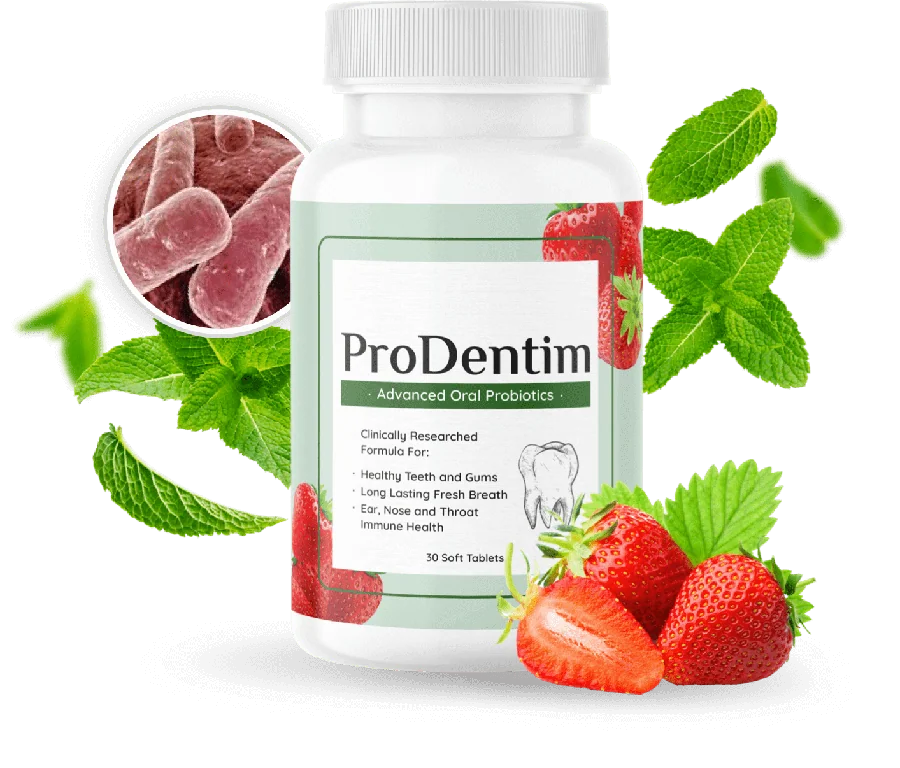
ProDentim Review: Does This Oral Probiotic Really Support Gums and Teeth?
A dissolvable probiotic tablet marketed for gum and tooth health, sold on the official website with a 60-day money-back guarantee; the health claims are largely unverified.
Read the review
TheyaVue Review: Does This Eye Supplement Really Work?
Vegetarian capsule supplement marketed for eye and vision health, sold only through the official website.
Read the review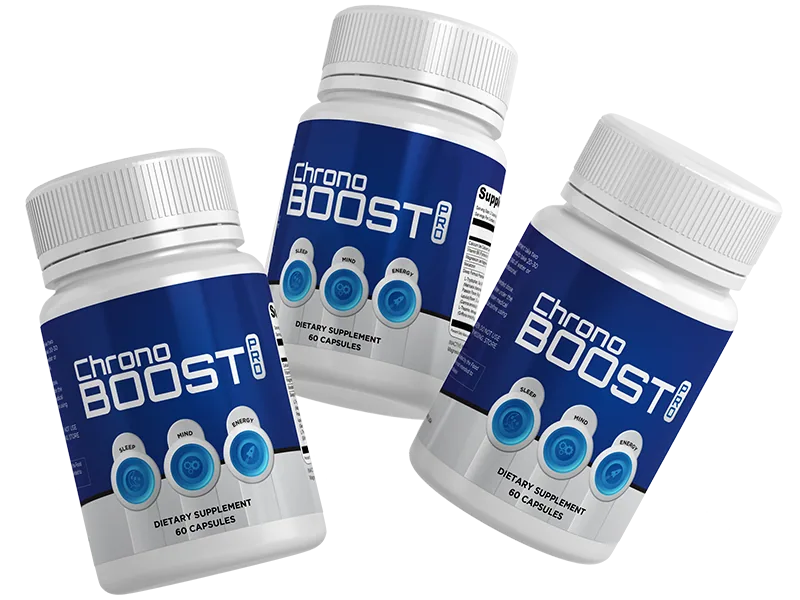
Chronoboost Review: Is Chronoboost Pro Worth It for Sleep and Energy?
A multi-ingredient sleep, mind and energy supplement sold only through the official website, with a 60-day money-back claim and no ingredient amounts disclosed.
Read the reviewFrequently Asked Questions About Calcium
Does calcium really work?
Calcium is essential for bones, muscles and nerves. Supplements may help people who do not get enough from food, and trials suggest a modest benefit for bone density. Benefits are less clear for people who already have adequate intake.
Is calcium safe?
Calcium is safe for most people at recommended amounts. Too much from supplements can cause constipation, kidney stones and high blood calcium. Staying under the upper limit and talking to a provider is sensible.
Which is better, calcium carbonate or calcium citrate?
Carbonate has more elemental calcium per tablet and is cheaper, but it needs stomach acid, so it is best taken with food. Citrate is absorbed well with or without food and may suit people who take acid reducers or have stomach problems.
Should I get calcium from food or supplements?
Food is generally the preferred source, because it provides other nutrients and is not linked to the kidney stone concerns seen with supplements. Supplements may fill the gap if your diet falls short.
Do I need vitamin D with calcium?
Vitamin D helps the body absorb calcium, and many studies tested the two together. How much you need depends on your diet, sun exposure and blood levels, so ask a healthcare provider.
Sources
- Calcium: Fact Sheet for Consumers — NIH Office of Dietary Supplements
- Calcium: Fact Sheet for Health Professionals — NIH Office of Dietary Supplements
- Calcium in diet — MedlinePlus
Last reviewed: