Huperzia Serrata: Benefits, Research & Safety
Huperzia serrata is a moss-like plant used in traditional Chinese medicine. It is the main source of huperzine A, a compound that blocks the enzyme that breaks down acetylcholine, a brain chemical involved in memory. People take it hoping to support memory and focus, but the human evidence is limited and the studies are mostly of low quality.
Huperzia Serrata (Huperzine A) Ingredient Guide
Also known as: Huperzia serrata (Thunb.) Trevis., Chinese club moss, Qian ceng ta, Toothed clubmoss, Source of huperzine A, Phlegmariurus serratus
- What it is
- Huperzia serrata is a club moss native to parts of Asia. It contains huperzine A, an alkaloid that is the active ingredient in most supplements sold under this name.
- What it does
- Huperzine A reversibly inhibits acetylcholinesterase, the enzyme that breaks down acetylcholine. This may raise acetylcholine levels, which is the same general mechanism as some prescription Alzheimer's drugs. Lab and animal work also suggests it may affect NMDA receptors, but this is not shown in people.
- How it is used
- It is sold as capsules or tablets, usually for memory, focus or healthy aging. It is also often found in nootropic blends. In China, huperzine A is approved as a drug for Alzheimer's disease, but in the US it is sold only as a dietary supplement.
- Natural sources and forms
- Supplements are made from extracts of the whole plant, or contain purified or synthetic huperzine A. Labels may list either the plant or the compound, so check how much huperzine A is actually in a dose. Independent testing has found that multi-ingredient products can contain amounts that differ from the label.
- Why it appears in formulas
- Makers add it to brain-health and focus blends because of its acetylcholine-related action. It is often paired with choline sources or other nootropics.
- What to know before use
- Huperzine A acts like a drug on the nervous system, so talk to a doctor or pharmacist first. This matters most if you take heart, dementia or Parkinson's medicines, or if you are pregnant or breastfeeding.
What the Research Says
Overall: Limited evidence
Most human research on huperzine A looked at people with Alzheimer's disease, not healthy adults, and much of it was done in China.
A Cochrane review (last updated 2010) included six trials. It concluded there was insufficient evidence, because most trials were low quality and only one was adequate in size and design. A 2013 meta-analysis of 20 randomized trials with 1,823 participants reported some benefit on cognitive tests and daily living activities. However, it noted that most trials had a high risk of bias and that the results should be read with caution.
For healthy people, evidence that huperzine A improves memory is weak. Few good trials have tested it in young or healthy older adults. A US trial of mild to moderate Alzheimer's disease did not show clear cognitive benefit at the lower dose, and showed only a possible effect at the higher dose.
In short, huperzine A shows some promise in early research. Small, short and poorly controlled studies limit what we can conclude. It should not be treated as a proven way to protect memory.
| Studied for | What the research says | Evidence |
|---|---|---|
| Cognition in Alzheimer's disease | Pooled analyses of mostly Chinese trials found small improvements on cognitive test scores compared with placebo. Study quality was low, so the findings are uncertain. | Limited evidence |
| Daily living activities | A 2013 meta-analysis reported better daily functioning scores with huperzine A in people with Alzheimer's. The authors warned about high risk of bias. | Limited evidence |
| Memory in healthy adults | There are very few good trials in healthy people. There is no reliable evidence that it improves memory or thinking in this group. | Early evidence |
| Vascular dementia and other conditions | Small studies and animal or lab work have explored other uses. These are too preliminary to draw conclusions. | Early evidence |
Did you know? From folk remedy to drug research
Huperzia serrata has been used in Chinese folk medicine for centuries, for conditions such as swelling and fever. In the 1980s, Chinese scientists isolated huperzine A and found it blocks acetylcholinesterase, and it was later approved in China as a drug for Alzheimer's disease.
Amounts Used in Studies
These are amounts researchers used, not dosing advice. Ask your doctor or pharmacist what is right for you.
| Form | Amount | Study context |
|---|---|---|
| Purified huperzine A | 200-400 micrograms (mcg) per day | Used in trials, mostly of 8-24 weeks, in people with Alzheimer's disease; most were done in China |
| Purified huperzine A, higher range | Up to about 800 mcg per day | Tested in a US trial in mild to moderate Alzheimer's disease, where it was tolerated, with limited benefit |
Safety, Side Effects and Interactions
In short-term trials, huperzine A was generally tolerated, and the 2013 meta-analysis found no severe adverse events reported. Long-term safety is not well studied, and safety data overall are limited.
Side effects come from increased acetylcholine activity. They may include nausea, vomiting, diarrhea, dizziness, sweating, blurred vision, restlessness, insomnia, muscle twitching and a slowed heart rate. Higher amounts raise the chance of these effects.
There is not enough information on safety in pregnancy, breastfeeding or children, so use is not recommended in those groups. Supplements are not tested for quality the way drugs are, and label amounts may not match what is in the product. Choose products with independent third-party testing, and tell your health care provider if you use one.
Possible interactions
- Prescription cholinesterase inhibitors such as donepezil, galantamine or rivastigmine act the same way, so combining them may raise the risk of side effects.
- Beta-blockers and calcium channel blockers may add to a slowed heart rate.
- Dopamine-blocking drugs (such as some antipsychotics) may be less effective, and the combination may worsen Parkinson-like symptoms.
- Anticholinergic drugs (for example some allergy, bladder or sleep medicines) may work against it.
- Other cholinergic supplements or drugs, such as bethanechol, may add to its effects.
Avoid it or ask a doctor first if
- Pregnant or breastfeeding
- Children and teenagers
- Slow heart rate or heart rhythm problems
- Asthma or other breathing problems
- Seizure disorders
- Stomach ulcers or bowel or urinary blockage
- Taking Alzheimer's, heart or Parkinson's medicines without medical advice
- Scheduled for surgery with anesthesia (ask your doctor)
Supplements We've Reviewed That Contain Huperzia Serrata (Huperzine A)
Each review checks the full formula, price, refund policy and side effects.
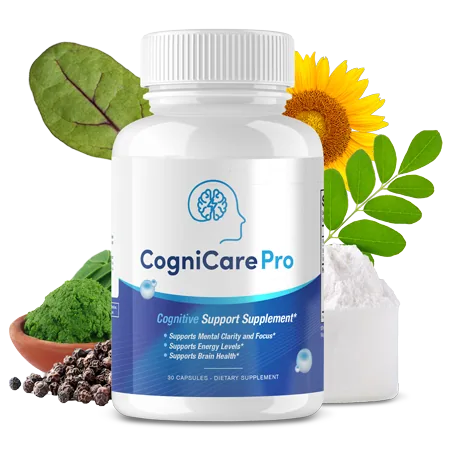
CogniCare Pro Review: Does It Really Work for Memory and Focus?
Capsule dietary supplement sold through the official website with multi-bottle discounts and a 90-day refund; vendor brain-health claims are not independently verified.
Read the reviewFrequently Asked Questions About Huperzia Serrata (Huperzine A)
Does Huperzia serrata really work?
The evidence is limited. Some trials in people with Alzheimer's disease reported small improvements on cognitive tests. However, most were low quality, and a Cochrane review judged the evidence insufficient. There is little reliable evidence of a memory benefit in healthy people.
Is Huperzia serrata safe?
Short-term use was generally tolerated in studies, but long-term safety is not well known. Side effects can include nausea, diarrhea, dizziness, sweating and a slowed heart rate. It can interact with several medicines, so ask a doctor or pharmacist first.
What is the difference between Huperzia serrata and huperzine A?
Huperzia serrata is the plant. Huperzine A is the active compound extracted from it, or made synthetically. Most research used purified huperzine A, so results may not apply to a plant powder with an unknown amount.
Can I take it with Alzheimer's medicine?
This needs a doctor's advice. Prescription drugs like donepezil work in a similar way, so taking both may increase side effects. Do not add it to your medicines on your own.
How long does it take to notice any effect?
Trials generally lasted several weeks to a few months. Any effect on memory measures was small, and it is not clear that healthy people would notice anything. Do not expect fast or dramatic results.
Sources
- Huperzine A for Alzheimer's disease — Cochrane Library summary (CD005592)
- Huperzine A for Alzheimer's Disease: A Systematic Review and Meta-Analysis of Randomized Clinical Trials — PubMed
- Huperzia serrata — Memorial Sloan Kettering Cancer Center
- Huperzine A — Drugs.com Natural Products
- Huperzine A's therapeutic uses — EBSCO Research Starters
Last reviewed: