Choline: Benefits, Research & Safety
Choline is an essential nutrient that the body needs to build cell membranes, make the neurotransmitter acetylcholine and handle fats. The body makes a little, but most people must get the rest from food. People take choline supplements to fill dietary gaps, and some take them for pregnancy nutrition or for memory and focus.
Choline Ingredient Guide
Also known as: Choline bitartrate, Choline chloride, Citicoline (CDP-choline), Alpha-GPC (glycerylphosphorylcholine), Phosphatidylcholine, Lecithin
- What it is
- Choline is a water-soluble, vitamin-like essential nutrient. It is not a true vitamin, but the body cannot make enough of it to meet its needs.
- What it does
- Choline is used to build cell membrane fats such as phosphatidylcholine. It is also a precursor of acetylcholine, which nerves use for memory, muscle control and other functions. It also helps move fats out of the liver and supplies methyl groups.
- How it is used
- People use it as a standalone supplement, in prenatal and multivitamin products, and in brain or focus formulas. Dietary intake is the main way most people get it.
- Natural sources and forms
- Food sources include eggs, beef, chicken, fish, soybeans and some vegetables. Supplement forms include choline bitartrate, choline chloride, phosphatidylcholine/lecithin, alpha-GPC and citicoline. They differ in how much actual choline each gram provides.
- Why it appears in formulas
- Makers add it to prenatal products because needs rise in pregnancy. They add it to brain and focus blends because of its role in acetylcholine. It is also added to general multivitamins because many people eat less than the adequate intake.
- What to know before use
- High amounts can cause low blood pressure, sweating, digestive upset and a fishy body odor. Check your total intake from food and supplements against the upper limit, and talk to a clinician first if you are pregnant, have liver or kidney disease, or take regular medicines.
What the Research Says
Overall: Moderate evidence
Choline's status as an essential nutrient is well established. The US National Academies set adequate intake (AI) levels of 550 mg/day for adult men and 425 mg/day for adult women. Surveys summarized by the NIH Office of Dietary Supplements found average food intakes around 402 mg in men and 278 mg in women, so many people fall short.
The evidence for benefits beyond meeting basic needs is weaker. Human studies of choline in pregnancy are promising but small and inconsistent. One review found only a few randomized trials, with mostly null results across the many outcomes measured. A newer randomized trial of 206 pregnant women reported higher child cognitive scores at age 4 with phosphatidylcholine. A different earlier trial found no benefit to infant brain function. Many other studies are observational, so they cannot prove cause and effect.
Research on brain-focused forms such as citicoline and alpha-GPC is mostly small, short and varied in design. Much of the animal and test-tube work does not carry over reliably to people. Choline has also been studied in relation to liver health, heart health and cancer risk, with mixed results. Overall, the evidence supports getting enough choline. It does not support supplements as a proven way to boost memory or treat any condition.
| Studied for | What the research says | Evidence |
|---|---|---|
| Meeting basic needs | Choline is essential, and many adults eat less than the adequate intake. Deficiency can cause liver fat buildup and muscle damage. | Strong evidence |
| Pregnancy and child development | Some trials suggest better child attention or cognition with higher maternal choline, but results across trials are mixed and often null. | Limited evidence |
| Memory and thinking in adults | Studies of citicoline and alpha-GPC are small and varied. They give inconsistent results in healthy adults and are not enough to draw firm conclusions. | Limited evidence |
| Heart health | Gut bacteria turn choline into TMAO, which has been linked to heart disease risk in observational work. Whether dietary choline raises that risk in people is unclear. | Early evidence |
Did you know? Most adults eat less choline than recommended
National surveys summarized by the NIH found that average choline intake is below the adequate intake for both men and women. Eggs are among the richest common sources, and the yolk holds the choline. Plant-based diets can be especially low unless soy, legumes and certain vegetables are chosen.
Amounts Used in Studies
These are amounts researchers used, not dosing advice. Ask your doctor or pharmacist what is right for you.
| Form | Amount | Study context |
|---|---|---|
| Total dietary choline (adequate intake) | 425 mg/day for women, 550 mg/day for men (450 mg in pregnancy, 550 mg while breastfeeding) | Set by the US National Academies as intake levels for healthy people. These are not treatment amounts. |
| Choline in a pregnancy feeding trial | 930 mg/day vs 480 mg/day | Third-trimester comparison in a controlled feeding trial with later follow-up of child attention. |
| Upper limit for adults (food and supplements combined) | 3,500 mg/day | Set to reduce risks like low blood pressure and fishy odor. Lower limits apply to children. |
Safety, Side Effects and Interactions
Choline from food is considered safe. Supplements are generally well tolerated at amounts near the adequate intake, but taking a lot can cause problems. The NIH Office of Dietary Supplements lists a tolerable upper intake level of 3,500 mg/day for adults, covering food, drinks and supplements combined. Lower limits apply to children, such as 1,000 mg/day for ages 1 to 3. One source I found, Harvard's Nutrition Source, says no upper limit has been established, so check the current NIH fact sheet.
Reported side effects at high amounts include a fishy body odor, sweating, drooling, nausea, vomiting, diarrhea and low blood pressure. Some forms, such as choline bitartrate, are more likely to cause fishy odor. Gut bacteria convert choline to trimethylamine and then TMAO. TMAO has been linked to cardiovascular risk in observational studies, but a causal role is not proven. Long-term safety data for high-dose supplements, including alpha-GPC and citicoline, are limited. Safety data in pregnancy come mostly from short-term trials. Choose products that state the actual choline amount per serving, and tell your clinician about any supplements you use.
Possible interactions
- Choline can add to the effects of blood pressure medicines, because high amounts may lower blood pressure.
- Medicines with cholinergic or anticholinergic effects (for example some Alzheimer's drugs or bladder medicines) could in theory be affected by choline-based supplements. Ask a pharmacist.
- Folate, vitamin B12 and betaine share methyl-group pathways with choline, so changes in one can affect the others.
- Other supplements that change acetylcholine activity, such as huperzine A, may overlap in effect with citicoline or alpha-GPC.
Avoid it or ask a doctor first if
- Pregnant or breastfeeding, unless your clinician recommends a specific amount
- Liver or kidney disease
- Trimethylaminuria (fish odor syndrome)
- Low blood pressure or taking blood pressure medicines
- Taking Alzheimer's or other cholinergic medicines
- History of stroke or heart disease, without medical advice
- Giving to children in amounts above their age-based limit
Supplements We've Reviewed That Contain Choline
Each review checks the full formula, price, refund policy and side effects.

Resveraburn Review: Does It Work, and Is It Legit?
A capsule supplement sold on its official website and marketed for liver and fat-metabolism support; the official page itself gives little verifiable detail.
Read the review
HepatoBurn Review: Does It Really Work for Weight Loss?
Liver-focused dietary supplement marketed for metabolism and fat loss; the official sales page is a video presentation with no stated ingredients, price, vendor or refund terms.
Read the review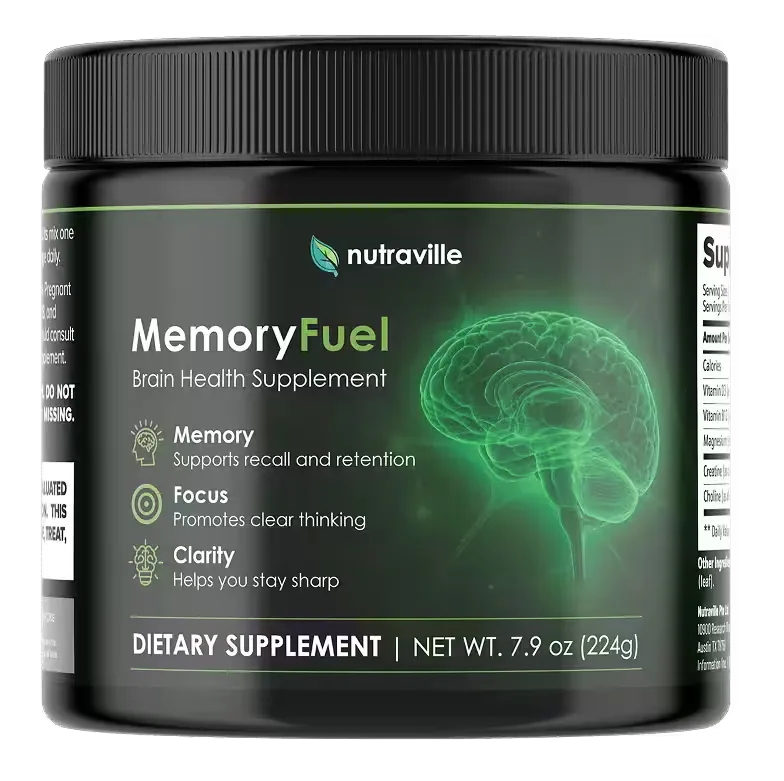
MemoryFuel Review: Does It Really Support Healthy Memory?
Daily powdered supplement marketed to support memory function and brain health, sold through the official website with a 90-day money-back guarantee.
Read the reviewFrequently Asked Questions About Choline
Does choline really work?
Choline is clearly essential, and getting enough supports normal cell, liver and nerve function. Research on extra choline for memory, focus or child brain development is mixed and often small. It may help people who are not getting enough, but it is not a proven brain booster.
Is choline safe?
Choline from food is safe for most people, and supplements are generally tolerated at moderate amounts. High amounts can cause low blood pressure, sweating, digestive upset and a fishy odor. The adult upper limit set by US authorities is 3,500 mg/day from all sources combined.
Which food sources of choline are best?
Eggs, beef, chicken, fish and soybeans are among the richest sources. Smaller amounts come from dairy, beans, nuts and cruciferous vegetables. People who eat few animal foods may find it harder to meet the adequate intake.
What is the difference between choline bitartrate, alpha-GPC and citicoline?
They are different carriers of choline, and they supply different amounts of actual choline per gram. Alpha-GPC and citicoline are mostly marketed for brain support, but the human evidence is limited. Check the label for the actual choline per serving.
Do I need a choline supplement in pregnancy?
Needs are higher in pregnancy (450 mg/day adequate intake), and many prenatal vitamins contain little or no choline. Food is the main source, so ask your clinician whether your diet or supplement covers it. Trial results on added choline are mixed, so don't take extra without advice.
Sources
- Choline: Fact Sheet for Consumers — NIH Office of Dietary Supplements
- Choline: Fact Sheet for Health Professionals — NIH Office of Dietary Supplements
- Choline — Harvard T.H. Chan School of Public Health, The Nutrition Source
- Choline — Linus Pauling Institute, Oregon State University
- Dietary Reference Intakes for choline — National Academies Press (NCBI Bookshelf)
- Prenatal supplement linked to improved child cognition and social behavior — CU Anschutz
Last reviewed: