Alpha-GPC: Benefits, Research & Safety
Alpha-GPC (L-alpha-glycerylphosphorylcholine, also called choline alfoscerate) is a choline-containing compound. People take it hoping to support memory, focus and exercise performance. Most of the research is in older adults with cognitive problems, and results in healthy people are mixed.
Alpha-GPC Ingredient Guide
Also known as: Alpha-glycerylphosphorylcholine, L-alpha-glycerylphosphorylcholine, Choline alfoscerate, Glycerophosphocholine, GPC
- What it is
- Alpha-GPC is a water-soluble compound made of choline and glycerol phosphate. It is found in small amounts in the body and in some foods, and is sold as a supplement.
- What it does
- It is thought to supply choline, which the body uses to make acetylcholine, a chemical messenger involved in memory and muscle control. It is also a building block for cell membranes.
- How it is used
- People take it as capsules or powder, often for mental focus or before workouts. In some countries a prescription form (choline alfoscerate) has been studied in clinics for cognitive decline.
- Natural sources and forms
- Supplement alpha-GPC is usually made from soy lecithin or produced synthetically. It is typically sold as a powder or as a percentage-standardized product, and the labeled percentage affects how much choline you actually get.
- Why it appears in formulas
- Makers add it to nootropic (focus) and pre-workout products as a choline source. It is marketed for mental clarity and physical performance, though the evidence for these uses is limited.
- What to know before use
- A large Korean observational study linked alpha-GPC prescriptions to a higher stroke risk. This is not proof of cause, but anyone with heart or stroke risk factors should talk to a doctor first.
What the Research Says
Overall: Limited evidence
Most human research on alpha-GPC comes from older adults with dementia, stroke or other cerebrovascular problems. A systematic review in the Journal of Alzheimer's Disease reported that alpha-GPC, alone or with donepezil, was linked to better cognition and function in people with these conditions. Another meta-analysis comparing alpha-GPC with citicoline pooled only three randomized trials and 358 participants.
These trials are generally small, many are older, and reviewers keep calling for larger, better-designed studies. Alpha-GPC is often used alongside other treatments, which makes the effect of the ingredient itself hard to separate.
In healthy adults, the research is thin. One small crossover trial in young men found a short-term cognitive boost after a single dose. Exercise studies are small and inconsistent. Some report gains in force or jump power, while a larger study found no differences in growth hormone.
So far, no strong evidence shows that alpha-GPC improves memory or performance in healthy people. Any benefit seen in patient groups should not be assumed to apply to healthy supplement users.
| Studied for | What the research says | Evidence |
|---|---|---|
| Cognition in cognitive decline or after stroke | Meta-analyses of mostly small trials suggest possible improvements in cognition and daily function in people with dementia or cerebrovascular injury. Reviewers say study quality is limited and larger trials are needed. | Limited evidence |
| Cognition in healthy adults | A small crossover trial in young men reported a short-term cognitive boost after a single dose. Evidence in healthy people overall is sparse and mixed. | Early evidence |
| Strength and power output | Small trials report mixed results. Some found improved force or jump power at certain amounts, while others found no strength differences. | Limited evidence |
| Growth hormone response to exercise | An early conference abstract reported a growth hormone rise after a single dose, but a later larger study did not find group differences. The finding is not consistently replicated. | Early evidence |
Did you know? Alpha-GPC is both a supplement and a medicine abroad
In some countries, choline alfoscerate, the same compound as alpha-GPC, is a prescription product studied in clinics for cognitive decline. In the US it is sold as a dietary supplement, which is not reviewed for effectiveness before sale.
Amounts Used in Studies
These are amounts researchers used, not dosing advice. Ask your doctor or pharmacist what is right for you.
| Form | Amount | Study context |
|---|---|---|
| Alpha-GPC (choline alfoscerate) in clinical trials | Often around 1,200 mg/day, given in divided doses | Trials in older adults with cognitive impairment or after stroke, typically lasting months. Verify exact amounts in each study. |
| Alpha-GPC, single dose before exercise | About 250 to 600 mg | Small acute trials in young, trained men looking at power, strength and hormone responses |
| Alpha-GPC, cognitive testing | A single dose in the hundreds of milligrams | A small crossover trial in healthy young men measuring short-term cognitive performance |
Safety, Side Effects and Interactions
Side effects in clinical studies have been described as sparse and usually mild. Reported effects with choline-type supplements include heartburn, nausea, stomach upset, headache, dizziness, insomnia and skin rash. Very high total choline intake can cause a fishy body odor, sweating, low blood pressure and diarrhea. The NIH sets an adult upper limit for total choline of 3.5 g/day, but confirm this on the NIH Office of Dietary Supplements site.
The main open safety question comes from a 2021 JAMA Network Open study of over 12 million older adults in Korea. People who filled alpha-GPC prescriptions had a higher risk of stroke, with a dose-response pattern. The proposed link is a gut-bacteria byproduct of choline called TMAO. This was an observational study, so it cannot show cause, and a later analysis criticized its methods. A separate 2025 nationwide study in people with mild cognitive impairment found the opposite direction. The question is unresolved.
Safety data for pregnancy, breastfeeding and long-term use in healthy people are limited. Supplement quality and the actual choline content can vary between products.
Possible interactions
- Cholinergic drugs, such as donepezil, may have additive effects when combined with alpha-GPC, so ask a prescriber first.
- Anticholinergic medicines may work against the effects of alpha-GPC, and the reverse is also possible.
- Blood pressure medicines may interact, since high choline intake can lower blood pressure in some people.
- Other choline-containing supplements, such as citicoline, add to your total choline intake.
- Alpha-GPC has been studied alongside medicines for cognitive decline. Do not combine it with prescription drugs without medical advice.
Avoid it or ask a doctor first if
- You have a history of stroke or high stroke risk, unless your doctor approves
- You have heart disease or low blood pressure
- You are pregnant or breastfeeding
- You take medicines for dementia, Parkinson's disease or other nervous system conditions
- You are under 18
- You are scheduled for surgery
Supplements We've Reviewed That Contain Alpha-GPC
Each review checks the full formula, price, refund policy and side effects.
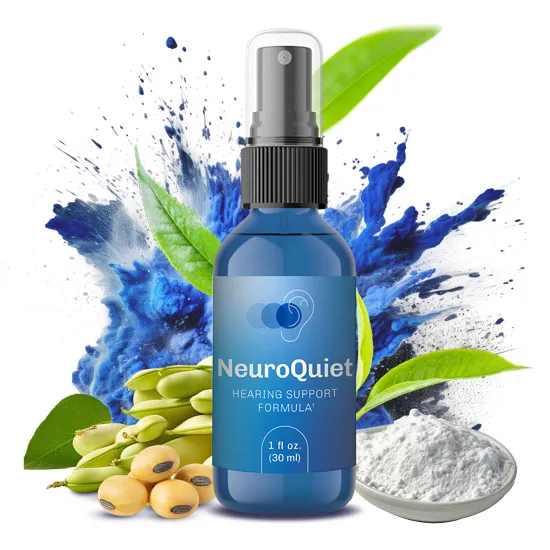
NeuroQuiet Review: Does This Oral Spray Really Work for Hearing and Tinnitus?
An oral-spray dietary supplement sold on the official website with claims to support hearing, mood, and energy; the claims are not backed by independent evidence found in this research.
Read the reviewFrequently Asked Questions About Alpha-GPC
Does Alpha-GPC really work?
In older adults with cognitive decline or cerebrovascular problems, small trials suggest possible benefits, but the evidence is limited. In healthy people, results are mixed and mostly come from small studies. It is not proven to boost memory or performance in healthy adults.
Is Alpha-GPC safe?
Short-term side effects reported in studies are usually mild, such as stomach upset, headache and dizziness. A large Korean observational study linked it to higher stroke risk, though it can't prove cause and its methods were criticized. Check with a doctor before use, especially if you have heart or stroke risk factors.
What is the difference between Alpha-GPC and citicoline?
Both are choline-containing compounds studied for brain health. They are different molecules, and a meta-analysis comparing them in dementia pooled only three small trials. Neither has been shown to be clearly better for healthy people.
Can Alpha-GPC help with workouts?
Small studies have tested it for strength, power and growth hormone, with inconsistent results. Some found gains at specific amounts, and others found none. Evidence is early and not enough to expect a reliable effect.
Can I get choline from food instead?
Yes. Eggs, meat, fish, soybeans and some vegetables supply choline. Alpha-GPC is one way to add choline, but food sources have a longer safety record. Check the NIH Office of Dietary Supplements for daily intake targets.
Sources
- Association of L-α Glycerylphosphorylcholine With Subsequent Stroke Risk After 10 Years — JAMA Network Open (PubMed)
- Acute Alpha-Glycerylphosphorylcholine Supplementation Enhances Cognitive Performance in Healthy Men — Nutrients (PubMed)
- Alpha-GPC systematic review and meta-analysis in cerebrovascular injury — Journal of Alzheimer's Disease
- Alpha-GPC compared with citicoline in dementia, meta-analysis — Frontiers in Neurology
- Evaluation of the effects of two doses of alpha glycerylphosphorylcholine on physical and psychomotor performance — PubMed
- Alpha-GPC and exercise performance study — PubMed Central
Last reviewed: