L-Carnitine: Benefits, Research & Safety
L-carnitine is a compound your body makes and also gets from foods such as red meat and dairy. People take it as a supplement hoping to support energy use, exercise performance and weight management. Research is mixed, and most healthy people already make enough.
L-Carnitine Ingredient Guide
Also known as: carnitine, levocarnitine, acetyl-L-carnitine, L-carnitine L-tartrate, propionyl-L-carnitine
- What it is
- L-carnitine is an amino-acid-like compound made in the liver and kidneys and found in foods, especially red meat and dairy. It is also sold as a dietary supplement and, as levocarnitine, as a prescription medicine.
- What it does
- It helps carry long-chain fatty acids into the mitochondria, the cell's energy-producing structures, where they can be used for energy. This role is well established, but it does not automatically mean extra supplements boost fat burning.
- How it is used
- It is taken as capsules, tablets, powders, liquids or drops, often in weight-management, sports and energy products. It is usually taken daily for weeks to months in studies.
- Natural sources and forms
- Food sources include beef, pork, fish, poultry and dairy. Supplement forms include L-carnitine (base or tartrate), acetyl-L-carnitine and propionyl-L-carnitine. Absorption from supplements is much lower than from food.
- Why it appears in formulas
- Makers add it to weight-management and energy blends because of its role in fat metabolism and small weight effects seen in some trials. Amounts in combination products are often lower than those used in studies.
- What to know before use
- Talk to a doctor first if you have kidney disease, a seizure disorder, thyroid problems or take blood thinners. Doses of about 3 g/day or more are linked to stomach upset and fishy body odor.
What the Research Says
Overall: Moderate evidence
The human research on L-carnitine is fairly large, but results depend on the goal and the population studied.
For body weight, several meta-analyses of randomized trials found a small average reduction of about 1 to 1.3 kg compared with control groups. One large review pooled 37 trials with 2,292 participants. Effects were clearest in adults with overweight or obesity, results varied a lot between trials, and one review suggested the effect may shrink over longer use. Several reviews found no clear change in body fat percentage or waist size.
For exercise, results are mixed. Some small studies looked at recovery and muscle soreness with L-carnitine L-tartrate, while evidence for better performance in healthy people is limited. Other forms, such as propionyl-L-carnitine and acetyl-L-carnitine, have been studied for circulation and brain-related outcomes, but results are not consistent enough to draw firm conclusions.
It is a prescription treatment for diagnosed carnitine deficiency, which is a different situation from the general use of supplements. Many trials are short, small or use different forms and amounts. Note that the weight findings above come from reviews I read only as abstracts or summaries.
| Studied for | What the research says | Evidence |
|---|---|---|
| Body weight | Meta-analyses of randomized trials found an average loss of roughly 1 kg more than controls, mostly in people with overweight or obesity. Results varied between trials and the effect may fade over time. | Moderate evidence |
| Body fat and waist size | Some reviews reported small reductions in BMI or fat mass, but others found no change in body fat percentage or waist circumference. | Limited evidence |
| Exercise performance and recovery | Small trials looked at muscle soreness and recovery, with mixed results. Benefits for performance in healthy people are not firmly established. | Limited evidence |
| Carnitine deficiency | Levocarnitine is used medically for diagnosed carnitine deficiency. The body normally makes enough in healthy people, so this does not show benefit for the general population. | Strong evidence |
Did you know? Food usually supplies more than a pill
Your body absorbs a much larger share of carnitine from food than from supplements. According to the NIH Office of Dietary Supplements, healthy people make enough in the liver and kidneys, so they do not need extra from food or pills. Vegetarians tend to have lower intakes but are usually not deficient.
Amounts Used in Studies
These are amounts researchers used, not dosing advice. Ask your doctor or pharmacist what is right for you.
| Form | Amount | Study context |
|---|---|---|
| L-carnitine (various forms) | About 2 g/day | A dose-response analysis of weight-loss trials in adults suggested the largest effect near this amount; trials ran from weeks to months. |
| L-carnitine supplements | 3 g/day or more | Amounts at which nausea, vomiting, cramps, diarrhea and fishy body odor have been reported. |
Safety, Side Effects and Interactions
At moderate amounts, L-carnitine is generally well tolerated in short-term studies. The most common side effects are nausea, vomiting, stomach cramps and diarrhea. At about 3 g/day or more, a fishy body odor can also occur.
The NIH Office of Dietary Supplements notes that high amounts can worsen muscle weakness in people with chronic kidney disease and may raise seizure risk in people with seizure disorders. Rare seizure reports have also appeared in people without a history of seizures, though a cause has not been established.
Gut bacteria convert carnitine to trimethylamine, which the liver turns into TMAO, a compound linked in observational research to cardiovascular risk. Whether supplements raise heart risk is still debated and not settled.
Long-term safety data for supplement use, especially in combination weight-loss products, are limited. Products are not reviewed by the FDA before sale, so quality and actual content can vary. Pregnant or breastfeeding women and children should not use it without medical advice.
Possible interactions
- Blood thinners such as warfarin or acenocoumarol: carnitine may theoretically increase their effect, so ask your doctor about monitoring.
- Anticonvulsants such as valproic acid can lower carnitine levels, and carnitine may affect seizure control in people who are prone to seizures.
- Thyroid hormone medicines: carnitine may reduce their effect according to some sources, though the evidence is thin.
- Some other medicines can change carnitine levels, so tell your pharmacist about all supplements you take.
Avoid it or ask a doctor first if
- Seizure disorder or history of seizures
- Chronic kidney disease or dialysis, unless directed by a doctor
- Underactive thyroid or taking thyroid medicine
- Taking warfarin or other blood thinners
- Pregnant or breastfeeding
- Heart disease, without medical advice
Supplements We've Reviewed That Contain L-Carnitine
Each review checks the full formula, price, refund policy and side effects.
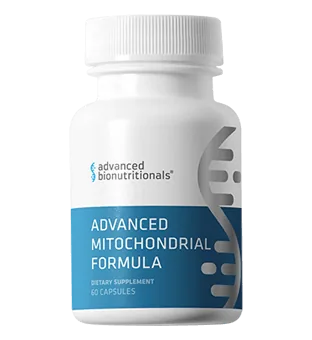
Advanced Mitochondrial Formula Review: Is It Legit and Does It Work?
A mitochondria-focused supplement with niacinamide, D-ribose, PQQ and eight other nutrients, sold on the official website with a 90-day refund offer.
Read the review
Metabo Drops Review: Does This Fat Burning Coffee Drop Really Work?
Coffee-add liquid drops marketed for fat burning; the official sales page is video-only with no ingredient list or price.
Read the review
Java Burn Review: Does This Coffee Supplement Really Boost Metabolism?
A tasteless supplement the vendor says boosts metabolism and fat-burning when added to daily coffee.
Read the reviewFrequently Asked Questions About L-Carnitine
Does L-carnitine really work?
Research suggests a small average weight reduction of about 1 kg in some trials, mostly in adults with overweight or obesity. Results vary, and evidence for other uses such as exercise performance is limited. It is not a substitute for diet and activity changes.
Is L-carnitine safe?
At moderate amounts it is generally well tolerated in short-term studies, but it can cause stomach upset and fishy body odor. People with seizure disorders, kidney disease or thyroid problems, and those taking blood thinners, should ask a doctor first. Long-term safety, including the TMAO question, is not fully settled.
What is the difference between L-carnitine and acetyl-L-carnitine?
Both are forms of carnitine. Acetyl-L-carnitine has an added acetyl group and is studied more for brain-related outcomes, while plain L-carnitine and the tartrate form are used more in weight and exercise research.
Can I get enough carnitine from food?
Yes, most healthy people make what they need, and foods like beef, fish and dairy add more. Supplements are not necessary for most people.
Does L-carnitine cause a fishy smell?
It can. The NIH Office of Dietary Supplements lists fishy body odor among effects seen at about 3 g/day or more, along with nausea and diarrhea.
Sources
- Carnitine — NIH Office of Dietary Supplements (consumer fact sheet)
- Carnitine — NIH Office of Dietary Supplements (health professional fact sheet)
- L-carnitine supplementation and body weight meta-analysis — PubMed
- L-carnitine supplementation and body weight meta-analysis (2019 review) — PubMed
- L-carnitine supplementation and weight loss (2016 review) — PubMed
Last reviewed: