Hibiscus sabdariffa: Benefits, Research & Safety
Hibiscus sabdariffa, also called roselle, is a tropical plant. Its deep-red calyces (the part around the flower) are used to make tart teas, drinks and supplement extracts. People take it mainly for heart-health reasons, especially blood pressure.
Hibiscus (Hibiscus sabdariffa) Ingredient Guide
Also known as: Roselle, Hibiscus sabdariffa L., Red sorrel, Jamaica flower (flor de Jamaica), Karkade
- What it is
- Hibiscus sabdariffa is a shrub in the mallow family. The dried calyces are used in teas, beverages and supplements.
- What it does
- It is rich in anthocyanins and other polyphenols, plus organic acids. Researchers think these may relax blood vessels, act as mild diuretics, and have antioxidant effects, though the exact mechanisms are not settled.
- How it is used
- It is most often drunk as a tea or taken as a capsule of powdered calyx or extract. It is also a common ingredient in blends for heart and metabolic health.
- Natural sources and forms
- The main source is the dried calyx. Forms include tea, powdered calyx, and water or alcohol extracts. Standardization is inconsistent between products, and few products state anthocyanin content.
- Why it appears in formulas
- Makers add it for its possible blood pressure and cholesterol support and for its polyphenol content. It also adds a tart flavor and red color to drink mixes.
- What to know before use
- Hibiscus may lower blood pressure, so talk to a doctor first if you take blood pressure medicines or have low blood pressure. Avoid it in pregnancy.
What the Research Says
Overall: Moderate evidence
The best-studied area is blood pressure. Several meta-analyses of randomized controlled trials have pooled small to mid-sized trials, typically lasting a few weeks to a few months. One 2022 meta-analysis of 13 trials (about 1,200 people) reported average reductions of roughly 6.7 mm Hg in systolic and 4.4 mm Hg in diastolic pressure compared with placebo. An earlier pooled analysis of five trials reported a systolic drop of about 7.6 mm Hg.
The results should be read with caution. Differences between studies were very high (I² often above 90%). Trials used different preparations, amounts and populations. Many were small, and some had short durations. Effects appeared larger in people who started with higher blood pressure. One review found it was not superior to antihypertensive drugs.
Evidence for cholesterol, blood sugar, weight and liver health is much thinner. It is mixed, comes from small trials, and is often poorly standardized. Most claims for other uses rest on animal or test-tube work, which cannot show the same effects in people. Long-term safety and effectiveness have not been well established.
| Studied for | What the research says | Evidence |
|---|---|---|
| Blood pressure | Meta-analyses of randomized trials report average drops of about 5 to 8 mm Hg in systolic pressure versus placebo. Results varied widely between studies, and effects seem larger when baseline pressure is high. | Moderate evidence |
| Cholesterol and blood fats | Small trials have given mixed results for LDL, HDL and triglycerides. Overall evidence is inconsistent. | Limited evidence |
| Blood sugar and metabolic health | Some small studies in people with type 2 diabetes or metabolic syndrome looked at glucose markers, with inconsistent findings. One review found little blood pressure effect in metabolic syndrome. | Limited evidence |
| Weight and body composition | A few short trials looked at body weight and waist size. Findings are preliminary and not reliable enough to draw conclusions. | Early evidence |
| Antioxidant activity | Lab and animal studies show antioxidant effects of its polyphenols. Whether this leads to health benefits in people is not established. | Early evidence |
Did you know? The red in 'red drinks'
The ruby color of hibiscus tea comes from anthocyanins, the same type of plant pigments found in berries. Hibiscus drinks are popular worldwide, known as karkade in Egypt and Sudan, and agua de Jamaica in Mexico.
Amounts Used in Studies
These are amounts researchers used, not dosing advice. Ask your doctor or pharmacist what is right for you.
| Form | Amount | Study context |
|---|---|---|
| Dried calyx tea | About 2 to 3 cups (roughly 240 mL each) per day, made from a few grams of calyx per cup | Trials lasting about 2 to 12 weeks in adults with mildly raised blood pressure; preparations varied |
| Calyx extract or powder in capsules | Varied widely, often several hundred mg to a few grams per day | Short to medium trials; products and standardization differed, so amounts are not directly comparable |
Safety, Side Effects and Interactions
Hibiscus tea and calyx extracts have generally been well tolerated in short-term human studies, with mild side effects reported such as stomach upset, gas, nausea, headache or dizziness. Because it may lower blood pressure, some people could feel lightheaded, especially if they also use blood pressure medicines.
Safety in pregnancy and breastfeeding has not been established, and sources advise avoiding it. Some animal studies suggest possible effects on hormones and fertility, but human evidence is lacking. Very high amounts of extract have raised liver safety questions in animal studies, so long-term, high-dose use is not well studied in people. Stop use and seek medical advice if you notice yellowing of the skin or eyes, dark urine, or unusual fatigue.
As with other supplements, product quality varies. Tell your healthcare provider about any hibiscus products you use, and stop use before planned surgery if advised, since it may affect blood pressure control.
Possible interactions
- Blood pressure medicines (including ACE inhibitors, diuretics and others): hibiscus may add to the blood pressure-lowering effect.
- Hydrochlorothiazide: in animal studies, hibiscus extract raised blood levels of the drug and slowed its clearance. Human evidence is weak, so ask your clinician.
- Other herbs or supplements that lower blood pressure may have an additive effect.
- Diabetes medicines: small effects on blood sugar are possible, so monitoring may be needed.
- Drug references list possible interactions with diclofenac, simvastatin, erlotinib and caffeine, but clinical effects have not been well evaluated.
Avoid it or ask a doctor first if
- Pregnant or trying to conceive
- Breastfeeding
- Low blood pressure or prone to fainting
- Taking blood pressure or diabetes medicines (ask a doctor first)
- Planned surgery within about 2 weeks (ask your doctor)
- Existing liver disease (ask a doctor first)
Supplements We've Reviewed That Contain Hibiscus (Hibiscus sabdariffa)
Each review checks the full formula, price, refund policy and side effects.
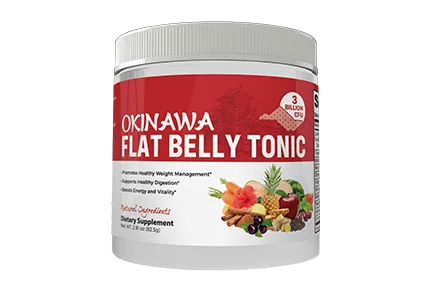
Okinawa Flat Belly Tonic Review: Does It Really Work for Weight Loss?
A daily powdered weight-loss supplement sold only through the official website, with a 90-day money-back guarantee stated on the sales page.
Read the reviewFrequently Asked Questions About Hibiscus (Hibiscus sabdariffa)
Does Hibiscus sabdariffa really work?
Research suggests it may modestly lower blood pressure, with meta-analyses of trials showing average drops of around 5 to 8 mm Hg in systolic pressure. However, studies varied a lot in quality and design, and evidence for other uses is limited. It is not a replacement for prescribed treatment.
Is Hibiscus sabdariffa safe?
Hibiscus tea and extracts are generally well tolerated in short-term studies, with mild stomach or head symptoms. It may interact with blood pressure medicines and should be avoided in pregnancy. Long-term safety of concentrated extracts is not well studied.
Can hibiscus tea replace blood pressure medicine?
No. One meta-analysis found it was not superior to antihypertensive drugs, and trial results varied widely. Never change or stop a prescribed medicine without speaking to your doctor.
How long does it take to see an effect?
Most blood pressure trials lasted from a few weeks to about three months, so those are the timeframes studied. Individual responses vary, and some people notice no change.
Is hibiscus sabdariffa the same as the hibiscus in garden plants?
No. Hibiscus is a large genus, and the roselle species, H. sabdariffa, is the one used for tea and supplements. Ornamental garden hibiscus varieties are different species and are not studied in the same way.
Sources
- Hibiscus sabdariffa and blood pressure: meta-analysis — PubMed (2015)
- Hibiscus sabdariffa and blood pressure, Nutrition Reviews meta-analysis — University of Sheffield/White Rose eprints
- Hibiscus sabdariffa meta-analysis — PubMed Central
- Hibiscus: interactions and safety — Drugs.com
- Hibiscus (Parts Used and Where Grown) — University of Michigan Health
- Hibiscus sabdariffa and hydrochlorothiazide pharmacokinetics — PubMed
Last reviewed: