Beet Root: Benefits, Research & Safety
Beet root is the deep-red root of the beet plant. It is eaten as a vegetable and sold as juice, powder and capsules. People take it mainly because it is rich in dietary nitrate, which the body can convert to nitric oxide, a molecule involved in blood vessel widening. It is most often studied for exercise performance and blood pressure.
Beet Root Ingredient Guide
Also known as: Beetroot, Red beet, Beta vulgaris, Garden beet
- What it is
- Beet root is the edible taproot of Beta vulgaris. It contains dietary nitrate, betalain pigments (which give the red color), potassium and some oxalate.
- What it does
- Gut and mouth bacteria convert dietary nitrate to nitrite, which the body can turn into nitric oxide. Nitric oxide is thought to relax blood vessels and may make muscles use oxygen more efficiently.
- How it is used
- It is taken as juice (often a concentrated shot), as powder mixed into drinks, or in capsules. Athletes often use it before exercise, and others use it as a daily food-based supplement.
- Natural sources and forms
- The sources are whole beets, beet juice, concentrated juice and dried powder. Nitrate content varies a lot by product and is not always listed, so two products labeled beet root can differ greatly.
- Why it appears in formulas
- Makers add it as a plant-based nitrate source to support a circulation or stamina story. It also gives a natural red color and a whole-food image.
- What to know before use
- Beets are high in oxalate, so people prone to kidney stones should check with a doctor first. Anyone on blood pressure medicines should also ask, since nitrate may add to their effect.
What the Research Says
Overall: Moderate evidence
Most human research looks at nitrate-rich beet juice rather than capsules or powders of unknown nitrate content. Studies are mostly small, short crossover trials in healthy adults, athletes or specific patient groups.
For exercise, a 2016 meta-analysis found a small overall benefit from nitrate, with larger effects from beet juice or high-nitrate food than from nitrate salts, and mainly in efforts lasting a few minutes. A 2017 systematic review in older adults covered 12 small crossover trials. It reported fairly consistent gains in time to exhaustion but mixed results for blood pressure, thinking skills and blood sugar.
For blood pressure, results are inconsistent. Some reviews found small drops, while a recent meta-analysis in athletes found no significant change in blood pressure or several performance markers despite higher plasma nitrite. Effects seem more likely in people with raised blood pressure than in healthy athletes.
Overall, there is reasonable evidence for a small effect on endurance in some settings. Evidence for long-term health outcomes is limited. Many trials used juice delivering roughly 6 to 12 mmol of nitrate, so results may not carry over to low-nitrate products.
| Studied for | What the research says | Evidence |
|---|---|---|
| Exercise performance | A meta-analysis found a small improvement in performance with nitrate, with beet juice showing larger effects, especially in efforts of about 2 to 10 minutes. Results in highly trained athletes are less consistent. | Moderate evidence |
| Blood pressure | Some trials and reviews report small reductions, while others, including a recent athlete meta-analysis, found no significant change. Effects appear small and variable. | Limited evidence |
| Older adults' stamina and circulation | A systematic review of 12 small trials found improved time to exhaustion in several studies, with mixed results for blood flow and blood pressure. | Limited evidence |
| Thinking and blood sugar | Findings on reaction time and brain blood flow were mixed or from single small studies, and two studies found no benefit for insulin sensitivity or glucose. | Early evidence |
Did you know? Why beets can turn urine pink
Beeturia is caused by betalain pigments in beets that some people do not fully break down. It happens in only a minority of people and is usually harmless. Stomach acid level and iron status are thought to influence how likely it is.
Amounts Used in Studies
These are amounts researchers used, not dosing advice. Ask your doctor or pharmacist what is right for you.
| Form | Amount | Study context |
|---|---|---|
| Beet juice (nitrate-based) | About 6 to 12 mmol nitrate, typically 70 to 250 mL juice | Single doses 2 to 3 hours before exercise or testing, or daily for several days to 2 weeks in older adults and patient groups |
| Beet juice, larger volume | 500 mL (about 8.5 to 9 mmol nitrate) | Single or 3-day use in small trials in healthy or peripheral artery disease volunteers |
| Beetroot gel | 100 g (about 12 mmol nitrate) | Single dose in people with cardiovascular risk factors |
Safety, Side Effects and Interactions
Beet root is generally well tolerated as a food. The most common effect is beeturia, red or pink urine, sometimes with reddish stools. It is usually harmless, but red urine should not be assumed to be beeturia if you are unsure, since blood in the urine needs medical attention.
Some people report bloating, gas, stomach upset or loose stools, especially with concentrated juice or powders.
Beets are high in oxalate. Regular large amounts of juice could raise urinary oxalate and may matter for people with a history of calcium oxalate kidney stones. Cooking lowers oxalate somewhat but does not remove it.
Because nitrate may lower blood pressure, people with low blood pressure may feel dizzy or lightheaded. Safety data for long-term, high-dose supplement use are limited, and quality of information from many consumer sources is mixed. Pregnant or breastfeeding people should stick to amounts found in food unless a clinician advises otherwise.
Possible interactions
- Blood pressure medicines: nitrate may add to their effect and could lower blood pressure too far.
- Nitrate-based heart medicines and erectile dysfunction drugs (PDE-5 inhibitors): combined blood vessel widening effects are possible, so ask a pharmacist.
- Antibacterial mouthwash may reduce the bacteria that convert nitrate to nitrite, which could blunt effects.
- Antacids and acid-lowering medicines may affect nitrate conversion, though evidence is limited.
- Potassium-sparing diuretics or kidney medicines: beets contain potassium, so ask a clinician if you have to watch potassium.
Avoid it or ask a doctor first if
- History of calcium oxalate kidney stones
- Low blood pressure or fainting episodes
- Taking blood pressure, nitrate or PDE-5 inhibitor medicines, without medical advice
- Chronic kidney disease needing potassium limits
- Planned surgery, without asking your doctor
- Pregnant or breastfeeding, beyond food amounts
Supplements We've Reviewed That Contain Beet Root
Each review checks the full formula, price, refund policy and side effects.
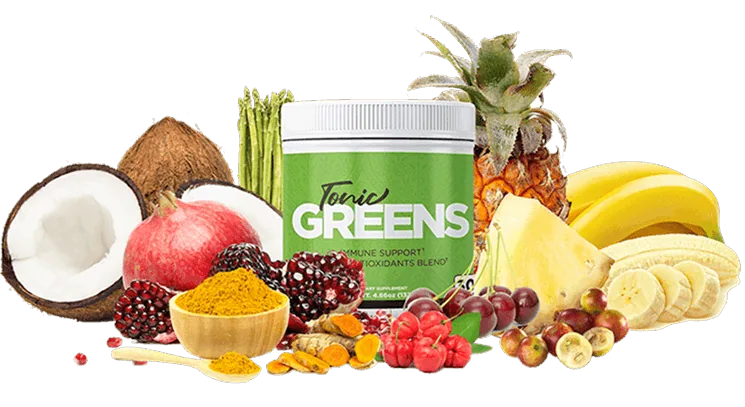
TonicGreens Review: Does This Greens Powder Really Support Immunity?
A daily greens-powder drink mix marketed for immune support, sold through the official website with a 60-day money-back guarantee.
Read the review
Ikaria Juice Review: Does It Really Help With Belly Fat and Metabolism?
A powdered daily drink mix sold on the official website that claims to boost metabolism and fat loss through a blend of plant extracts and antioxidants.
Read the review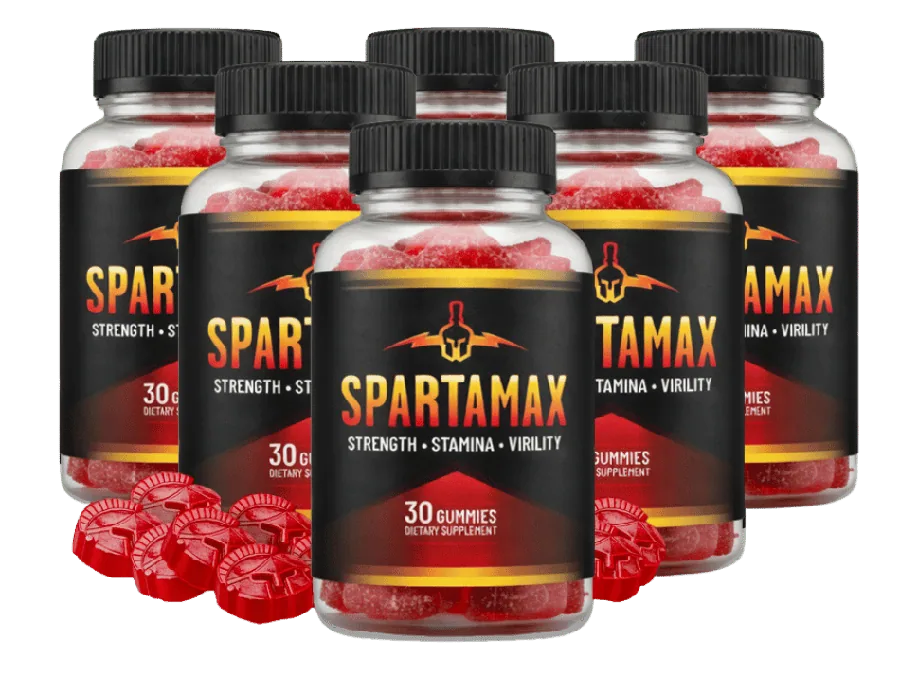
Spartamax Review: Does This Men's Gummy Really Work?
A men's daily gummy with seven herbal and amino-acid ingredients, sold only on the official website with a stated 365-day money-back guarantee; the health claims are not supported by strong human evidence.
Read the reviewFrequently Asked Questions About Beet Root
Does Beet Root really work?
Research suggests beet juice may give a small boost to endurance in some people, especially for efforts lasting a few minutes. Blood pressure results are mixed, and effects are modest. Results depend heavily on the nitrate content of the product.
Is Beet Root safe?
As a food, beets are generally safe for most people. Concentrated juice and powders can cause digestive upset, red urine, and may add to the effect of blood pressure medicines. People prone to oxalate kidney stones should ask a doctor first.
Is beet root powder as effective as beet juice?
Not necessarily. Most studies used juice with a known nitrate amount. Powders and capsules vary widely, and many labels do not state nitrate content, so results from juice studies may not apply.
How long does beet root take to work in studies?
In exercise studies, a single serving was typically taken 2 to 3 hours beforehand, when blood nitrite peaks. Other trials ran for several days to a couple of weeks.
Why does beet root turn urine or stools red?
Beet pigments called betalains can pass through the body unchanged in some people. The color is usually harmless and fades after you stop, but check with a doctor if you are unsure it is not blood.
Sources
- Performance and Health Benefits of Dietary Nitrate Supplementation in Older Adults: A Systematic Review — Nutrients (PubMed Central)
- Nitrate supplementation and exercise performance meta-analysis — Sports Medicine (Springer)
- Dietary nitrate supplementation in chronic respiratory disease — BMJ Open Respiratory Research (DOAJ)
- Dietary nitrate and blood pressure review — PubMed Central
Last reviewed: