Gynostemma Pentaphyllum: Benefits, Research & Safety
Gynostemma pentaphyllum, also called jiaogulan, is a climbing vine from East and Southeast Asia. People drink it as a tea or take it as an extract. It has been studied for blood sugar, body weight and cholesterol, but the human research is still small.
Gynostemma Pentaphyllum Ingredient Guide
Also known as: Jiaogulan, Gynostemma pentaphyllum, Five-leaf ginseng, Southern ginseng, Poor man's ginseng, Vitis pentaphylla
- What it is
- Gynostemma pentaphyllum is a perennial vine in the cucumber family. Its leaves are used as a traditional herbal tea in parts of China, Vietnam, Korea and Japan.
- What it does
- Its main compounds are saponins called gypenosides, some of which resemble the ginsenosides in ginseng. Lab and animal work suggests they may affect AMPK, an enzyme involved in energy metabolism. Human evidence for this is limited.
- How it is used
- It is taken as a tea, capsule or standardized leaf extract. Studies have mostly looked at blood sugar, body weight and blood lipids.
- Natural sources and forms
- The leaves are dried for tea or extracted with water or alcohol. Extracts may be standardized to gypenosides, but there is no universal standard. Some trials used proprietary extracts, so results may not apply to every product.
- Why it appears in formulas
- Makers add it to blood sugar, weight management and general wellness blends. It is also marketed as an 'adaptogen', which is a marketing term more than a proven category.
- What to know before use
- Jiaogulan may lower blood sugar, so ask a doctor first if you take diabetes medicine. Also ask first if you take blood thinners or immune-suppressing drugs, or if you are pregnant or breastfeeding.
What the Research Says
Overall: Limited evidence
Human research on Gynostemma pentaphyllum is limited. There are a handful of randomized trials, and most are small and short, lasting from a few weeks to about 12 weeks. Several of the blood sugar trials in people with type 2 diabetes came from one Vietnamese research group. Those trials used tea, and some were done alongside diabetes medicine.
A randomized, placebo-controlled trial of an extract in 80 obese Korean adults reported reductions in abdominal fat area, body weight and BMI over 12 weeks. A separate 16-week trial of a different extract in overweight adults reported fat changes that differed by sex. A 2022 systematic review of randomized trials on blood lipids concluded that use for more than 8 weeks appeared safe. A small trial also reported lower anxiety scores in healthy adults.
Much of the mechanism evidence comes from cell and animal studies, such as rat studies showing lower glucose and lipids. These results do not prove the same effects occur in people. Products vary widely in their gypenoside content. The evidence is not strong enough to say it treats or prevents any condition.
| Studied for | What the research says | Evidence |
|---|---|---|
| Blood sugar and insulin sensitivity | Small trials of the tea in adults with type 2 diabetes reported better insulin sensitivity and glucose measures. The trials were small and many came from one research group, so independent confirmation is needed. | Limited evidence |
| Body fat and weight | A 12-week placebo-controlled trial of a standardized extract reported lower abdominal fat area, body weight and BMI. A 16-week trial of a different extract found fat changes that varied by sex. | Limited evidence |
| Blood lipids | A systematic review of randomized trials looked at its effect on dyslipidemia and found use beyond 8 weeks appeared safe. The effects on lipids were modest and the trials were few. | Limited evidence |
| Stress and anxiety | One small 8-week randomized trial in healthy volunteers reported lower trait anxiety scores than placebo. It has not been widely replicated. | Early evidence |
Did you know? A tea nicknamed 'southern ginseng'
Jiaogulan is not a true ginseng and is not closely related to it. Its leaves contain saponins called gypenosides, and some are structurally similar to ginsenosides found in ginseng. That chemical overlap is why it got nicknames like 'southern ginseng' and 'poor man's ginseng'.
Amounts Used in Studies
These are amounts researchers used, not dosing advice. Ask your doctor or pharmacist what is right for you.
| Form | Amount | Study context |
|---|---|---|
| Standardized leaf extract (actiponin) | 450 mg/day | 12-week placebo-controlled trial in obese Korean adults |
| Tea (dried leaf) | Several grams of leaf per day, as brewed tea | Trials in adults with type 2 diabetes. Exact amounts and durations varied by study |
Safety, Side Effects and Interactions
In the trials reviewed, Gynostemma pentaphyllum was generally well tolerated. The 12-week extract trial reported no clinically significant changes in safety measures. The diabetes tea trials reported no hypoglycemic episodes and no worrying changes in kidney or liver tests. A systematic review judged use for more than 8 weeks to be safe in the studied groups.
Milder effects reported for jiaogulan in general include nausea, an upset stomach and more frequent bowel movements. Long-term safety data are lacking. Pregnancy and breastfeeding data are also lacking.
Because it may lower blood sugar and has gypenosides that may affect platelets and the immune system in lab studies, it could interact with some medicines. Supplement products are not reviewed by the FDA before sale, and the gypenoside content and purity can vary. Stop use and contact a doctor if you have unusual symptoms such as shakiness, sweating or confusion. These can be signs of low blood sugar.
Possible interactions
- Diabetes medicines (such as sulfonylureas or insulin): it may add to blood sugar lowering, so levels may need closer monitoring.
- Blood thinners or antiplatelet drugs: lab studies suggest gypenosides may affect platelets, so ask a doctor first.
- Immunosuppressant drugs: it may stimulate the immune system, which could work against these medicines.
- Other blood sugar or weight-loss supplements: combining them may increase the effect on glucose.
Avoid it or ask a doctor first if
- Pregnant or breastfeeding
- Taking diabetes medicine without medical supervision
- Taking blood thinners
- Taking immunosuppressants or having an autoimmune condition
- Scheduled for surgery within two weeks
- Allergic to plants in the cucumber (gourd) family
Supplements We've Reviewed That Contain Gynostemma Pentaphyllum
Each review checks the full formula, price, refund policy and side effects.
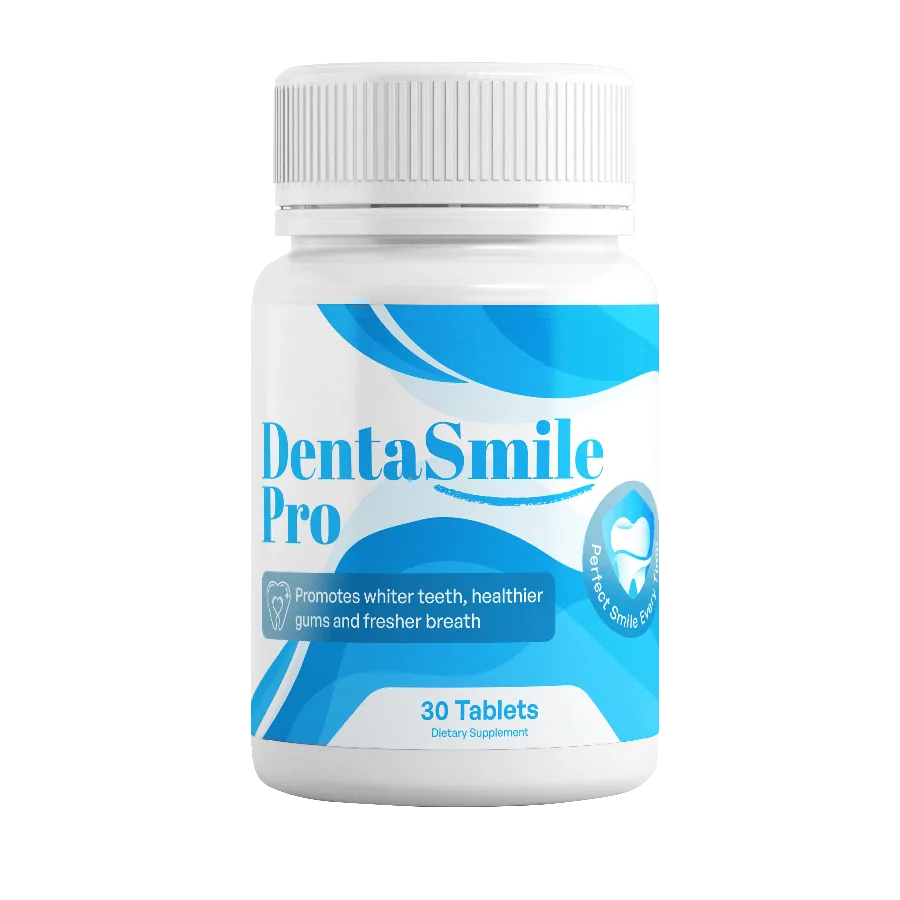
DentaSmile Pro Review: Does It Really Support Healthy Teeth and Gums?
Oral-health formula with 8 ingredients, sold only on the official website, with a stated 60-day refund.
Read the reviewFrequently Asked Questions About Gynostemma Pentaphyllum
Does Gynostemma Pentaphyllum really work?
Research suggests it may support blood sugar, body fat and lipid measures. The human trials are few, small and short, and many tested particular products. It is not proven to treat any condition, and results may differ between products.
Is Gynostemma Pentaphyllum safe?
It was generally well tolerated in short-term trials of up to about 12 weeks, with mild digestive upset the main concern. Long-term and pregnancy safety are not well studied. People on diabetes or blood-thinning medicine should ask a doctor before using it.
What is the difference between jiaogulan tea and extract capsules?
Tea delivers a variable amount of gypenosides depending on the leaf and brewing. Extracts may be standardized, but there is no common standard. Study results for one form may not apply to the other.
Can it lower blood sugar?
Small human trials in type 2 diabetes reported improvements in insulin sensitivity and glucose measures. It could also add to the effect of diabetes drugs, so medical guidance matters.
Is jiaogulan the same as ginseng?
No. It is a different plant, though some of its saponins are chemically similar to ginsenosides. Research on ginseng does not automatically apply to jiaogulan.
Sources
- Gynostemma pentaphyllum Tea Improves Insulin Sensitivity in Type 2 Diabetic Patients — PubMed
- Antiobesity effect of Gynostemma pentaphyllum extract (actiponin): a randomized, double-blind, placebo-controlled trial — PubMed
- Anti-diabetic Effect of Gynostemma Pentaphyllum Tea in Type 2 Diabetic Patients — ClinicalTrials.gov
- Progress in the Medicinal Value, Bioactive Compounds, and Pharmacological Activities of Gynostemma pentaphyllum — PubMed Central
- Jiaogulan — Drugs.com
Last reviewed: