Bitter Melon: Benefits, Research & Safety
Bitter melon (Momordica charantia) is a bumpy green gourd used as food and in traditional medicine in Asia, Africa and the Caribbean. Supplements made from its fruit, seeds or leaves are mainly taken for blood sugar and metabolic support. Human research is small and mixed, and the safety data are limited.
Bitter Melon Ingredient Guide
Also known as: Bitter gourd, Bitter squash, Karela, Balsam pear, Momordica charantia
- What it is
- Bitter melon is the fruit of a tropical vine, Momordica charantia. It is eaten as a vegetable, brewed as a tea, and sold as capsules, powders and extracts.
- What it does
- Lab and animal studies suggest compounds such as charantin, polypeptide-p (a plant insulin-like protein) and vicine may affect glucose uptake and use. How well this carries over to people is not established.
- How it is used
- People take it as capsules, juice, tea or powder, usually hoping to support healthy blood sugar levels. It is also eaten cooked as a food.
- Natural sources and forms
- Supplements use dried fruit powder, whole-fruit extracts, juice, and sometimes seed or leaf material. Products are rarely standardized to a set compound, so strength varies widely between products.
- Why it appears in formulas
- Makers add it to blood sugar and metabolism formulas because of its traditional use and the small clinical trials on glucose markers. It also gives a natural, traditional-herb image to a label.
- What to know before use
- Bitter melon may lower blood sugar, so talk to a doctor or pharmacist first if you take diabetes medicine or insulin. Avoid it in pregnancy.
What the Research Says
Overall: Limited evidence
Most human research on bitter melon looks at type 2 diabetes or prediabetes. Trials are generally small, short (often 4 to 16 weeks) and use many different preparations and amounts, which makes results hard to compare.
An older Cochrane review (CD007845) pooled four randomized trials with 479 participants. It found no reliable difference from placebo in blood sugar control, and the trials had a high risk of bias. Later meta-analyses pooled more trials. One in 2019 (10 trials, 1,045 people) found an average HbA1c reduction of about 0.26% versus placebo. A 2024 analysis (8 trials, 423 people) reported about 0.38%. Both noted moderate-to-high risk of bias and called for better-designed trials.
That means the effect, if real, appears small. It is much smaller than the effect of standard diabetes care. There is little human evidence for other uses such as weight, cholesterol or cancer. Those claims rest mainly on cell and animal studies. Bitter melon is not a substitute for medical treatment.
| Studied for | What the research says | Evidence |
|---|---|---|
| Blood sugar (HbA1c) | Meta-analyses of small trials report average HbA1c drops of roughly 0.26% to 0.38% versus control, but trial quality is low and results vary. | Limited evidence |
| Comparison with standard medicines | The Cochrane review found no significant difference from placebo and no clear difference from metformin or glibenclamide, based on few small trials. | Limited evidence |
| Prediabetes | A few small trials in prediabetes exist, but the results are too sparse to draw firm conclusions. | Early evidence |
| Weight and cholesterol | Findings come mostly from animal and test-tube studies. Human data are very limited. | Early evidence |
Did you know? A vegetable with a bitter reputation
The bitterness of bitter melon comes partly from compounds called cucurbitacins and momordicosides. The fruit has long been eaten in curries and stir-fries across Asia. Cooking it as food is quite different from taking concentrated supplements.
Amounts Used in Studies
These are amounts researchers used, not dosing advice. Ask your doctor or pharmacist what is right for you.
| Form | Amount | Study context |
|---|---|---|
| Dried fruit powder or capsules | Roughly 2 to 6 g/day in some trials; varies by study | Short trials, about 4 to 16 weeks, in adults with type 2 diabetes |
| Fruit extracts | Varied widely, with no standard amount | Products and extraction methods differed, so amounts cannot be compared across studies |
Safety, Side Effects and Interactions
Bitter melon fruit is generally considered possibly safe for most healthy adults in the short term. Safety beyond about three months is unknown.
Common side effects reported include stomach upset, cramps and diarrhea. The main concern is low blood sugar, especially when it is taken with insulin or diabetes drugs. Seeds contain vicine, which can cause favism (a form of anemia with headache, fever and abdominal pain) in people with G6PD deficiency. Bitter melon is not recommended in pregnancy because some constituents were linked to uterine effects in animal research.
There are case reports of severe kidney injury after use of a bitter melon extract and of an Ayurvedic product that contained it. LiverTox says liver injury from the fruit or leaf extracts has not been reported. Supplements are not tightly regulated, and product content can vary.
Possible interactions
- Insulin and diabetes drugs (such as metformin or sulfonylureas) may have an additive effect and cause low blood sugar.
- Other blood-sugar-lowering herbs or supplements may add to the effect.
- Lab studies show it may inhibit CYP2C9, which could affect some drugs, though the clinical relevance is unclear.
- It may affect blood sugar control around surgery, so people often stop it at least two weeks before a procedure.
Avoid it or ask a doctor first if
- Pregnant or trying to conceive
- Breastfeeding, because safety data are lacking
- Taking insulin or diabetes medicines, unless a doctor agrees
- Prone to low blood sugar (hypoglycemia)
- G6PD deficiency
- Kidney disease
- Scheduled for surgery in the next two weeks
- Children
Supplements We've Reviewed That Contain Bitter Melon
Each review checks the full formula, price, refund policy and side effects.
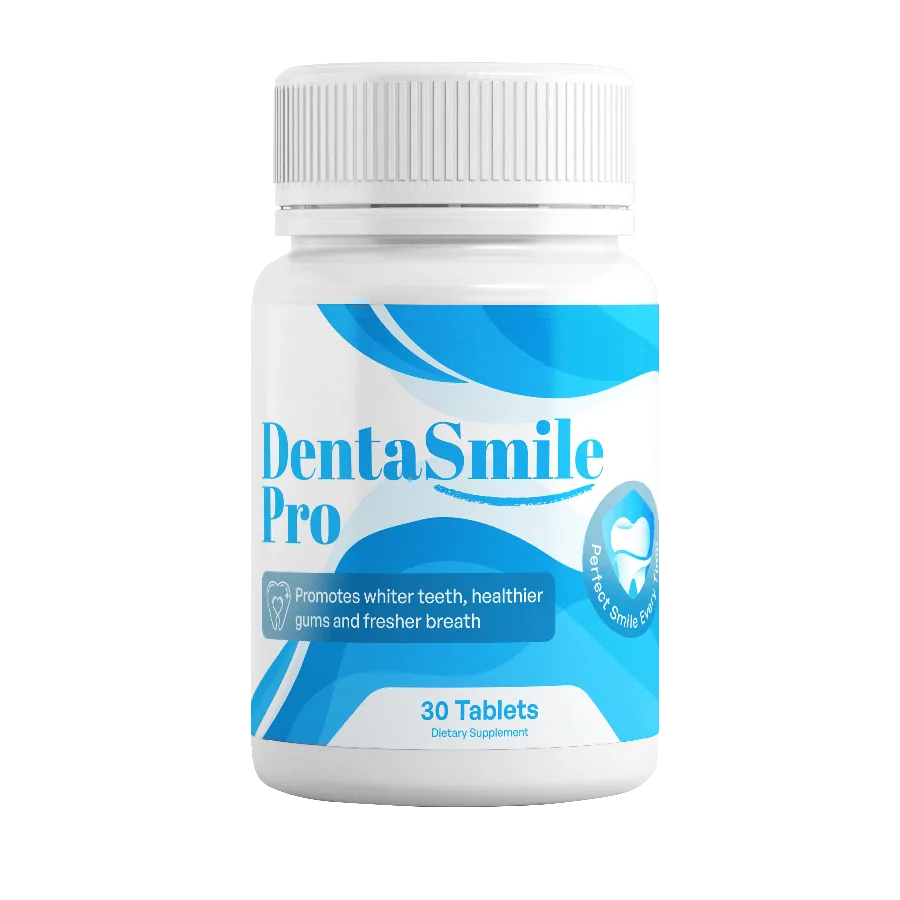
DentaSmile Pro Review: Does It Really Support Healthy Teeth and Gums?
Oral-health formula with 8 ingredients, sold only on the official website, with a stated 60-day refund.
Read the review
Oradentum Review: Does This Oral Health Supplement Really Work?
A 21-ingredient oral-health supplement sold only through the official website, with a 60-day money-back guarantee.
Read the review
Nagano Tonic Review: Does This Daily Scoop Really Help With Weight Loss?
Daily scoop supplement marketed for fat loss, energy and metabolism, sold through the official website with a 180-day refund claim.
Read the reviewFrequently Asked Questions About Bitter Melon
Does Bitter Melon really work?
Research is limited. Some meta-analyses show a small average drop in HbA1c, but the trials are small, short and of low quality. An older Cochrane review found no reliable benefit for blood sugar. It should not replace diabetes care.
Is Bitter Melon safe?
Short-term use of the fruit appears tolerable for most healthy adults, but long-term safety is unknown. It can cause stomach upset and may cause low blood sugar. Pregnant people and people with G6PD deficiency should avoid it.
Can I take bitter melon with diabetes medicine?
This combination can raise the risk of low blood sugar. Speak with your doctor or pharmacist before using it, and do not change your medicines on your own.
What is the difference between bitter melon food and supplements?
Food portions are eaten cooked in smaller, variable amounts. Supplements can contain concentrated extracts or seed material and are not standardized. Their effects and risks may therefore differ from the food.
Why is bitter melon in some supplement formulas?
It is added because of its traditional use and early research on blood sugar. A label that lists it does not show that the product works. The amount in a blend is often not disclosed.
Sources
- Bitter Melon — Memorial Sloan Kettering Cancer Center
- Bitter Melon — LiverTox, NCBI Bookshelf
- Momordica charantia for type 2 diabetes mellitus — Cochrane
- Momordica charantia meta-analysis in type 2 diabetes — PubMed
- Bitter Melon — University of Michigan Health
- Bitter Melon — RxList
Last reviewed: