Boron: Benefits, Research & Safety
Boron is a trace mineral found in plant foods such as nuts, avocados and raisins. People take it as a supplement hoping to support bone, joint and hormone health. Human research is small and early, and the safe upper limit is fairly low, so it is worth understanding before you use it.
Boron Ingredient Guide
Also known as: boron, boric acid, sodium borate, borax (sodium tetraborate), calcium fructoborate, boron citrate, boron glycinate
- What it is
- Boron is a trace element found in soil, water and plants. It has not been confirmed as essential for humans, and no official recommended daily intake has been set.
- What it does
- Boron is thought to influence how the body handles calcium, magnesium and vitamin D, and it may affect sex hormones and inflammation markers. Much of this comes from animal and cell studies, and the mechanisms are not settled.
- How it is used
- People use it for bone and joint support, and some use it for hormone balance. It is usually taken as a small daily capsule or tablet, or as part of a multimineral or joint formula.
- Natural sources and forms
- Food sources are mostly plants, including avocado, raisins, peanuts and other nuts, legumes and leafy vegetables. Supplements use borates such as sodium borate or boric acid, amino acid chelates (glycinate, citrate), or calcium fructoborate, a plant-based boron-sugar complex that is common in joint studies.
- Why it appears in formulas
- Makers add boron to bone, joint and men's health blends, usually as a small, low-cost trace mineral. It is often paired with calcium, magnesium and vitamin D.
- What to know before use
- Boron has a defined upper limit of 20 mg a day for adults from food and supplements combined, and lower limits for children and teens. Do not use boric acid or borax products from the hardware or laundry aisle as supplements, because they are poisonous when swallowed in quantity.
What the Research Says
Overall: Limited evidence
Research on boron in people is small, short and often uncontrolled. Many of the more striking findings come from animal and laboratory studies, which cannot show what happens in humans.
In people, a few small trials looked at bone-related markers, joint discomfort, inflammation markers and hormone levels. Several of these were pilot studies with fewer than 30 participants, and some had no placebo group. A 2020 narrative review of bone studies called the results promising but preliminary, and it asked for larger randomized trials. Researchers also point out that many studies used calcium fructoborate, so results may not carry over to other forms.
Another problem is that food-database estimates of boron intake appear to run higher than chemical analysis shows. This makes it hard to link dietary intake to health outcomes. No large, long-term trial has shown that boron prevents fractures, treats arthritis or changes hormone-related health outcomes. Overall, boron is an interesting nutrient with early signals, not a proven supplement.
| Studied for | What the research says | Evidence |
|---|---|---|
| Bone health | A small 1980s study in postmenopausal women found that about 3 mg a day lowered urinary calcium loss. Later reviews call the bone evidence promising but preliminary, and trials have not shown that boron prevents fractures. | Limited evidence |
| Joint comfort and osteoarthritis | Small pilot studies, some using calcium fructoborate, reported less reported pain and stiffness. The best-known placebo-controlled trial had only about 20 participants, so the results need confirmation. | Limited evidence |
| Inflammation markers | A short study in a few healthy men reported lower blood markers such as hs-CRP and IL-6 after boron supplementation. The groups were tiny and the results have not been widely replicated. | Early evidence |
| Hormones and vitamin D | Small studies suggest boron may shift estradiol, free testosterone and vitamin D levels. Effects differed between men and women, and the proposed mechanism is still a hypothesis. | Early evidence |
| Brain function | Some observational work links low boron intake with differences in attention and memory in older adults. This does not show that supplements improve thinking. | Early evidence |
Did you know? Your food may have less boron than tables suggest
Plant foods such as avocados, raisins and nuts are the main boron sources. A review noted that chemical analysis found about 1.2 mg a day in diets that food-composition databases estimated at 4.5 to 5.3 mg. That gap makes it harder to know how much boron people actually get.
Amounts Used in Studies
These are amounts researchers used, not dosing advice. Ask your doctor or pharmacist what is right for you.
| Form | Amount | Study context |
|---|---|---|
| Boron from boron salts or food-based intake, general | About 3 mg/day | Used in many small bone and mineral-metabolism studies lasting weeks to months |
| Boron (borate) for osteoarthritis | About 6 mg/day, with 12 mg/day in a few severe cases | Small pilot trials; evidence is limited |
| Calcium fructoborate | About 3 mg boron twice daily (total about 6 mg/day) | Short joint and inflammation studies in adults |
Safety, Side Effects and Interactions
At the amounts typically used in studies (a few milligrams a day), no serious harm was reported. Workers in a boric acid plant averaged about 12.6 mg a day without noted adverse effects. These short-term findings do not show long-term safety, though.
The Tolerable Upper Intake Level for adults is 20 mg a day, and lower for younger people (about 17 mg for ages 14 to 18, and less for younger children). At high intakes, boron can cause nausea, vomiting, diarrhea, headache and skin reactions. Animal studies show that large amounts can harm reproduction and fetal development. Boric acid and borax poisoning, usually from accidental swallowing, can be serious, particularly in infants and children.
Because boron is also in food, check the label of any multivitamin or bone formula so your total intake stays under the limit. Supplement quality varies, and the label may list the amount of the compound rather than the amount of elemental boron.
Possible interactions
- Boron may affect estrogen and testosterone levels, so people on hormone therapy or hormone-sensitive treatments should ask a clinician first.
- It may change how the body handles calcium, magnesium and vitamin D, so tell your clinician if you take high-dose minerals or vitamin D.
- Combining it with other boron-containing supplements can push total intake past the upper limit.
- Boron is cleared by the kidneys, so it may build up in people taking medicines that affect kidney function.
Avoid it or ask a doctor first if
- Pregnant or breastfeeding
- Children, unless advised by a pediatrician
- Kidney disease or reduced kidney function
- Hormone-sensitive conditions such as some breast, uterine or prostate cancers
- Taking hormone replacement therapy or other hormone medicines, unless your clinician approves
- Planning surgery, or on a complicated medication list, without checking with a clinician
Supplements We've Reviewed That Contain Boron
Each review checks the full formula, price, refund policy and side effects.
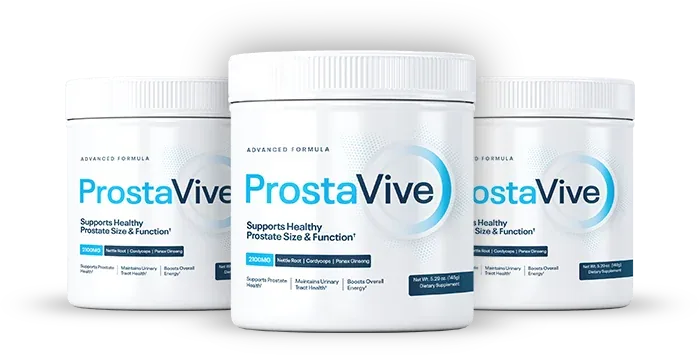
ProstaVive Review: Is It Legit or Just Hype for Prostate Support?
Men's prostate-support supplement sold on the official website with bulk-pack pricing and a 180-day refund claim; its health claims go well beyond the evidence shown on the page.
Read the reviewFrequently Asked Questions About Boron
Does boron really work?
The evidence is limited. Small studies suggest boron may support bone mineral handling and joint comfort, but they are short and often lack strong controls. Large trials showing real benefits for bone or joint outcomes are missing.
Is boron safe?
At the few milligrams a day used in most studies, side effects were rarely reported. Adults should stay below the 20 mg a day upper limit from all sources, and some groups should avoid it or ask a doctor first. Large amounts or accidental swallowing of boric acid or borax can be toxic.
How much boron do people get from food?
Estimates for US adults are roughly 1 to 2.4 mg a day, and they are uncertain. Fruits, nuts, legumes and vegetables supply most of it.
Is boron the same as borax?
No. Borax is a household cleaning and laundry chemical made from boron, and it is not meant to be eaten. Supplements use purified boron compounds in small, measured amounts.
What is calcium fructoborate?
It is a natural boron-sugar complex found in some fruits and vegetables and also made for supplements. It is used in many joint studies, but it has been tested mostly in small, short trials.
Sources
- Boron - Health Professional Fact Sheet — NIH Office of Dietary Supplements
- Nothing Boring About Boron — PubMed Central (NIH)
- Pivotal role of boron supplementation on bone health: A narrative review — PubMed
- Boron — PubMed
- Essentiality of boron for healthy bones and joints — PubMed
Last reviewed: