Witch Hazel, Scots Pine and Horsetail Extracts: Benefits, Research & Safety
These three plant extracts often appear together in herbal blends marketed for skin, circulation or fluid balance. Witch hazel (Hamamelis virginiana) is best known as a topical astringent. Scots pine (Pinus sylvestris) is a conifer, and horsetail (Equisetum arvense) is a traditional diuretic herb. Human evidence for taking them by mouth is limited, and it differs a lot between the three.
Witch Hazel, Scots Pine and Horsetail Extracts Ingredient Guide
Also known as: Hamamelis virginiana, Pinus sylvestris, Equisetum arvense, Common horsetail, Field horsetail, Scotch pine
- What it is
- Witch hazel is a North American shrub whose bark and leaves are rich in tannins. Scots pine is a widespread European and Asian conifer. Horsetail is a silica-rich, fern-like plant.
- What it does
- Witch hazel's tannins are thought to tighten tissue (an astringent effect). Pine extracts contain polyphenols that were studied for antioxidant activity, mostly in lab work. Horsetail was studied for a mild diuretic effect, meaning it may increase urine output.
- How it is used
- Witch hazel is mostly used on the skin, though it appears in some oral blends. Pine and horsetail extracts are taken as capsules, teas or tinctures, often in formulas aimed at circulation, skin, hair or fluid balance.
- Natural sources and forms
- Extracts come from witch hazel bark or leaf, pine bark or needles, and the above-ground parts of horsetail. Standardization is inconsistent. Most pine research used a different species, French maritime pine bark (Pinus pinaster), so it does not carry over directly to Scots pine.
- Why it appears in formulas
- Makers add them for their traditional reputations and as a plant polyphenol and mineral story, often in leg, skin or water-balance blends. Strong human evidence for these uses is lacking.
- What to know before use
- Check the label for species and form, and talk to a doctor first if you take prescription drugs (especially diuretics or lithium), have liver or kidney disease, or are pregnant or breastfeeding.
What the Research Says
Overall: Limited evidence
Overall, human evidence for taking these three extracts by mouth is limited. Most of what is known comes from traditional use, lab studies and small or older trials.
Witch hazel: Research is mainly on topical products. Reference databases disagree on oral use. Some call it possibly safe at appropriate amounts, while others do not recommend it because of tannin toxicity concerns.
Scots pine: I found almost no human trials of Pinus sylvestris itself. The better-known clinical work, including dozens of randomized trials on circulation and endothelial function, used French maritime pine bark extract (Pinus pinaster). That is a different species, and the results should not be assumed to apply to Scots pine. Some of those trials were small, short or industry-sponsored.
Horsetail: A small study in healthy men reported a mild diuretic effect from a dried extract. Natural Medicines rates the evidence as insufficient. Claims about hair, nails and bones are not backed by good human trials.
Combination products add another problem. If a blend has not been tested as a whole, the research on each single ingredient cannot tell you how the blend performs.
| Studied for | What the research says | Evidence |
|---|---|---|
| Skin astringent effects (witch hazel) | The best-supported use is on the skin, not by mouth. Oral evidence for any health benefit is thin. | Limited evidence |
| Circulation and vein health (pine) | Trials on circulation and chronic venous insufficiency used French maritime pine bark, not Scots pine. Results for that species do not reliably transfer. | Early evidence |
| Antioxidant activity (pine, witch hazel) | Antioxidant effects are mostly shown in test tubes and animals. Whether they translate to human benefit is unclear. | Early evidence |
| Mild diuretic effect (horsetail) | A small human study suggested a mild increase in urine output. Larger, high-quality trials are lacking. | Limited evidence |
Did you know? Not every horsetail is safe
Horsetail's common name covers many Equisetum species. One of them, Equisetum palustre (marsh horsetail), contains alkaloids known to poison livestock. This is one reason quality and species identification matter for horsetail products.
Amounts Used in Studies
These are amounts researchers used, not dosing advice. Ask your doctor or pharmacist what is right for you.
| Form | Amount | Study context |
|---|---|---|
| Dried horsetail extract | About 900 mg/day | A small short-term study in healthy men looking at urine output |
| French maritime pine bark extract (a different species from Scots pine) | About 300 mg/day (100 mg three times daily in one venous trial) | Trials of about 2 to 12 weeks on circulation and vein measures |
Safety, Side Effects and Interactions
Safety depends on the plant and the form.
Witch hazel: Taken by mouth, its tannins may cause nausea, vomiting or constipation. Some references warn that high tannin intake may harm the liver or kidneys. Pregnancy and breastfeeding data are insufficient.
Horsetail: Natural Medicines rates long-term oral use of products containing thiaminase as possibly unsafe, because the enzyme could in theory cause thiamine (vitamin B1) deficiency. Canada requires products to be certified free of thiaminase-like activity. A related species, Equisetum palustre, contains toxic alkaloids, so species mix-ups are a concern. Its diuretic effect could affect potassium and fluid balance.
Scots pine: Little human safety data exists for Scots pine extracts. Pine products can cause allergic reactions in sensitive people. Data on maritime pine bark cannot be applied directly.
Because supplements are not pre-approved by the FDA for safety or purity, product quality varies. Stop use and seek medical advice if you notice yellowing skin, dark urine, severe stomach pain, muscle weakness or unusual tiredness.
Possible interactions
- Horsetail may add to the effects of diuretic drugs and could increase potassium loss (hypokalemia).
- Horsetail might reduce lithium excretion and raise lithium levels in theory.
- Witch hazel tannins may reduce the absorption of iron and some other minerals or medicines if taken at the same time.
- Taking several herbs with liver-affecting potential alongside liver-stressing medicines may add risk, so ask a pharmacist.
- Pine extracts may have mild effects on blood pressure or blood clotting in theory, so check with a clinician if you take blood thinners or blood pressure drugs.
Avoid it or ask a doctor first if
- Pregnant or breastfeeding
- Liver or kidney disease
- Taking diuretics or lithium
- Heart conditions or low potassium
- Thiamine deficiency or heavy alcohol use
- Allergy to pine or conifer products
- Children
Supplements We've Reviewed That Contain Witch Hazel, Scots Pine and Horsetail Extracts
Each review checks the full formula, price, refund policy and side effects.
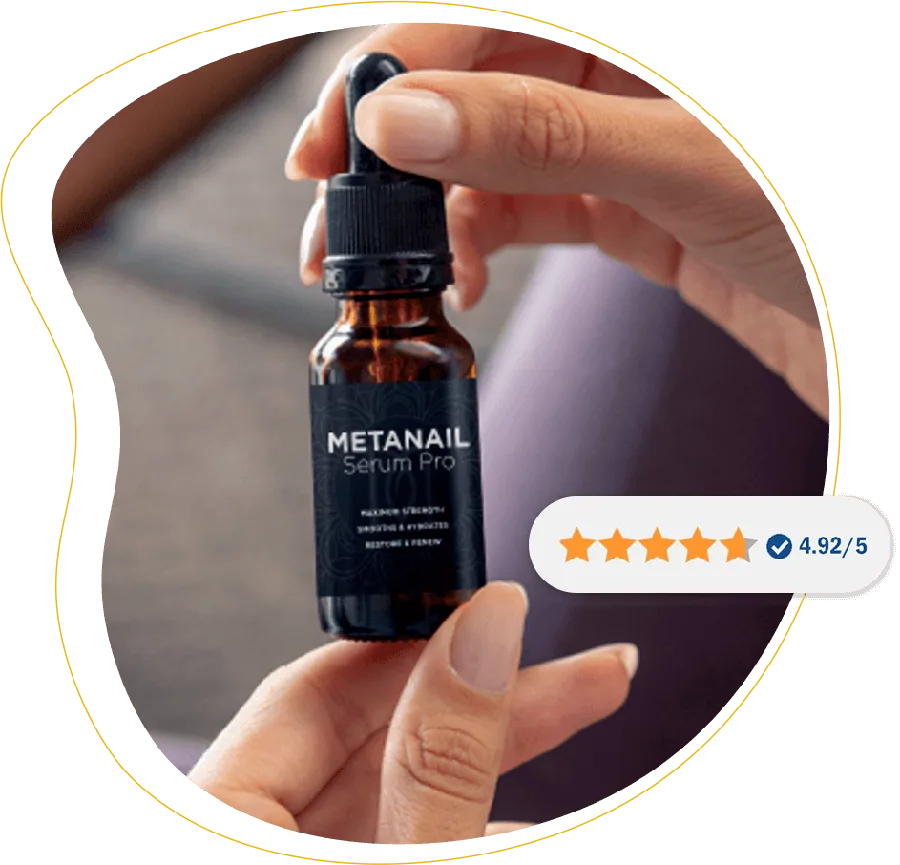
Metanail Complex Review: Does This Nail and Foot Serum Really Work?
A topical serum marketed for nail and foot health, sold on the official website in bundles with a detox product and bonus guides.
Read the reviewFrequently Asked Questions About Witch Hazel, Scots Pine and Horsetail Extracts
Does Witch Hazel, Scots Pine and Horsetail Extracts really work?
Evidence for oral use is limited. Witch hazel has some support as a skin astringent, horsetail has small studies on mild diuretic effects, and Scots pine has almost no human data. Results from other plants, such as maritime pine bark, should not be assumed to apply.
Is Witch Hazel, Scots Pine and Horsetail Extracts safe?
Safety varies by ingredient. Oral witch hazel may upset the stomach and raises liver concerns at high tannin intakes. Horsetail products with thiaminase may be unsafe long term, and Scots pine is poorly studied. Talk to a healthcare provider before use, especially if you take medicines.
Why are these three extracts combined?
They share traditional reputations for skin, circulation and fluid balance. Combining them is mostly a marketing and tradition-based choice, and I found no clinical trials testing this exact combination.
Is Scots pine the same as pine bark extract?
Not necessarily. Most clinical pine bark research used French maritime pine (Pinus pinaster). Scots pine (Pinus sylvestris) is a different species with a different composition, so check the label for species and plant part.
Can horsetail replace a prescription diuretic?
No. Evidence for horsetail's diuretic effect is small, and it can affect potassium and interact with medicines. Never swap or stop a prescribed medicine without your doctor's advice.
Sources
- Witch hazel — Drugs.com
- Witch Hazel NatMed Pro handout — Therapeutic Research
- Horsetail — PeaceHealth
- Horsetail — Healthline
- Pycnogenol French maritime pine bark extract in randomized, double-blind, placebo-controlled human clinical studies — PubMed
- Pycnogenol, French maritime pine bark, augments endothelium-dependent vasodilation in humans — PubMed
Last reviewed: