Dandelion Root: Benefits, Research & Safety
Dandelion root comes from Taraxacum officinale, a common plant in the daisy family. It has long been used in traditional herbal practice for digestion and liver and kidney support. Modern human research on the root is thin, so most claims rest on tradition and early lab work.
Dandelion Root Ingredient Guide
Also known as: Dandelion, Taraxacum, Taraxacum officinale, Taraxaci radix, Lion's tooth
- What it is
- Dandelion root is the underground part of the common dandelion plant, Taraxacum officinale. It contains bitter compounds called sesquiterpene lactones, plus inulin (a prebiotic fiber), phenolic compounds and some minerals.
- What it does
- The bitter compounds are traditionally thought to stimulate digestive juices and bile flow. Lab and animal studies have looked at antioxidant and metabolic effects, but these have not been confirmed in people.
- How it is used
- People take it as capsules, tinctures, teas, or as a roasted root drink that is used as a coffee substitute. Traditional uses include digestive comfort and mild support for fluid balance.
- Natural sources and forms
- Forms include dried root powder, water or alcohol extracts, and roasted root. Products are rarely standardized to a specific active compound, so strength varies a lot between products. Leaf extracts are a different material, and most of the small human studies used leaf.
- Why it appears in formulas
- Makers add it for its traditional reputation in liver, digestive and detox-style blends and as a gentle, natural-sounding ingredient. Detox and weight claims tied to it are mostly marketing, not backed by human trials.
- What to know before use
- Avoid it if you have gallbladder or bile duct problems, or an allergy to daisy-family plants (ragweed, chrysanthemum, marigold). Check with a clinician first if you take blood thinners, lithium, water pills or certain antibiotics.
What the Research Says
Overall: Limited evidence
Overall, the human evidence for dandelion root is limited. Most of the research is from lab and animal studies, which cannot show that something works in people.
The best-known human work is small. A 2009 pilot study in 17 adults used a dandelion leaf extract, not root. Urination frequency rose in the hours after the first dose, but the effect did not continue after later doses. The authors called for more research.
The archived NCCIH (formerly NCCAM) fact sheet lists diuretic and digestive uses as traditional. It says there is no compelling scientific evidence that dandelion treats any medical condition. WebMD likewise says the benefits and risks are not well defined.
There are no large, well-controlled trials of dandelion root for liver health, blood sugar, weight or digestion. Products differ in plant part, extraction method and strength, which makes the few results hard to compare. Treat any strong claim about dandelion root, especially "detox" or weight loss, with caution.
| Studied for | What the research says | Evidence |
|---|---|---|
| Fluid balance (diuretic effect) | A small pilot study of a leaf extract in 17 adults found more urination after the first dose, but the effect did not continue after later doses. Root was not tested, and larger trials are lacking. | Early evidence |
| Digestion | Its bitter taste is traditionally used to stimulate appetite and bile flow. Good human trials of the root are lacking, so this rests mostly on tradition and professional monographs. | Limited evidence |
| Liver support | Animal and test-tube studies suggest antioxidant activity in liver cells. No solid human trials show the root supports liver health or function. | Early evidence |
| Blood sugar and weight | Some lab and animal studies looked at inulin and plant compounds for metabolic effects. Human evidence for the root is essentially missing. | Early evidence |
Did you know? The roasted root coffee alternative
Dandelion root has been roasted and brewed as a caffeine-free coffee substitute for generations. The drink tastes toasty and slightly bitter, and the root's bitterness is why it became a traditional digestive herb.
Amounts Used in Studies
These are amounts researchers used, not dosing advice. Ask your doctor or pharmacist what is right for you.
| Form | Amount | Study context |
|---|---|---|
| Leaf extract (liquid) | Three doses over one day (approx. 8 mL of 1:1 extract per dose in the reported pilot) | Single-day pilot study in 17 healthy adults; leaf rather than root, so not directly applicable |
| Dried root (traditional/monograph use) | Roughly 3-5 g of dried root a day as tea or decoction | Amounts listed in traditional and herbal monograph sources, not in controlled trials |
Safety, Side Effects and Interactions
Dandelion is generally considered safe for most healthy adults in the amounts found in foods and typical supplements. The NCCIH reports that side effects are uncommon and usually mild.
The most commonly reported problems are stomach upset, heartburn and diarrhea. Allergic reactions, including contact dermatitis, can occur, especially in people allergic to ragweed, chrysanthemums, marigolds, chamomile or other plants in the Asteraceae (daisy) family.
Because it may stimulate bile flow, people with gallstones, inflamed gallbladder or blocked bile ducts should not use it. Its possible diuretic effect could matter for people with kidney problems or those who take medicines that affect potassium or fluid balance. Dandelion root is also high in potassium and inulin in some forms.
Safety in pregnancy and breastfeeding has not been established in clinical studies. Food amounts are probably fine, but medicinal amounts are best avoided. Supplements are not reviewed by the FDA for safety or effectiveness before sale, and product quality can vary.
Possible interactions
- Blood thinners (warfarin, antiplatelets): lab data suggest possible effects on platelets, so bleeding risk could rise in theory.
- Lithium: a diuretic effect could change how the body clears lithium, so levels may need monitoring.
- Diuretics (water pills): combined use could increase fluid and potassium loss.
- Ciprofloxacin and similar antibiotics: animal data show lower absorption; this has not been confirmed in humans.
- Drugs broken down by the CYP1A2 liver enzyme: lab work suggests possible inhibition, with no confirmed human effect.
- Diabetes medicines: dandelion might affect blood sugar, so monitoring is sensible, though human evidence is lacking.
Avoid it or ask a doctor first if
- Gallstones, inflamed gallbladder or bile duct blockage
- Allergy to ragweed, daisies, chrysanthemums or marigolds
- Pregnant or breastfeeding (medicinal amounts)
- Taking blood thinners, lithium, water pills or certain antibiotics
- Kidney disease or problems with potassium levels
- Scheduled for surgery soon (ask your doctor)
Supplements We've Reviewed That Contain Dandelion Root
Each review checks the full formula, price, refund policy and side effects.

Ikaria Juice Review: Does It Really Help With Belly Fat and Metabolism?
A powdered daily drink mix sold on the official website that claims to boost metabolism and fat loss through a blend of plant extracts and antioxidants.
Read the review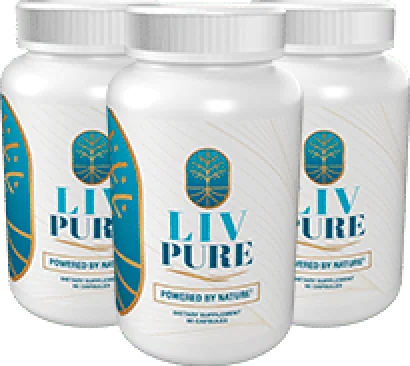
Liv Pure Review: Does It Really Help You Lose Fat Overnight?
Liver-focused supplement promoted through a video-only sales page with unverified overnight fat-loss claims.
Read the review
Finessa Review: Is This Digestive Supplement Legit or Worth the Price?
A multi-herb and probiotic digestive supplement sold on the official website, claimed to support regularity, bile flow, and a flatter belly.
Read the reviewFrequently Asked Questions About Dandelion Root
Does dandelion root really work?
Evidence is limited. A small pilot study of leaf extract found a short-lived increase in urination, but there are no solid human trials showing that the root helps with liver health, weight or digestion. Most claims rest on tradition and lab or animal work.
Is dandelion root safe?
It is generally well tolerated by healthy adults, with mild stomach upset or allergy being the usual issues. It is not suitable for people with gallbladder or bile duct problems or daisy-family allergies, and it may interact with some medicines. Ask a clinician if you are unsure.
Is dandelion root a diuretic?
Traditionally yes, but human evidence is small. The one pilot study often cited used leaf extract, and the effect faded after repeated doses. Do not use it in place of a prescribed water pill.
Can dandelion root help detox the liver?
No human research shows that it detoxifies the liver. Your liver and kidneys handle detoxification on their own. Some lab studies suggest antioxidant activity, but that does not show a benefit in people.
What is the difference between dandelion root and leaf?
They are different plant parts with different compound profiles. The root is higher in inulin and bitter compounds, while the leaf is richer in potassium and is the part used in the small diuretic study. Research on one part cannot be assumed to apply to the other.
Sources
- Dandelion — WebMD
- The diuretic effect in human subjects of an extract of Taraxacum officinale folium over a single day — PubMed
- Taraxaci radix — ESCOP
- Dandelion — Natural Medicines database (commercial product listings)
Last reviewed: