Pine Bark Extract: Benefits, Research & Safety
Pine bark extract is a plant extract, most often made from French maritime pine bark and sold under the trade name Pycnogenol. People take it for its polyphenols (plant antioxidants), mainly for joint comfort, circulation and general wellness. Human studies exist, but they are mostly small, and a Cochrane review found the evidence too limited to draw firm conclusions.
Pine Bark Extract Ingredient Guide
Also known as: Pine bark, Pycnogenol, French maritime pine bark extract, Pinus pinaster (Pinus maritima)
- What it is
- Pine bark extract is a concentrated extract from the bark of pine trees, most commonly the French maritime pine (Pinus pinaster). It contains procyanidins and other polyphenols.
- What it does
- The polyphenols are thought to have antioxidant and anti-inflammatory effects and may influence blood vessel function. Most of this mechanism evidence comes from lab and small human studies.
- How it is used
- It is taken by mouth as capsules or tablets, often once or twice a day. It is sold alone and in joint, circulation and cognitive-support blends.
- Natural sources and forms
- The best-known branded extract is made from French maritime pine bark and standardized to a procyanidin content. Other products may use different pine species or unstandardized bark powder, so results from one extract may not apply to another.
- Why it appears in formulas
- Makers add it as an antioxidant ingredient with a human research history, mainly in joint-comfort and brain or circulation formulas. Its link to blood vessel function fits both product types.
- What to know before use
- Talk to a doctor or pharmacist first if you take blood thinners, diabetes or blood pressure medicines, or immune-suppressing drugs, or if you are pregnant, breastfeeding or have an autoimmune condition.
What the Research Says
Overall: Limited evidence
The research on pine bark extract is real but modest. A 2012 Cochrane review pooled 15 trials with 791 participants across several chronic conditions, including knee osteoarthritis and high blood pressure. The authors cited small trials, few studies per condition, varied outcome measures and risk of bias. They concluded the evidence was insufficient to support use for any chronic disorder.
A 2024 narrative review (not a formal systematic review) counted 39 randomized, placebo-controlled human trials with about 2,000 participants. It reported, among other results, lower blood pressure compared with placebo. Many trials test the same branded extract, and I did not confirm who funded them. Industry involvement is common in this field, so independent replication would add confidence.
The human evidence for cognition is the thinnest of the areas covered here. I did not find a systematic review focused on cognition. Results from one standardized extract should not be assumed to apply to every pine bark product.
| Studied for | What the research says | Evidence |
|---|---|---|
| Knee osteoarthritis | A few small placebo-controlled trials reported improved symptoms such as pain and stiffness. The Cochrane review judged the overall evidence insufficient because of small size and bias risk. | Limited evidence |
| Blood pressure | A 2024 narrative review of placebo-controlled trials reported small reductions in systolic and diastolic blood pressure. Trials were generally small and often used the same branded extract. | Limited evidence |
| Overall chronic conditions | The Cochrane review of 15 trials with 791 people found evidence insufficient to support use for any chronic disorder. | Limited evidence |
| Cognition and brain function | Some small human trials have looked at attention and memory measures. I did not find a systematic review confirming a benefit. | Early evidence |
Did you know? A name that causes confusion
Pycnogenol is a trade name for one specific French maritime pine bark extract, not a general term for all pine bark products. Most of the published human trials use that branded extract, so results may not carry over to other pine bark supplements.
Amounts Used in Studies
These are amounts researchers used, not dosing advice. Ask your doctor or pharmacist what is right for you.
| Form | Amount | Study context |
|---|---|---|
| Standardized French maritime pine bark extract | Roughly 50-200 mg/day, often split into doses | Amounts commonly used in short- to medium-term placebo-controlled trials; this range is general and not checked against each trial in this guide |
Safety, Side Effects and Interactions
Standardized pine bark extract appears to be well tolerated in the studies reviewed. Reported side effects are generally mild and include digestive upset and dizziness. One professional monograph rates it possibly safe in late pregnancy and for up to 3 months in children aged 6 to 18, while another source advises that pregnant and breastfeeding women avoid it because data are lacking. Because sources disagree, pregnancy, breastfeeding and use in children should be discussed with a clinician.
Long-term safety has not been firmly established. Because the extract may affect blood vessels and blood pressure, and possibly blood sugar and immune activity, people on related medicines should take care. One monograph suggests stopping maritime pine at least 2 weeks before scheduled surgery. Rare allergic reactions are possible, particularly if you are sensitive to pine products.
Possible interactions
- May add to the effect of blood pressure medicines, so blood pressure could drop too low.
- May affect blood clotting, so use with warfarin, aspirin or other blood thinners needs medical advice.
- May influence blood sugar, so people on diabetes medicines should check with a clinician.
- Could interact with immune-suppressing medicines because of possible immune effects.
- Interaction data are limited, so ask a pharmacist to review all your medicines and supplements.
Avoid it or ask a doctor first if
- Pregnant or breastfeeding unless a doctor approves
- Taking blood thinners or antiplatelet drugs
- Taking blood pressure or diabetes medicines
- Autoimmune condition or immune-suppressing treatment
- Scheduled surgery within 2 weeks
- Known pine allergy
- Giving to children without medical advice
Supplements We've Reviewed That Contain Pine Bark Extract
Each review checks the full formula, price, refund policy and side effects.

Pineal Guardian X Review: Does It Really Support Healthy Memory?
A multi-herb dropper formula sold on the official website that claims to flush fluoride from the pineal gland and restore melatonin, with no independent clinical evidence for the product itself.
Read the review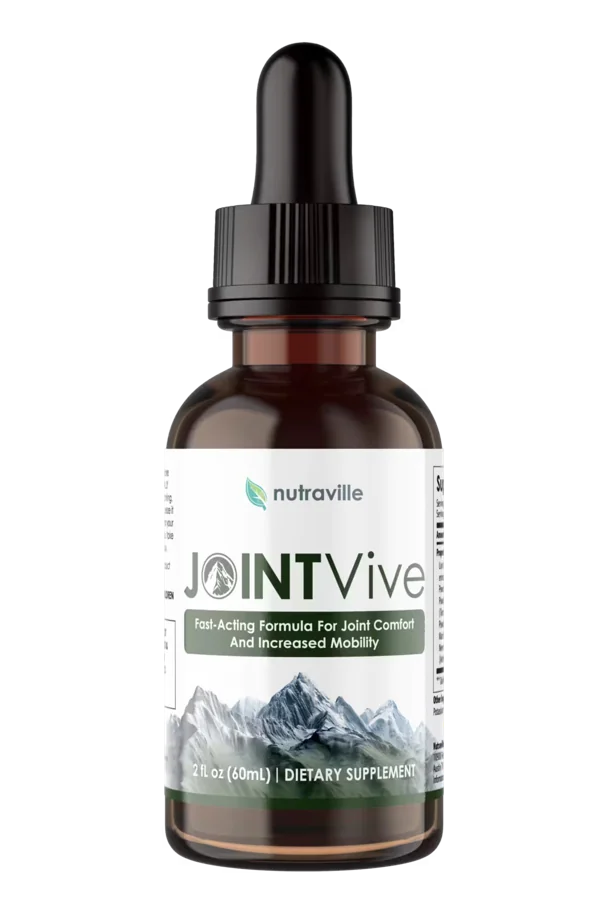
JointVive Review: Does It Really Support Joint Comfort?
A nine-ingredient plant and botanical supplement sold on the official website, marketed for joint comfort and mobility.
Read the review
NeuroPrime Review: Does It Really Support Healthy Memory?
A nine-ingredient plant-based memory-support supplement sold through the official website with a 365-day money-back guarantee.
Read the reviewFrequently Asked Questions About Pine Bark Extract
Does pine bark extract really work?
Research suggests it may support things like joint comfort and blood pressure in some small trials. However, a Cochrane review found the evidence insufficient for any chronic condition, so results are not firmly established.
Is pine bark extract safe?
It appears generally well tolerated in studies, with mild digestive upset and dizziness reported. Long-term safety is not well established, and it may interact with several medicines, so check with a clinician first.
Is Pycnogenol the same as pine bark extract?
Pycnogenol is a branded French maritime pine bark extract. Other pine bark products may differ in species, standardization and quality, so trial results may not apply to them.
Can pine bark extract be taken with blood thinners?
This should only be done with medical advice. The extract may affect blood vessels and clotting, and interaction data are limited.
Why is it in joint and brain supplements?
Makers add it for its antioxidant polyphenols and its human research on joint comfort and circulation. Brain-related evidence is early, so it should be viewed as a supporting ingredient rather than a proven one.
Sources
- Pycnogenol (extract of French maritime pine bark) for the treatment of chronic disorders — Cochrane Library
- Pycnogenol French maritime pine bark extract in randomized, double-blind, placebo-controlled human clinical studies — PubMed
- Maritime pine monograph — Therapeutic Research Center (via vital.ly)
- Pycnogenol — Uniprix natural health products
Last reviewed: