Winged Treebine: Benefits, Research & Safety
Winged treebine (Cissus quadrangularis) is a succulent vine used for centuries in traditional Indian and African medicine. Today its stems are sold as powders and extracts, mainly for bone, joint and weight-management claims. Human research is small and of low quality, so most marketing claims go beyond the evidence.
Winged Treebine (Cissus quadrangularis) Ingredient Guide
Also known as: Cissus quadrangularis, Veldt grape, Devil's backbone, Hadjod, Asthisamharaka, Adamant creeper
- What it is
- Winged treebine is a perennial climbing plant in the grape family, native to parts of Africa, Asia and Arabia. The stems, and sometimes the leaves and roots, are dried or extracted for supplements.
- What it does
- Lab and animal studies suggest the plant has antioxidant and anti-inflammatory activity and may influence bone-forming cells. Whether these effects occur at supplement amounts in people is not established.
- How it is used
- It is taken by mouth as capsules, tablets or powder, often by people interested in bone and joint comfort, recovery from exercise or weight management. In traditional medicine it was also used as a poultice on healing bones.
- Natural sources and forms
- Products use dried stem powder or extracts, sometimes standardized to compounds such as ketosteroids or other phytochemicals. Standardization varies between products, so results from one extract may not apply to another.
- Why it appears in formulas
- Makers add it to bone, joint, fitness and weight-management blends because of its traditional reputation and a few small published trials. It is often paired with other ingredients, which makes its own effect hard to isolate.
- What to know before use
- Long-term human safety is not well studied, and it may affect blood sugar, so talk to a doctor or pharmacist first if you take medicines or have a health condition. Avoid it during pregnancy and breastfeeding.
What the Research Says
Overall: Limited evidence
Human research on winged treebine is limited. Most evidence comes from lab and animal studies, which cannot show that a supplement works in people.
A 2025 systematic review and meta-analysis of bone-related biomarkers pooled 7 randomized trials with 354 participants. Doses ranged from 500 mg/day to 10 g/day over 4 to 24 weeks. Parathyroid hormone was higher with winged treebine, but calcium, phosphorus and alkaline phosphatase did not differ from control. The authors rated the certainty of the evidence as very low, most trials had some concerns about bias, and two were at high risk. They described the evidence as limited and called for more research.
Small trials have also looked at weight and metabolic markers, often using a proprietary formulation or combinations with other ingredients. Those studies were small, so their results are early and need confirming in larger, independent trials.
Overall, there are a few promising signals but no firm conclusions. Results from one product cannot be assumed to apply to another.
| Studied for | What the research says | Evidence |
|---|---|---|
| Bone-related markers | A 2025 meta-analysis of 7 small trials found higher parathyroid hormone but no clear change in calcium, phosphorus or alkaline phosphatase. Certainty was rated very low. | Limited evidence |
| Weight and metabolic markers | A few small trials of a specific formulation reported greater reductions in weight and waist size than placebo. These trials were small and often used combined ingredients, so the results are early. | Early evidence |
| Joint and musculoskeletal comfort | Some small studies looked at joint pain and exercise-related discomfort, with mixed or preliminary results. Study quality varies and larger trials are lacking. | Early evidence |
| Hemorrhoid symptoms | A larger study cited by consumer health sources found it no more effective than placebo for reducing hemorrhoid symptoms. | Limited evidence |
Did you know? A vine with many nicknames
Winged treebine is called "devil's backbone" and "hadjod", a Hindi name often translated as "bone-setter", because of its traditional use for healing bones. That traditional reputation helped drive modern interest, though human trials have not confirmed it.
Amounts Used in Studies
These are amounts researchers used, not dosing advice. Ask your doctor or pharmacist what is right for you.
| Form | Amount | Study context |
|---|---|---|
| Dried stem powder or extract (varied products) | 500 mg/day to 10 g/day | Bone-related trials lasting 4 to 24 weeks, per a 2025 meta-analysis |
| Standardized proprietary extract | Varies by trial; typically several hundred mg per day | Small weight and metabolic trials lasting several weeks. Amounts differ by product and are not a recommendation. |
Safety, Side Effects and Interactions
Winged treebine is generally described as possibly safe for short-term oral use, roughly up to 6 to 8 weeks, in consumer safety summaries. Long-term safety in people has not been well studied. Details of adverse events are poorly reported in the trials we reviewed.
A subchronic toxicity study of one extract in animals found no treatment-related toxicity, but animal results do not guarantee safety in people. Reported side effects in consumer sources include digestive upset such as gas, diarrhea or dry mouth, and headache or sleeplessness. We did not find a LiverTox or NCCIH monograph for this herb, and rat studies suggest liver-protective effects, but that does not rule out rare reactions in people.
Because of limited data, it is generally advised to avoid it during pregnancy and breastfeeding. Because it may lower blood sugar, people with diabetes or those having surgery should speak with a healthcare provider. Supplements are not tested for quality the way medicines are, so product content can vary.
Possible interactions
- May lower blood sugar, so it could add to the effect of diabetes medicines.
- May affect blood sugar control around surgery, so tell your surgical team if you take it.
- May interact with blood-thinning or other medicines. Data are limited, so ask a pharmacist.
- Combination products may contain other ingredients that interact with medicines.
Avoid it or ask a doctor first if
- Pregnant or breastfeeding
- Taking diabetes medicines (ask a doctor first)
- Scheduled for surgery soon
- Taking prescription medicines (ask a doctor or pharmacist)
- Children, unless a healthcare provider advises it
- Have liver or kidney disease (ask a doctor first)
Supplements We've Reviewed That Contain Winged Treebine (Cissus quadrangularis)
Each review checks the full formula, price, refund policy and side effects.
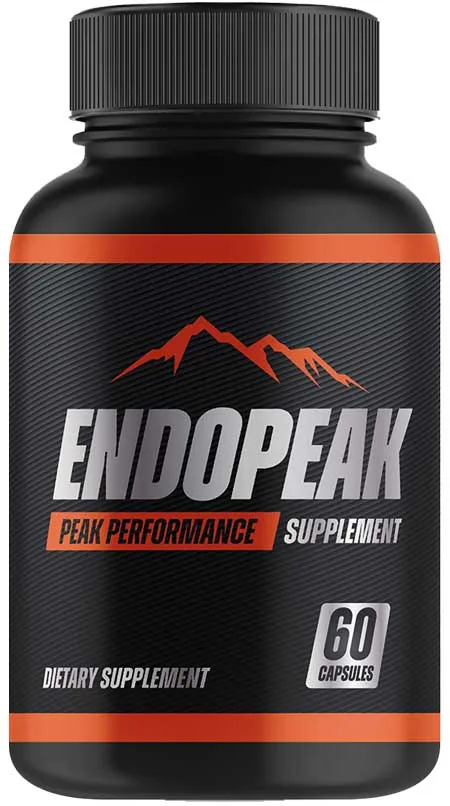
EndoPeak Review: Does It Really Support Healthy Erections and Stamina?
A men's sexual-wellness dietary supplement in capsule form, sold in 60, 90, and 180-day packages through the official website.
Read the reviewFrequently Asked Questions About Winged Treebine (Cissus quadrangularis)
Does winged treebine really work?
The evidence is limited. A 2025 meta-analysis of 7 small trials found a change in parathyroid hormone but no clear effect on other bone markers, and the authors rated certainty very low. Small weight-related trials are interesting but early, so claims should be viewed cautiously.
Is winged treebine safe?
It is considered possibly safe for short-term use in most healthy adults, but long-term human safety data are lacking. It may lower blood sugar and should be avoided during pregnancy and breastfeeding. Check with a healthcare provider before using it, especially if you take medicines.
What is winged treebine called on supplement labels?
It may appear as winged treebine, Cissus quadrangularis, veldt grape, devil's backbone or hadjod. Some labels list only the Latin name, so check the ingredient panel and the part of the plant used.
Can winged treebine help with weight loss?
A few small trials of specific formulations reported greater reductions in weight than placebo. These studies were small, often combined with other ingredients, and not enough to say it helps with weight loss.
How long can people take it?
Studies have mostly lasted from 4 to 24 weeks, and consumer safety summaries note short-term use only. Long-term effects are unknown. Ask a healthcare professional before using it for an extended period.
Sources
- The effects of Cissus quadrangularis on bone-related biomarkers in humans: a systematic review and meta-analysis — BMC Complementary Medicine and Therapies (PMC)
- Cissus quadrangularis systematic review of randomized trials — PubMed
- Safety assessment of Cissus quadrangularis extract (CQR-300): subchronic toxicity and mutagenicity studies — PubMed
- The use of a Cissus quadrangularis formulation in the management of weight loss and metabolic syndrome — PubMed
- Cissus Quadrangularis — RxList
- Cissus quadrangularis — Healthline
Last reviewed: