Glucosamine: Benefits, Research & Safety
Glucosamine is an amino sugar found naturally in cartilage and joint fluid. People take it as a supplement, often hoping to support joint comfort and mobility, especially in the knees. Research results are mixed, so it helps to know what has and hasn't been shown.
Glucosamine Ingredient Guide
Also known as: Glucosamine sulfate, Glucosamine hydrochloride, N-acetyl glucosamine (NAG), Chitosamine
- What it is
- Glucosamine is an amino sugar that the body makes and uses to build cartilage and other connective tissues. Supplements provide it in concentrated form.
- What it does
- It is thought to supply building blocks for cartilage and may have mild effects on joint inflammation. These ideas come largely from lab and animal work, and human results are inconsistent.
- How it is used
- It is taken by mouth, usually as a daily capsule or tablet, and often combined with chondroitin. Some people use topical creams or N-acetyl glucosamine products.
- Natural sources and forms
- Most supplements are made from shellfish shells, though corn-derived versions exist. Common forms are glucosamine sulfate, glucosamine hydrochloride and N-acetyl glucosamine, and product quality varies.
- Why it appears in formulas
- Makers add it to joint-support formulas because of its long history of use and public familiarity. It is often paired with chondroitin, MSM or turmeric.
- What to know before use
- If you take warfarin, have a shellfish allergy, asthma, glaucoma or diabetes, or are pregnant or breastfeeding, talk with a healthcare provider before using it.
What the Research Says
Overall: Moderate evidence
Glucosamine is among the most studied joint supplements, but the overall picture is mixed. Many trials have looked at knee osteoarthritis. Some, mostly those using prescription-grade or specific glucosamine sulfate, reported modest improvements in pain and function. Other large, well-designed trials, including those combining it with chondroitin, found little or no benefit over placebo.
MedlinePlus (drawing on Natural Medicines) rates glucosamine sulfate as likely effective for knee osteoarthritis after at least 4 weeks. It describes hydrochloride products as less effective on their own. NCCIH, by contrast, says it is still uncertain whether glucosamine and chondroitin help knee osteoarthritis symptoms. It notes that two large 2-year trials gave conflicting results on joint space. The 2019 ACR/Arthritis Foundation guideline strongly recommends against chondroitin alone or combined with glucosamine for knee osteoarthritis.
Differences in product form, study length, funding and participant severity make results hard to compare. Evidence for other joints and other conditions is limited. Evidence that it prevents osteoarthritis is not convincing.
| Studied for | What the research says | Evidence |
|---|---|---|
| Knee osteoarthritis pain and function | Some trials of glucosamine sulfate found modest pain and function improvements, while other large trials found little difference from placebo. Expert groups disagree on its value. | Moderate evidence |
| Joint structure (joint space) | Two large 2-year trials of glucosamine with chondroitin gave conflicting results on joint-space narrowing, so an effect on cartilage is unproven. | Limited evidence |
| Other joints and joint pain in general | Only a small amount of research covers joints other than the knee, and it is not enough to draw conclusions. | Limited evidence |
| Preventing osteoarthritis | Glucosamine does not appear to lower the risk of developing osteoarthritis. | Limited evidence |
| Rheumatoid arthritis and multiple sclerosis | Evidence is insufficient to judge whether it helps with these conditions. | Early evidence |
Did you know? Not all glucosamine is the same
Research on glucosamine often differs by chemical form. MedlinePlus notes that glucosamine sulfate has more favorable results than hydrochloride used alone. Some products contain none to over 100% of the labeled amount, or a different form than listed.
Amounts Used in Studies
These are amounts researchers used, not dosing advice. Ask your doctor or pharmacist what is right for you.
| Form | Amount | Study context |
|---|---|---|
| Glucosamine sulfate, oral | About 1,500 mg/day | Typical adult amount cited for knee osteoarthritis; studies ran from several weeks to up to 3 years |
| Glucosamine hydrochloride, oral | About 1,500 mg/day | Often combined with chondroitin in trials; results less consistent than for sulfate |
| N-acetyl glucosamine, enema | 3-4 g/day | Small studies in other uses, not joint health |
Safety, Side Effects and Interactions
In large studies, glucosamine has not shown major safety problems, and NCCIH reports no serious safety concerns. MedlinePlus lists glucosamine sulfate as likely safe for up to 3 years and hydrochloride as possibly safe for up to 2 years. N-acetyl glucosamine is possibly safe for up to 6 months.
The most common side effects are mild: bloating, nausea, diarrhea and constipation. Many supplements come from shellfish shells, so people with shellfish allergy should ask a provider first. Older concerns about blood sugar, cholesterol and blood pressure have not been borne out in most research. People with diabetes may still choose to monitor glucose more closely.
Some reports suggest it may worsen asthma or raise eye pressure in people with glaucoma. There is not enough information to call it safe in pregnancy or breastfeeding, so avoiding it is advised. Product quality varies. Some products contain far less or more than the label states, or contain a different form than the one listed.
Possible interactions
- Warfarin: glucosamine may increase its blood-thinning effect and bleeding risk. Do not combine without medical guidance.
- Topoisomerase II inhibitor cancer drugs (such as etoposide or doxorubicin): it may reduce their effectiveness.
- Diabetes medicines: it may slightly affect their action, so blood sugar monitoring may be wise.
- Acetaminophen: glucosamine sulfate may affect how each works, but more research is needed.
- Chondroitin sulfate: may lower blood levels of glucosamine hydrochloride.
Avoid it or ask a doctor first if
- Taking warfarin or other blood thinners
- Shellfish allergy (unless the product is confirmed shellfish-free)
- Pregnant or breastfeeding
- Asthma
- Glaucoma
- Diabetes (ask a doctor first)
- Receiving chemotherapy with topoisomerase II inhibitors
Supplements We've Reviewed That Contain Glucosamine
Each review checks the full formula, price, refund policy and side effects.
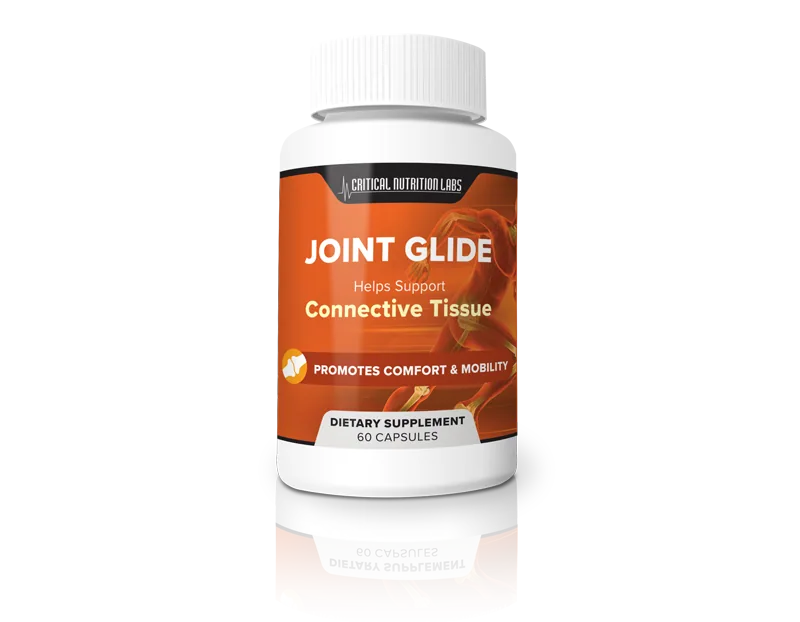
Joint Glide Review: Does It Really Work for Joint Pain?
A joint-health capsule supplement sold only through the official website, promoted with claims that a 'rust enzyme' (MMP) causes joint pain.
Read the reviewFrequently Asked Questions About Glucosamine
Does glucosamine really work?
Research is mixed. Some trials of glucosamine sulfate found modest improvements in knee osteoarthritis pain, while other large trials found little benefit over placebo. NCCIH says it is still uncertain whether it helps, and a major guideline advises against glucosamine with chondroitin for knee osteoarthritis.
Is glucosamine safe?
For most healthy adults, glucosamine appears well tolerated, with mostly mild digestive side effects. It can interact with warfarin and may not suit people with shellfish allergy, asthma, glaucoma or diabetes. It is not recommended in pregnancy or breastfeeding because data are lacking.
Is glucosamine sulfate better than glucosamine hydrochloride?
Most positive findings come from glucosamine sulfate. MedlinePlus says hydrochloride products appear less effective unless combined with other ingredients. Evidence is still mixed for both.
Can I take glucosamine if I have a shellfish allergy?
Many supplements are made from shellfish shells, so check with a healthcare provider first. Some products are made from corn, but look for clear labeling and quality testing.
How long does it take to notice any effect?
In studies of glucosamine sulfate for knee osteoarthritis, people used it for at least 4 weeks, and often much longer, before changes in symptoms were assessed. Many people notice nothing, and individual results vary.
Sources
- Glucosamine and Chondroitin for Osteoarthritis: What You Need To Know — NCCIH
- Osteoarthritis: In Depth — NCCIH
Last reviewed: