Shilajit: Benefits, Research & Safety
Shilajit is a sticky, tar-like resin that seeps from rocks in mountain regions such as the Himalayas. It has a long history in Ayurvedic practice. Today people take it for energy, male hormone health and general vitality, but the human research is small and early.
Shilajit Ingredient Guide
Also known as: Shilajeet, Mumijo (mumio), Mineral pitch, Asphaltum punjabianum
- What it is
- Shilajit is a blackish-brown resin formed over centuries from decomposed plant matter and minerals in high-altitude rocks. Its main described component is fulvic acid, along with other organic compounds and minerals.
- What it does
- Fulvic acid and related compounds show antioxidant and other activity in lab and animal studies. Whether this carries over to people taking shilajit is not established.
- How it is used
- It is sold as a raw resin, powder, capsules or gummies. Traditional use involves dissolving purified resin in warm water or milk.
- Natural sources and forms
- It is collected from rock formations in mountain ranges, and its composition varies by region and batch. Supplements range from crude resin to purified extracts, and some state a fulvic acid percentage, though standards are not uniform.
- Why it appears in formulas
- Makers add it as a traditional, mineral-rich ingredient for energy, vitality and men's wellness blends. It is also used for its natural-origin appeal.
- What to know before use
- Contamination is the main concern: raw shilajit has been reported to contain heavy metals such as lead, arsenic, mercury and cadmium. Talk to a clinician first if you are pregnant, take medicines, or have a medical condition, and choose products with a batch-specific third-party test.
What the Research Says
Overall: Early evidence
Most of what is claimed for shilajit comes from test-tube and animal studies. Human research is limited to a small number of short trials, many of them small and some funded by makers of a particular extract.
The best-known human work looked at testosterone and sperm measures in men, and a few studies looked at fatigue, muscle strength and thinking. Some reported modest improvements compared with placebo. However, the studies were small, used different products, and have not been confirmed in large independent trials.
Natural Medicines says there is not enough reliable information to judge whether shilajit works for its common uses. A Cleveland Clinic physician has said the current science does not justify clinical use. No long-term safety data exist, and the content of products varies a great deal.
Overall, shilajit is an interesting traditional ingredient with preliminary human data. It should not be seen as a proven way to treat any condition.
| Studied for | What the research says | Evidence |
|---|---|---|
| Testosterone and male fertility | A few small trials reported higher testosterone and some sperm measures in men taking a specific purified extract versus placebo. The studies were small, older and not independently confirmed. | Early evidence |
| Energy, fatigue and muscle strength | Small studies have looked at fatigue and strength measures, with some reported benefits. Findings are preliminary and product-specific. | Early evidence |
| Memory and thinking | Lab work on fulvic acid suggests possible effects on proteins linked to cognitive decline. Human evidence is lacking. | Early evidence |
| Bone health | Small studies suggest possible effects on bone healing and bone loss. The data are limited and not conclusive. | Early evidence |
Did you know? Fulvic acid gets the attention
Much of the interest in shilajit comes from fulvic acid, which is studied in the lab. Results with isolated fulvic acid may not apply to a whole shilajit product, and the amount of fulvic acid varies between products.
Amounts Used in Studies
These are amounts researchers used, not dosing advice. Ask your doctor or pharmacist what is right for you.
| Form | Amount | Study context |
|---|---|---|
| Purified shilajit extract (capsules) | About 250 mg twice daily (500 mg/day) | Reported in about 90-day trials in men; details differ between sources, so check original papers |
Safety, Side Effects and Interactions
Purified shilajit appears to be tolerated by most adults in small, short studies, but safety data are limited and long-term data are missing. Reported side effects include sore throat, headache, dizziness, nausea, vomiting and diarrhea. Allergic reactions are possible.
Because shilajit may raise testosterone, there are concerns about effects in women, such as acne, irregular periods or hair loss. One case report described pseudohyperaldosteronism, a condition with high blood pressure and low potassium.
The biggest safety issue is quality. A review found raw shilajit often contains aluminum, arsenic, cadmium, mercury, lead and fungi, and a later study reported that some supplements had high thallium levels. The FDA does not review supplements for safety or effectiveness before sale, so labels cannot be assumed to be accurate. Stop use and seek care if you have signs of an allergic reaction or serious symptoms.
Possible interactions
- It may add to the effect of testosterone products, so people on testosterone therapy should check with a clinician.
- It may lower blood pressure, so it could add to the effect of blood pressure medicines.
- It may affect blood sugar, so people taking diabetes medicines should ask a clinician.
- Concerns have been raised about blood thinners and clotting, though specific interactions are not well studied.
- Because it contains iron and minerals, it may matter for people on iron-related treatment.
Avoid it or ask a doctor first if
- Pregnant, breastfeeding or trying to conceive
- Hemochromatosis or iron overload
- Kidney or liver disease (ask a doctor first)
- Prostate problems or hormone-sensitive conditions
- Heart disease, blood pressure problems or bleeding disorders
- Allergy to shilajit, mumio or mineral pitch
- Children
- Autoimmune conditions such as lupus or rheumatoid arthritis (ask a doctor first)
Supplements We've Reviewed That Contain Shilajit
Each review checks the full formula, price, refund policy and side effects.
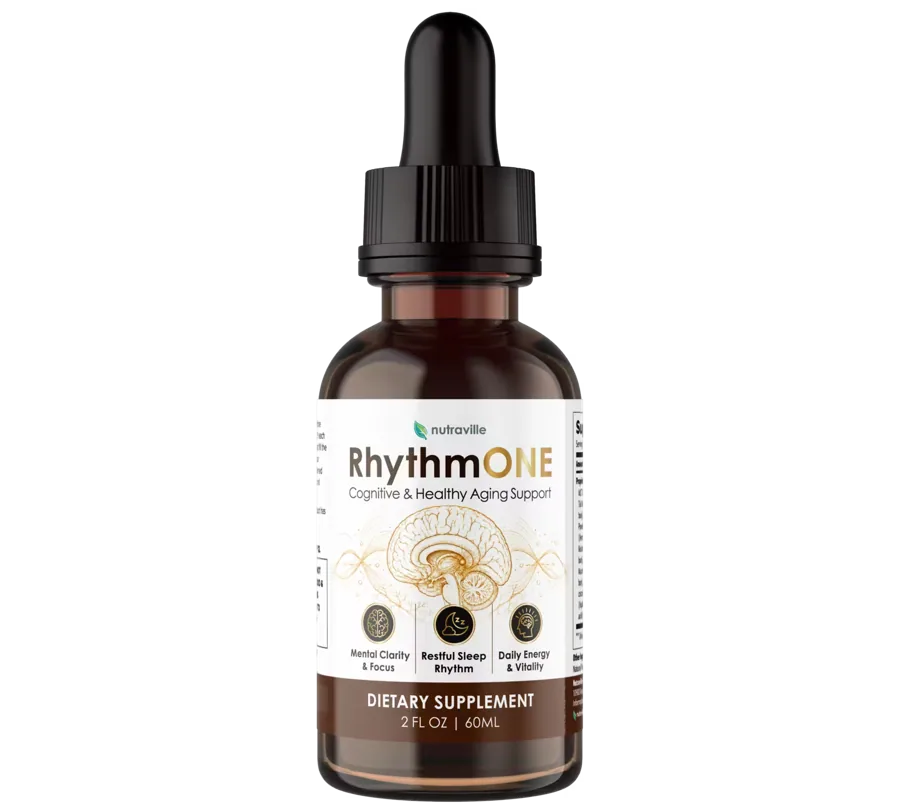
RhythmONE Review: Does It Really Support Healthy Memory?
Plant-based memory and brain-health supplement sold only through the official website, with a 365-day refund claim and a 6-bottle best-value option.
Read the review
NeuroVera Review: Does It Really Support Healthy Memory?
A plant-based capsule supplement marketed to support memory function and brain health, sold through the official website with a 365-day money-back guarantee.
Read the review
Neura Review: Does It Really Support Memory and Focus?
Neura review: we break down the four ingredients, price, 90-day refund policy and side effects to help you decide if this brain supplement is worth it.
Read the reviewFrequently Asked Questions About Shilajit
Does shilajit really work?
Research is early. A few small human trials reported modest changes in testosterone and energy-related measures, but they were small and often tied to one extract. Large, independent trials are lacking.
Is shilajit safe?
Purified shilajit seems tolerated by most adults in short studies, but long-term safety is unknown. Contamination with heavy metals in raw or poorly made products is a real concern, and several groups should avoid it or ask a doctor first.
Can shilajit contain heavy metals?
Yes. Reviews have found lead, arsenic, cadmium, mercury and other metals in raw shilajit, and some supplements have also shown contamination. Look for a batch-specific certificate of analysis from an independent lab.
Is shilajit the same as a testosterone booster?
It is often marketed that way, but the evidence is limited to a few small trials. It is not a medicine and should not replace medical care for low testosterone.
Can women take shilajit?
Safety data in women are limited. Because it may raise testosterone, there are concerns about acne, irregular periods and hair loss, and it should be avoided in pregnancy and breastfeeding.
Sources
- Shilajit: what to know about the benefits — Cleveland Clinic
- Shilajit: Uses, Side Effects, Interactions — WebMD
- Shilajit supplements review — ConsumerLab
Last reviewed: