Maca Root: Benefits, Research & Safety
Maca is a root vegetable from the high Andes of Peru, sold as a powder, capsule or extract. People take it mainly for sexual desire, energy and menopause comfort. The human research is small and mixed, so it is best viewed as an ingredient with early, limited evidence.
Maca Root Ingredient Guide
Also known as: Lepidium meyenii, Peruvian ginseng, Andean maca
- What it is
- Maca (Lepidium meyenii) is a cruciferous root vegetable, related to radish and turnip, grown at high altitude in the Peruvian Andes. It has been eaten as food there for centuries.
- What it does
- How maca might work is not established. Lab and animal work points to plant compounds such as macamides and glucosinolates, and it is not thought to change sex hormone levels in the way a hormone does.
- How it is used
- It is taken as a dried root powder, in capsules or tablets, or as a concentrated extract, usually daily for several weeks. People use it for libido, energy, mood and menopause symptoms.
- Natural sources and forms
- The root comes in yellow, red and black varieties. Products include raw powder, gelatinized powder (starch removed by heating) and extracts. There is no standard marker compound, so potency varies between products.
- Why it appears in formulas
- Makers add maca to male-vitality, libido and energy formulas because of its traditional reputation and some small studies on sexual desire. It also fits the 'natural' positioning of such products.
- What to know before use
- Extracts may have estrogen-like activity, so people with hormone-sensitive conditions should ask a doctor first. Evidence for benefit is limited, so expectations should be modest.
What the Research Says
Overall: Limited evidence
Human research on maca is small. A systematic review of randomized trials on sexual function (Shin et al.) found only four trials. Two suggested benefit in menopausal women or healthy men, one found no effect in cyclists, and one reported improvement in men with mild erectile dysfunction. The authors judged the evidence limited.
A later review of menopausal women found three studies with 85 participants and mixed results on sexual desire. A broader review of 57 studies (14 clinical, 43 preclinical) found unclear risk of bias and too much variation in doses and durations to pool results.
Most trials ran 6 to 16 weeks, enrolled few people and used different maca types, so results are hard to compare. Much of the work on energy, mood, fertility and exercise is animal or test-tube research and cannot be assumed to apply to people. Long-term effects and the best form and duration are unknown.
| Studied for | What the research says | Evidence |
|---|---|---|
| Sexual desire | Some small placebo-controlled trials reported higher self-rated desire, while others found no effect. Reviews call the evidence limited. | Limited evidence |
| Erectile function | One small trial in men with mild erectile dysfunction reported improvement in self-reported measures. This needs larger confirmation. | Early evidence |
| Menopausal symptoms | A few small trials in postmenopausal women explored sexual function and symptoms with mixed results. Data on how long and how much are lacking. | Limited evidence |
| Energy and exercise | Most positive findings come from animals. A human trial in cyclists found no improvement in sexual desire, and performance evidence is weak. | Early evidence |
Did you know? A food long before it was a supplement
Maca grows at altitudes above 4,000 meters in the Peruvian Andes, one of the few crops that survives there. It has been eaten as a root, roasted or in drinks, for centuries, and most modern trials use powdered root rather than the concentrated extracts found in many supplements.
Amounts Used in Studies
These are amounts researchers used, not dosing advice. Ask your doctor or pharmacist what is right for you.
| Form | Amount | Study context |
|---|---|---|
| dried root powder or gelatinized maca | 1.5 to 3 g/day | Trials of roughly 6 to 16 weeks in adults, mostly on sexual function |
Safety, Side Effects and Interactions
Maca is eaten as food in Peru, and MedlinePlus describes it as likely safe in food amounts and possibly safe as a medicine in the short term, with doses up to 3 grams daily used for up to 4 months. Reported side effects are uncommon and mild, mostly stomach upset and headache. LiverTox found no convincing link between maca and liver injury, though use as a supplement has been limited.
Some sources note that extracts might act like estrogen, though this is not proven in people. As a cruciferous vegetable it contains glucosinolates, which in very large amounts from other plants are linked to thyroid effects. Safety in pregnancy, breastfeeding and children has not been established, and long-term safety data are lacking. Supplement purity and strength also vary between products.
Possible interactions
- It is not known whether maca interacts with medicines, so check with a pharmacist or doctor if you take any.
- Because of possible estrogen-like activity, it could in theory interact with hormone therapy, birth control or hormone-blocking cancer drugs.
- Maca contains glucosinolates, so people on thyroid medicine should check with a clinician.
- MedlinePlus lists no known interactions with other herbs or supplements, but data are limited.
Avoid it or ask a doctor first if
- Breast, ovarian or uterine cancer, or other hormone-sensitive conditions
- Endometriosis or uterine fibroids
- Pregnant or breastfeeding
- Thyroid conditions, unless a doctor agrees
- Taking prescription medicines, without medical advice
- Children
Supplements We've Reviewed That Contain Maca Root
Each review checks the full formula, price, refund policy and side effects.
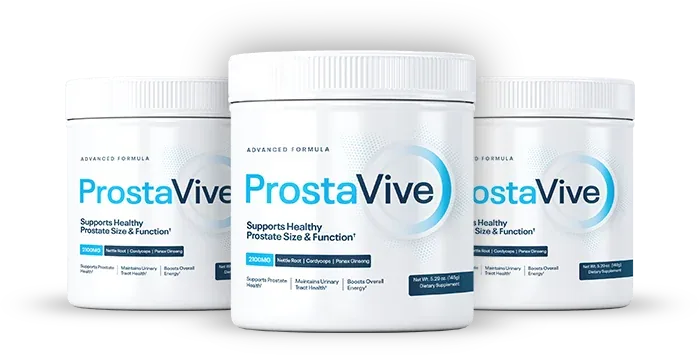
ProstaVive Review: Is It Legit or Just Hype for Prostate Support?
Men's prostate-support supplement sold on the official website with bulk-pack pricing and a 180-day refund claim; its health claims go well beyond the evidence shown on the page.
Read the review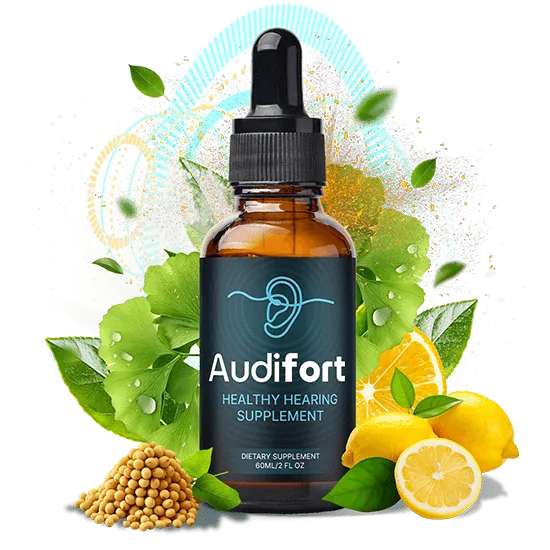
Audifort Review: Is It Legit and Does It Really Support Hearing?
Liquid hearing-support supplement sold on the official website with multi-bottle pricing and a 90-day money-back guarantee; the ingredient evidence for hearing is not established.
Read the review
Sugar Defender Review: Does It Really Support Healthy Blood Sugar?
Blood sugar and energy liquid supplement sold on the official website with a 60-day money-back guarantee; the company's claims are not independently verified and buyer refund complaints are documented.
Read the review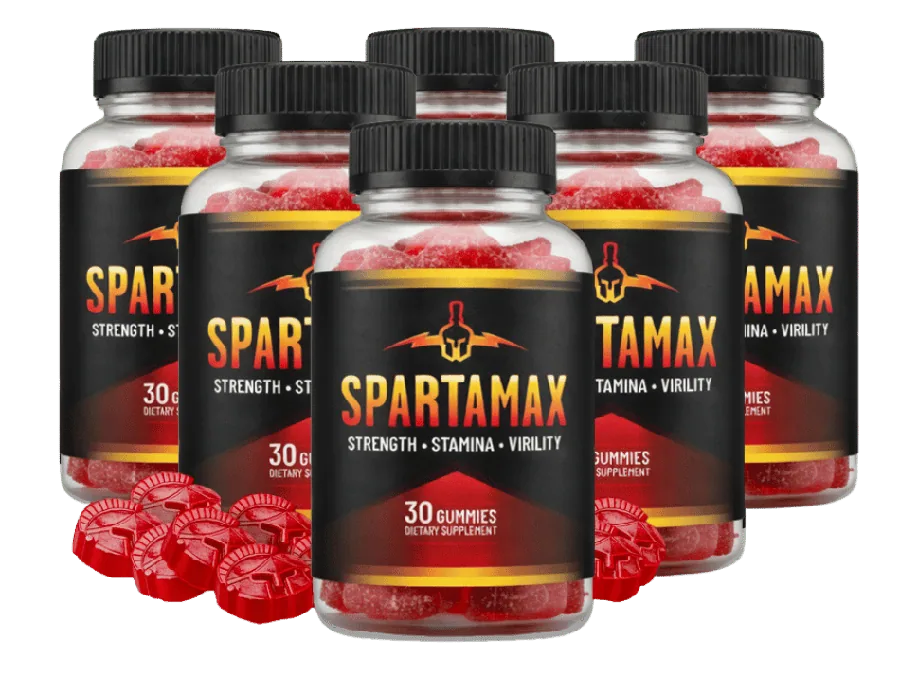
Spartamax Review: Does This Men's Gummy Really Work?
A men's daily gummy with seven herbal and amino-acid ingredients, sold only on the official website with a stated 365-day money-back guarantee; the health claims are not supported by strong human evidence.
Read the reviewFrequently Asked Questions About Maca Root
Does Maca Root really work?
Research suggests it may modestly support sexual desire in some people, but the trials are small, short and mixed. Reviews describe the evidence as limited. It is not a proven treatment for any condition.
Is Maca Root safe?
Maca is likely safe in food amounts, and short-term supplement use up to about 3 grams daily appeared safe in studies for up to 4 months. Side effects are usually mild, such as stomach upset or headache. People with hormone-sensitive conditions, pregnant or breastfeeding women and those on medicines should ask a doctor first.
What is the difference between raw and gelatinized maca?
Gelatinized maca is heated to remove starch, which makes it more concentrated and easier to digest. Raw maca is simply dried and ground. No good human research shows that one works better than the other.
How long does maca take to work?
Studies that reported effects usually ran for 6 to 16 weeks, so any change was measured after weeks of daily use rather than right away. Many people notice nothing, as results across trials are mixed.
Does maca change hormone levels?
Small trials generally did not find changes in testosterone or estrogen levels with maca. Its effects, if any, are not thought to work through changing sex hormones, but research is limited.
Sources
- Maca (L. meyenii) for improving sexual function: a systematic review — BMC Complementary and Alternative Medicine (PMC)
- Maca — LiverTox, NCBI Bookshelf
- A systematic review of the versatile effects of the Peruvian maca — Phytomedicine Plus
Last reviewed: