Raspberry: Benefits, Research & Safety
Raspberry in a supplement usually means an extract of the red raspberry fruit, rich in plant polyphenols such as ellagitannins. It can also mean raspberry ketone, a separate aroma compound sold in weight-management products. People take it mainly for its antioxidant content, but most human research is on the whole fruit, not on supplement extracts.
Raspberry Ingredient Guide
Also known as: Red raspberry, Rubus idaeus, Raspberry extract, Raspberry ketone (a separate compound)
- What it is
- Raspberry (Rubus idaeus) is a berry-producing shrub. Supplements use extracts of the fruit, or sometimes the isolated compound raspberry ketone.
- What it does
- The fruit contains polyphenols, mainly ellagitannins, anthocyanins and ellagic acid. These are studied for antioxidant and anti-inflammatory activity, mostly in lab and small human studies.
- How it is used
- It is taken as capsules or powders, or eaten as fresh or frozen fruit. Raspberry ketone products are marketed separately for weight management.
- Natural sources and forms
- Sources include whole fruit, fruit powders and extracts, which are sometimes standardized to ellagic acid. Raspberry ketone is often made synthetically, because natural raspberries contain only tiny amounts.
- Why it appears in formulas
- Makers add it as an antioxidant-rich botanical. In a multi-ingredient prostate formula it is generally a supporting ingredient, and the individual amount is often not disclosed on a blend label.
- What to know before use
- Do not assume a supplement works like eating the fruit, and be wary of raspberry ketone products, whose safety at supplement doses has not been established in humans. Check with a doctor or pharmacist first if you take medicines or have a medical condition.
What the Research Says
Overall: Early evidence
Most human research on raspberry looks at eating the whole fruit, often as frozen or dried raspberries. Those studies are mostly small and short, and they measure markers such as cholesterol, blood pressure, blood sugar response, vascular function and gut health.
Some reviews point to modest favorable changes in cardiometabolic markers. Other reviews say more and larger human trials are still needed. It is also unclear whether benefits seen with whole fruit carry over to concentrated extracts. Some of the amounts linked to effects would take large servings of fresh fruit.
For raspberry ketone, the picture is weaker. The main human work is very limited and often combined it with other ingredients, so its own effect cannot be isolated. Much of the safety data comes from short-term animal studies.
I found no independent clinical evidence that raspberry extract supports prostate health, which is how it is positioned in some multi-ingredient formulas. Treat any such claim as unproven.
| Studied for | What the research says | Evidence |
|---|---|---|
| Cholesterol and heart-health markers | Small trials and some reviews of berry or raspberry intake report favorable changes in markers such as LDL cholesterol and vascular function. The studies are small and mostly use whole fruit. | Limited evidence |
| Blood sugar and gut health | A small trial in adults with prediabetes studied daily whole red raspberries and reported positive effects on gut-related measures. Reviewers say larger trials are needed. | Early evidence |
| Antioxidant activity | Raspberry ellagitannins and other polyphenols show antioxidant and anti-inflammatory activity in lab studies. That does not show a health benefit in people. | Early evidence |
| Weight loss (raspberry ketone) | No reliable human evidence shows that raspberry ketone alone causes fat loss. The few human data are limited and involve other ingredients. | Early evidence |
Did you know? Natural raspberries hold very little raspberry ketone
The raspberry ketone in supplements is usually made synthetically, because the fruit contains only tiny traces. Food intake is about a few milligrams a day, while supplements can supply hundreds of milligrams. That gap is one reason researchers say its safety is unknown.
Amounts Used in Studies
These are amounts researchers used, not dosing advice. Ask your doctor or pharmacist what is right for you.
| Form | Amount | Study context |
|---|---|---|
| Whole red raspberries (frozen) | About 125 g/day | Four-week trial in a small group of adults with prediabetes |
| Raspberry ketone supplements | Products contain roughly 100 to 1,400 mg | Marketed amounts, far above the few milligrams per day from food. Safety at these amounts has not been evaluated in humans. |
Safety, Side Effects and Interactions
Eating raspberries as food is generally well tolerated. Raspberry extracts have not been studied as extensively. The large amounts found in some concentrated products could in theory cause stomach upset, and people with a berry allergy could react.
Raspberry ketone has a thinner safety record. Dietary intake is only a few milligrams a day, while supplements deliver far more. A toxicology assessment found the lowest recommended supplement dose well above a threshold of concern, and it raised possible effects on the heart and development, based on computer models and short-term rat studies. Reported effects include heart palpitations and jitteriness.
The FDA does not require supplements to be proven safe or effective before sale, so quality and actual content can vary. In a multi-ingredient product, other ingredients may carry their own risks. Stop use and seek medical advice if you notice a fast heartbeat, rash, swelling or other unexpected symptoms.
Possible interactions
- Raspberry ketone may affect heart rate, so be careful with stimulants and heart or blood pressure medicines.
- Raspberry polyphenol extracts could add to the effects of medicines for blood sugar, cholesterol or blood pressure, so a pharmacist should review them.
- Ask a pharmacist about blood thinners, since there is little interaction research on concentrated raspberry extracts.
- Multi-ingredient formulas can interact through other ingredients, so show the full label to a clinician.
Avoid it or ask a doctor first if
- Pregnant or breastfeeding, unless your doctor agrees
- Allergic to raspberries or other berries
- Have a heart rhythm problem or high blood pressure (raspberry ketone products)
- Take prescription medicines for the heart, blood sugar or cholesterol
- Have a prostate or urinary condition that has not been checked by a doctor
- Scheduled for surgery soon
Supplements We've Reviewed That Contain Raspberry
Each review checks the full formula, price, refund policy and side effects.
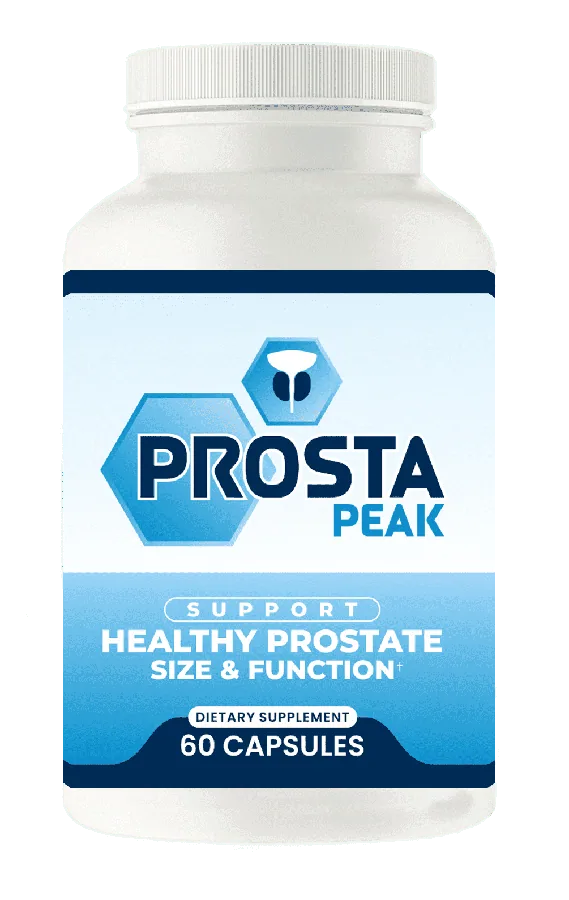
Prosta Peak Review: Does It Really Support Prostate Health?
A capsule supplement marketed for prostate health, sold only through the official website with a 90-day money-back guarantee stated on the sales page.
Read the reviewFrequently Asked Questions About Raspberry
Does raspberry really work?
Research suggests whole raspberries may support some heart and metabolic markers, but the trials are small and short. Evidence for concentrated extracts is early, and no reliable human data show that raspberry ketone causes weight loss. There is no solid evidence for prostate benefits.
Is raspberry safe?
Raspberries as food are generally well tolerated. Extracts have less safety data, and raspberry ketone at supplement amounts has not been evaluated in humans. Talk to a doctor or pharmacist first if you are pregnant, take medicines or have a health condition.
What is the difference between raspberry extract and raspberry ketone?
Raspberry extract is a concentrate of the fruit with polyphenols such as ellagitannins. Raspberry ketone is one aroma compound, often made synthetically, and is sold mostly for weight management. They have different research and safety profiles.
Why is raspberry in a prostate supplement?
It is usually added as an antioxidant botanical. I found no independent clinical evidence that raspberry extract supports prostate health, and the amount may not be disclosed in a proprietary blend.
Is eating raspberries better than taking a supplement?
Most human studies use the whole fruit, so food has more research behind it. Whole fruit also provides fiber and nutrients. It is not clear that an extract gives the same effects.
Sources
- Weight Loss and Dietary Supplements: Consumer Fact Sheet — NIH Office of Dietary Supplements
- Raspberry Ketone research — Examine
- Raspberry ketone weight loss hype not substantiated — Food Technology Magazine (IFT)
- What Is Raspberry Ketone? — Live Science
- Red raspberry polyphenol research article — PubMed Central
Last reviewed: