Soursop (Graviola): Benefits, Research & Safety
Soursop, also called graviola, is the fruit of the tropical evergreen tree Annona muricata. The fruit is eaten, and the leaves are made into teas and capsule extracts. People take it for general wellness, but most of the research is in the lab, and the human evidence is thin.
Soursop (Graviola) Ingredient Guide
Also known as: Graviola, Guanabana, Annona muricata, Soursop leaf, Brazilian paw paw
- What it is
- Soursop is a spiny green tropical fruit from Annona muricata, a tree native to the Americas and the Caribbean. Its leaves, bark, seeds and fruit pulp are used in traditional preparations.
- What it does
- Lab studies found compounds called acetogenins and alkaloids that affect cells in test tubes and animals. How, or whether, this applies to people taking supplements is not established.
- How it is used
- The fruit is eaten fresh or in drinks, and the leaves are brewed as tea. Supplements usually come as leaf powder or extract capsules.
- Natural sources and forms
- Sources are the fruit pulp, leaves and sometimes bark or seeds. Supplements are mostly dried leaf powders or extracts, and there is no widely agreed standardization, so the content of active compounds varies between products.
- Why it appears in formulas
- Makers add it because of its traditional reputation and its antioxidant plant compounds, and to give a natural, tropical-plant image. Marketing may suggest benefits that human studies have not confirmed.
- What to know before use
- Soursop contains annonacin, which has been linked to nerve cell damage in lab and animal studies and, in observational reports, to a Parkinson-like condition with heavy long-term use. Talk to a doctor first, especially if you take medicines for blood pressure or diabetes.
What the Research Says
Overall: Early evidence
Most soursop research is in cell cultures and animals. Much of it concerns extracts and compounds such as acetogenins in cancer cells, and also blood sugar, inflammation and antioxidant activity. These findings are a reason for further study. They do not show that a supplement helps people.
Human evidence is very limited. A 2023 systematic review of use in cancer patients found only five studies of low quality, so firm conclusions could not be drawn. A review of diabetes research found only one clinical study among 17 that qualified, in which soursop was used alongside a prescription diabetes drug. A safety and tolerability review (Chan et al., 2019) described the profile as favorable but noted that the research is limited. A small safety trial of leaf extract in people with advanced cancer is registered in Australia.
Cancer Research UK and Memorial Sloan Kettering state that there is not enough reliable evidence that graviola treats cancer. Overall, the evidence is early, and soursop should not be used in place of medical care.
| Studied for | What the research says | Evidence |
|---|---|---|
| Cancer | Lab studies show extracts affect cancer cells in test tubes and animals. Reviews found only a few low-quality human studies, so no benefit has been shown in people. | Early evidence |
| Blood sugar | Animal studies suggest possible effects on blood glucose. Only one small human study was found, used alongside a diabetes drug, so the evidence is very limited. | Early evidence |
| Antioxidant and anti-inflammatory activity | Test-tube and animal work shows antioxidant and anti-inflammatory activity. Such lab findings do not prove an effect in people. | Early evidence |
| Nerve safety | Annonacin is neurotoxic in cell and animal studies, and observational work in Guadeloupe linked heavy consumption with an atypical Parkinson-like syndrome. A causal link has not been confirmed. | Limited evidence |
Did you know? Fruit versus supplement
Researchers studying atypical Parkinson-like syndromes in Guadeloupe examined people who regularly ate soursop and related fruits and teas. This is why concentrated leaf and seed extracts attract more caution than occasional fruit.
Amounts Used in Studies
These are amounts researchers used, not dosing advice. Ask your doctor or pharmacist what is right for you.
| Form | Amount | Study context |
|---|---|---|
| Leaf extract capsules | 530 mg or 1,060 mg per day | A registered Australian safety and tolerability study in people with advanced cancer. Results should not be taken as a recommendation. |
Safety, Side Effects and Interactions
Soursop fruit is widely eaten, and reviews of the limited human data describe tolerability as generally favorable. Supplements are different, as they can deliver concentrated leaf or seed extracts for long periods.
The main concern is neurotoxicity. Annonacin, found in the fruit, seeds and leaves, damaged nerve cells in lab studies, and high daily doses caused brain lesions in rats. Observational reports from Guadeloupe linked regular heavy consumption with an atypical Parkinson-like syndrome, though a causal link has not been proven. Cancer Research UK also notes that frequent use may harm the kidneys and liver.
Other reported effects are digestive upset, and possibly low blood pressure and low blood sugar. Supplement content varies and is not standardized, and the long-term safety of supplements has not been established in good human studies.
Possible interactions
- May add to the effect of blood pressure medicines and cause blood pressure to drop too low.
- May add to the effect of diabetes medicines and lower blood sugar too far.
- Because of possible nerve effects, tell a doctor before combining it with medicines that act on the nervous system.
- Because of possible kidney and liver effects, use caution with other products that stress these organs, and discuss it with a pharmacist.
- Tell your care team if you use it during cancer treatment, as interactions with chemotherapy have not been well studied.
Avoid it or ask a doctor first if
- Pregnant or breastfeeding
- Parkinson's disease or other movement or nerve disorders
- Kidney or liver disease
- Low blood pressure or taking blood pressure medicine
- Diabetes treated with medication
- Undergoing cancer treatment, unless your oncologist approves
- Planning surgery soon
- Long-term daily use
Supplements We've Reviewed That Contain Soursop (Graviola)
Each review checks the full formula, price, refund policy and side effects.
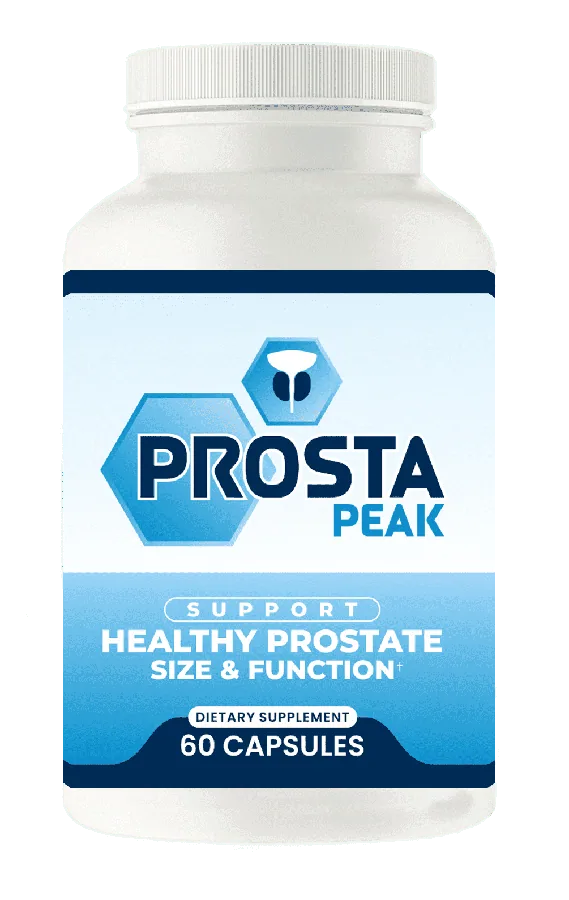
Prosta Peak Review: Does It Really Support Prostate Health?
A capsule supplement marketed for prostate health, sold only through the official website with a 90-day money-back guarantee stated on the sales page.
Read the reviewFrequently Asked Questions About Soursop (Graviola)
Does soursop (graviola) really work?
Lab and animal studies show interesting activity, but good human trials are lacking. Reviews describe the human evidence as limited and low in quality. No health benefit has been proven in people.
Is soursop (graviola) safe?
Occasional fruit is generally eaten without problems, but supplements are less studied. Annonacin has shown nerve toxicity in lab and animal studies, and heavy long-term use has been linked to Parkinson-like symptoms in observational reports. Ask a doctor before using it.
Can soursop cure cancer?
No. Cancer Research UK and Memorial Sloan Kettering say there is not enough reliable evidence that graviola treats cancer. Most research is in the lab, so it should never replace standard care.
Is soursop tea the same as the supplement?
Not exactly. Tea and capsules use leaves, while the fruit is mostly pulp. The amount of active compounds, including annonacin, varies by product and preparation, and none are standardized.
Why is soursop in prostate supplements?
Makers include it because of its traditional use and antioxidant plant compounds. There is no solid human evidence that soursop supports prostate health, so that is mainly marketing.
Sources
- Graviola (soursop) — Cancer Research UK
- Anticancer Properties of Graviola (Annona muricata): A Comprehensive Mechanistic Review — PubMed
- Emerging therapeutic potential of graviola and its constituents in cancers — PubMed
- Experts warn against soursop fruit to fight cancer — Cancer Treatment Centers of America
Last reviewed: