Pine Pollen: Benefits, Research & Safety
Pine pollen is the fine yellow powder released by pine trees. It has a long history in traditional Chinese practice. Today it is sold as a powder, capsule or tincture, often with claims about testosterone and vitality. Human research on it as a supplement is very limited.
Pine Pollen Ingredient Guide
Also known as: Pine pollen powder, Songhuafen (Chinese), Scots pine pollen, Pinus sylvestris pollen, Pinus massoniana pollen
- What it is
- Pine pollen is the male reproductive pollen collected from pine trees, such as Scots pine (Pinus sylvestris) or Chinese species. It contains protein, fats, carbohydrates, minerals, B vitamins and vitamin E.
- What it does
- Lab and animal studies suggest antioxidant and anti-inflammatory effects from compounds in the pollen. It also contains a tiny amount of testosterone, but that amount is thought to be too small to affect the human body.
- How it is used
- People take it as a powder stirred into drinks or food, in capsules, or as a tincture. It is mostly used for general wellness and for hormone-related claims that human studies have not tested.
- Natural sources and forms
- It is harvested from pine cones and sold as raw powder, "cracked cell wall" powder, capsules or tinctures. There is no standard strength, and the species and processing differ between products.
- Why it appears in formulas
- Makers add it to men's vitality, "adaptogen" and general wellness blends because of its traditional image and its nutrient profile. Its testosterone content is often used as a marketing angle.
- What to know before use
- Pine pollen is a pollen, so it can trigger allergic reactions, including severe ones, in sensitive people. Talk to a doctor first if you have pollen allergy, asthma, a hormone-sensitive condition, or take regular medicines.
What the Research Says
Overall: Early evidence
The research on pine pollen is mostly early. Most of it comes from test tubes and animals. The few human studies mostly used pine pollen on the skin or in combination products, and many were done in China.
I found no good clinical trials showing that pine pollen taken by mouth raises testosterone, improves sexual function, builds muscle or treats any condition. Scots pine pollen does contain testosterone, with one estimate of about 0.8 micrograms in 10 grams of pollen. Reviewers judge that to be too little to cause meaningful effects in people.
Lab studies in cultured cells and rodents suggest antioxidant and anti-inflammatory activity. Examples include reduced inflammation markers in mice with arthritis and slower cell aging in cultured human cells. These findings do not show the same effects occur in people. The active compounds also have not been clearly identified, and results from one pine species may not apply to another.
Because of this, pine pollen cannot be recommended for any specific purpose in humans. Better-designed human trials are needed.
| Studied for | What the research says | Evidence |
|---|---|---|
| Testosterone and male vitality | No human studies were found that measured testosterone, sexual function or muscle outcomes after taking pine pollen. Its natural testosterone content is very small. | Early evidence |
| Antioxidant activity | Lab and animal studies show antioxidant effects, but these have not been confirmed in human trials. | Early evidence |
| Inflammation and joint health | Pine pollen extract reduced arthritis symptoms in mice, and traditional use exists. No good oral human trials are available. | Early evidence |
| Aging and memory | Cultured human cells aged more slowly, and mice made fewer memory errors. It is unknown whether this applies to people. | Early evidence |
| Digestion | A small pig study found more stool weight and water content, which suggests a possible fiber-like effect. Human data are lacking. | Early evidence |
Did you know? A tiny amount of testosterone
Scots pine pollen was found to contain testosterone, which is why it is often marketed as a hormone booster. One estimate is only about 0.8 micrograms in 10 grams of pollen, which reviewers consider too small to matter in the human body.
Amounts Used in Studies
These are amounts researchers used, not dosing advice. Ask your doctor or pharmacist what is right for you.
| Form | Amount | Study context |
|---|---|---|
| Oral pine pollen powder or capsules | No established amount | No reliable human trials of oral use were found, so there is no amount used in studies to report. |
| Extracts or isolated compounds | Varies | Used in cell and animal experiments, and the amounts cannot be translated to human use. |
Safety, Side Effects and Interactions
The main documented risk is allergy. Pine pollen can cause hay-fever-type symptoms such as sneezing, runny or stuffy nose, itchy or watery eyes and wheezing. Severe reactions (anaphylaxis) have been reported with other pollen supplements such as bee pollen, even in people with no known allergy. Signs include trouble breathing, swelling of the throat or tongue, hives, dizziness or fainting, and need emergency care.
Safety research on regular oral use is lacking. Safety in pregnancy and breastfeeding has not been established, and effects in children are unknown. Because it contains small amounts of hormones, some sources advise caution for anyone with a hormone-sensitive condition, but the amount is likely very small.
Supplements are not reviewed by the FDA for safety and effectiveness before sale. Product content, species and purity can vary and are hard to verify.
Possible interactions
- No formal drug interaction studies were found for pine pollen.
- Because it contains a small amount of hormones, ask a doctor if you take hormone therapy or medicines for hormone-sensitive conditions.
- Tell your doctor or pharmacist if you take allergy or asthma medicines, since pollen exposure could affect symptoms.
- Combination products may contain other ingredients that interact with medicines, so check the full label.
Avoid it or ask a doctor first if
- Pollen, hay fever or asthma sensitivity
- Allergy to pine, bee products or related plants
- Pregnant or breastfeeding
- Hormone-sensitive conditions such as prostate or breast conditions
- Children
- Taking prescription medicines without medical advice
Supplements We've Reviewed That Contain Pine Pollen
Each review checks the full formula, price, refund policy and side effects.
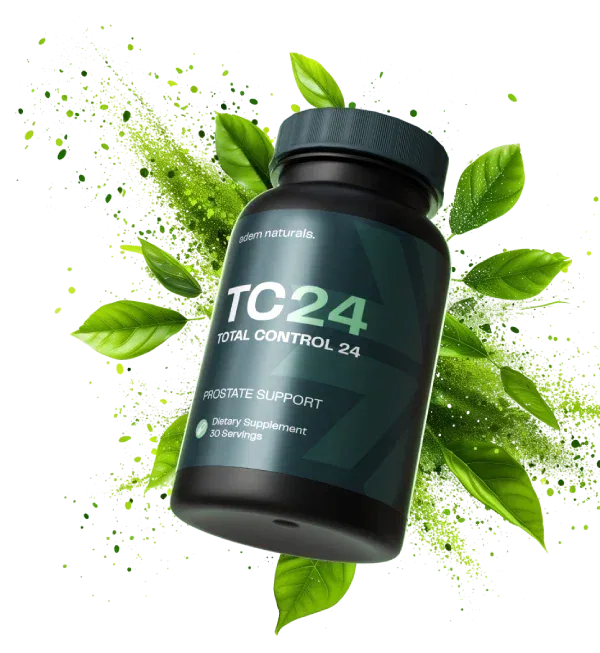
TC24 Review: Does This Prostate Supplement Really Work?
Men's prostate and urinary-support capsule sold only through the official website, with multi-bottle bundles and a 60-day money-back guarantee.
Read the reviewFrequently Asked Questions About Pine Pollen
Does pine pollen really work?
There is not enough human evidence to say. Most research is in test tubes and animals, and no good trials show it raises testosterone or treats any condition. Claims on labels go beyond the research.
Is pine pollen safe?
Safety has not been well studied in people. The main known risk is allergy, which can occasionally be severe. People with pollen allergies, who are pregnant or breastfeeding, or who take medicines should check with a doctor first.
Will pine pollen raise my testosterone?
No human studies have tested this. Pine pollen contains a very small amount of testosterone, which is thought to be too little to have an effect when taken by mouth.
What is the difference between pine pollen and bee pollen?
Pine pollen is collected directly from pine trees. Bee pollen is gathered by bees from many flowers and mixed with nectar. Both are pollens and can cause allergic reactions, but they are different products with different contents.
Can pine pollen cause allergic reactions?
Yes, it can. Symptoms can include sneezing, itchy eyes and wheezing, and in rare cases severe reactions. Stop use and seek urgent care if you have trouble breathing or swelling of the face or throat.
Sources
- Pine Pollen summary — Examine
- Pine Pollen — Healthline
- Bee pollen anaphylaxis case report — PubMed Central
- Seasonal Allergies at a Glance — NCCIH
Last reviewed: