Tribulus: Benefits, Research & Safety
Tribulus (Tribulus terrestris) is a low-growing plant. Its fruit, leaf and root are used in traditional medicine and in modern supplements. People mostly take it hoping to support libido, sexual function, athletic performance and testosterone. Human research has not backed up the strongest of these claims.
Tribulus Ingredient Guide
Also known as: Tribulus terrestris, Puncture vine, Caltrop, Goathead, Gokshura
- What it is
- Tribulus is a plant in the caltrop family that grows in warm regions worldwide. It has been used in Ayurvedic and traditional Chinese medicine.
- What it does
- Its saponins, especially protodioscin, are thought to act on hormone pathways or sexual-response pathways. Most of this idea comes from animal and lab work, and human studies have not confirmed it consistently.
- How it is used
- It is taken as capsules, tablets or powders. It is often sold in sports, libido and men's health products.
- Natural sources and forms
- Supplements use extracts of the fruit, leaf or whole plant. Many are standardized to saponin or protodioscin content, and products vary widely in strength and quality.
- Why it appears in formulas
- Makers add it because of its traditional reputation for vitality and sexual health. It is also marketed as a natural testosterone booster, a claim the evidence does not support well.
- What to know before use
- Human safety data are limited, and there are rare case reports of liver and kidney injury. Talk to a clinician first, especially if you take medicines or have liver, kidney or hormone-sensitive conditions.
What the Research Says
Overall: Limited evidence
Human research on Tribulus is small and mixed. Most trials are short and use different extracts and doses. Many also test it inside multi-ingredient products, which makes it hard to tell what Tribulus itself did.
The testosterone claim is the best studied. A 2005 randomized trial in young men found no direct or indirect androgen-raising effect. A 2014 systematic review concluded Tribulus did not raise testosterone in humans. Some of the animal findings pointed the other way, but they have not carried over to people.
For sexual function, a few small trials in men and women reported modest improvements in desire or erectile scores. A 2024 systematic review rated the evidence for erectile function as low quality. Evidence for athletic performance and muscle gain is weak, and sports bodies do not recommend it for this purpose.
Overall, Tribulus may support some measures of sexual wellbeing in small studies. Larger, better-controlled trials are needed before firm conclusions can be drawn.
| Studied for | What the research says | Evidence |
|---|---|---|
| Testosterone levels | Controlled trials and systematic reviews in humans have not shown that Tribulus raises testosterone. Animal studies suggested an effect, but it did not carry over to people. | Limited evidence |
| Erectile function | Some small trials reported improved erectile scores, but a 2024 systematic review rated the overall evidence as low quality. | Limited evidence |
| Sexual desire in women | A few small trials in women with low desire reported improved scores. The studies are few and short. | Early evidence |
| Athletic performance and body composition | Trials in athletes have not shown clear gains in strength or muscle. The Australian Institute of Sport does not recommend it for athletes. | Limited evidence |
Did you know? A plant with a prickly reputation
The spiny fruits of Tribulus are called puncture vine or goathead because they can puncture bicycle tires and bare feet. The plant is also known to poison grazing sheep, which is why animal toxicity is discussed in medical references.
Amounts Used in Studies
These are amounts researchers used, not dosing advice. Ask your doctor or pharmacist what is right for you.
| Form | Amount | Study context |
|---|---|---|
| Dried extract (often standardized to saponins) | Roughly 250 to 1,500 mg/day, varies widely by study | Short trials of weeks to a few months, mostly in small groups of adults |
Safety, Side Effects and Interactions
Short-term use was generally well tolerated in clinical trials, but those trials were small and short. Reported side effects include stomach upset, cramps, nausea, trouble sleeping and sometimes irritability. Long-term safety is not well established.
There are rare case reports of serious harm. One described a man with jaundice and kidney failure after about two months of daily Tribulus. Another described liver failure in a young woman. Other reports have involved kidney injury. These reports are confounded by other exposures such as anabolic steroids, and LiverTox says clinically apparent liver injury from Tribulus has not been convincingly shown. The plant itself causes serious liver and kidney injury in grazing sheep.
Supplement products are not tested for safety before sale in the US. Contents and strength can vary between products. Stop use and seek care if you notice yellow skin or eyes, dark urine, severe fatigue or reduced urination.
Possible interactions
- A case report suggested a possible CYP3A4 interaction with atorvastatin that led to muscle breakdown. This is only a hypothesis.
- It may affect blood sugar, so it could add to the effect of diabetes medicines.
- It may lower blood pressure, so it could add to the effect of blood pressure medicines.
- It might interact with hormone therapies or medicines for hormone-sensitive conditions. Ask a pharmacist.
- Taking it with other herbs or supplements that can stress the liver may add risk.
Avoid it or ask a doctor first if
- Pregnant or breastfeeding
- Liver or kidney disease
- Hormone-sensitive conditions such as some prostate or breast cancers
- Taking statins or other prescription medicines without medical advice
- Diabetes or low blood pressure, unless a clinician approves
- Planning surgery soon
- Subject to drug testing in sport
Supplements We've Reviewed That Contain Tribulus
Each review checks the full formula, price, refund policy and side effects.
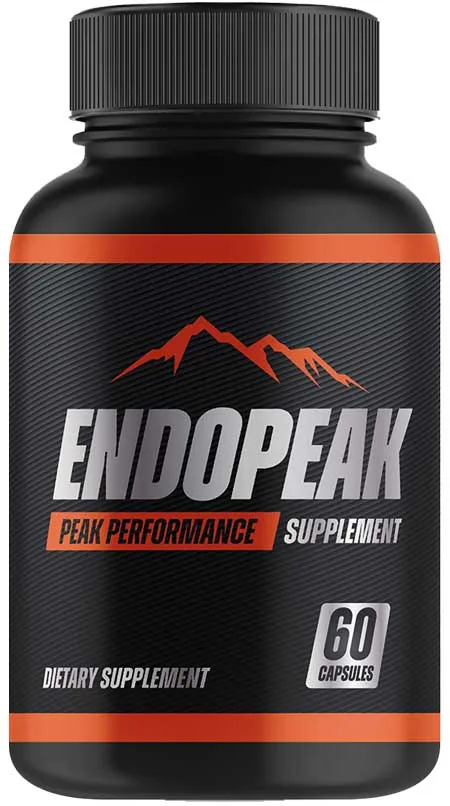
EndoPeak Review: Does It Really Support Healthy Erections and Stamina?
A men's sexual-wellness dietary supplement in capsule form, sold in 60, 90, and 180-day packages through the official website.
Read the review
Fluxactive Review: Does This Prostate Supplement Really Work?
A 14-ingredient herbal and vitamin prostate supplement sold on the official website with a 60-day money-back guarantee; the ingredient evidence is weak and independent reviews were not found.
Read the review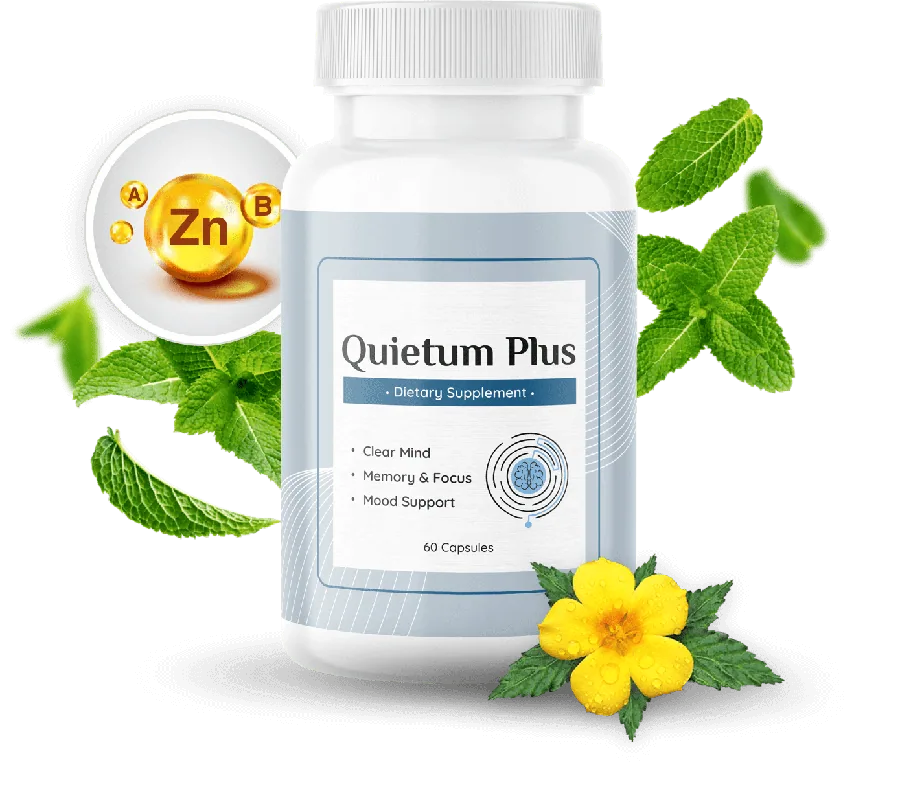
Quietum Plus Review: Does It Really Help With Tinnitus?
Plant and vitamin capsule marketed for ear ringing (tinnitus) and hearing support; no product-specific human study found.
Read the reviewFrequently Asked Questions About Tribulus
Does Tribulus really work?
Research does not show that it raises testosterone in people. Some small studies suggest modest benefits for sexual desire or erectile function, but the evidence is low quality. Larger trials are needed.
Is Tribulus safe?
It appears to be tolerated in short-term studies, but long-term safety is unknown. Rare case reports describe liver and kidney injury, although other causes may have played a part. Check with a healthcare professional before using it.
Does Tribulus boost testosterone?
Evidence in humans says probably not. A randomized trial in young men and a systematic review found no meaningful testosterone increase. Marketing claims often rely on animal studies.
Can I take Tribulus with medicines?
Ask your doctor or pharmacist first. Possible interactions include statins, diabetes medicines, blood pressure medicines and hormone-related drugs. The evidence is mostly from case reports and theory.
Why is Tribulus in formulas like Quietum Plus?
Makers often add traditional herbs for a general wellness image. We have not found good human evidence that Tribulus supports hearing or ear health, which that product targets.
Sources
- Tribulus — LiverTox, NCBI Bookshelf
- The aphrodisiac herb Tribulus terrestris does not influence the androgen production in young men — PubMed
- Tribulus terrestris — Memorial Sloan Kettering Cancer Center
- Tribulus terrestris effects on testosterone, systematic review — PubMed
- Tribulus terrestis-induced nephrotoxicity? — PubMed
Last reviewed: