PEA (Palmitoylethanolamide): Benefits, Research & Safety
PEA, short for palmitoylethanolamide, is a fatty-acid compound the body makes naturally. It is also sold as a supplement. People take it mainly for nerve and chronic pain comfort, and research on it is growing but uneven.
PEA (Palmitoylethanolamide) Ingredient Guide
Also known as: Palmitoylethanolamide, N-palmitoylethanolamine, Palmidrol, Micronized PEA, Ultra-micronized PEA
- What it is
- PEA is a fatty acid amide produced in the body's tissues. It is also found in small amounts in foods such as egg yolk and soy.
- What it does
- It is thought to act on cells involved in inflammation and pain signaling, such as mast cells and glial cells, and on receptors such as PPAR-alpha. Most of this mechanism research comes from lab and animal work.
- How it is used
- It is taken as capsules, tablets or powder, often for several weeks. Studies on pain commonly run 4 to 8 weeks or longer.
- Natural sources and forms
- Supplements are made in a lab. Micronized and ultra-micronized forms have smaller particles, which are meant to improve absorption.
- Why it appears in formulas
- Makers add it to nerve-support and joint-comfort formulas because of the human pain research. It is also an alternative to some other pain-related ingredients.
- What to know before use
- Chronic or nerve pain can have causes that need medical assessment, so talk to a clinician before using PEA. Do not use it in place of prescribed care.
What the Research Says
Overall: Moderate evidence
PEA has more human research than many supplement ingredients, mostly on chronic and neuropathic pain. A 2023 meta-analysis of double-blind randomized trials (11 studies, 774 patients) concluded that PEA was effective and well tolerated for chronic pain. Earlier pooled analyses reported similar trends.
There are important limits. Many trials were small, short, or open-label. Several were run by a small number of research groups. Quality and the way side effects were recorded were often rated as poor in earlier reviews. Doses, product forms and the pain conditions studied differ a lot, so it is hard to say who benefits most or what the best amount is.
Research outside pain, such as on inflammation, mood or sleep, is early. Most of it comes from small studies or animal and lab work. Evidence is best described as promising but not settled.
| Studied for | What the research says | Evidence |
|---|---|---|
| Chronic pain overall | A meta-analysis of double-blind trials found greater pain reduction with PEA than with control. Study quality and dosing varied. | Moderate evidence |
| Neuropathic (nerve-related) pain | Several small trials in conditions such as diabetic neuropathy and sciatica reported lower pain scores. Larger, well-controlled trials are needed. | Limited evidence |
| Time to effect | A review of micronized PEA found that pain reduction was larger at 60 days than at 30 days. This suggests benefits may build over weeks, if they occur. | Limited evidence |
| Inflammation and other uses | Work on inflammation, mood and other areas is mostly animal, lab or small pilot research. | Early evidence |
Did you know? A compound your body already makes
PEA is produced in the body, and its levels appear to rise in tissues under stress or injury. Researchers first looked at it decades ago, after finding it in egg yolk and linking it to anti-inflammatory effects in animal studies. Supplements aim to add to what the body makes, but this has not been proven to restore normal levels.
Amounts Used in Studies
These are amounts researchers used, not dosing advice. Ask your doctor or pharmacist what is right for you.
| Form | Amount | Study context |
|---|---|---|
| Micronized or ultra-micronized PEA | About 300 to 600 mg twice daily, or 600 to 1,200 mg/day | Pain trials lasting about 3 to 12 weeks |
| Standard PEA | Up to 1,200 mg/day | Some older and small clinical studies. Amounts differ by study. |
Safety, Side Effects and Interactions
In short-term trials, PEA has been generally well tolerated. A 2016 review of pain studies found no sign of serious adverse reactions in the data, for treatment up to about 49 days. Reported side effects are mild and uncommon. Stomach upset is the most commonly reported.
Animal toxicology studies found very low toxicity at high doses. Even so, long-term human safety data are limited. Many trials were not designed to track harms well. Little is known about use in pregnancy, breastfeeding or children, and there are few data on use alongside many medicines.
Supplements are not tested by the FDA before sale, so product quality and the real amount of PEA can vary. Stop use and talk to a clinician if you have a reaction or if symptoms worsen. Ask a clinician about new or worsening nerve symptoms, because they can signal a condition that needs treatment.
Possible interactions
- No well-documented drug interactions are established, but formal interaction studies are scarce.
- It may add to the effects of pain medicines or other pain-related supplements, so tell your clinician or pharmacist.
- Tell your prescriber if you take medicines for seizures, nerve pain or immune conditions.
Avoid it or ask a doctor first if
- Pregnant or breastfeeding (not enough safety data)
- Children, unless a clinician advises it
- Allergy to any ingredient in the product
- Taking prescription pain, nerve or immune-related medicines without medical advice
- Unexplained or worsening pain, numbness or weakness, which need a medical check first
Supplements We've Reviewed That Contain PEA (Palmitoylethanolamide)
Each review checks the full formula, price, refund policy and side effects.
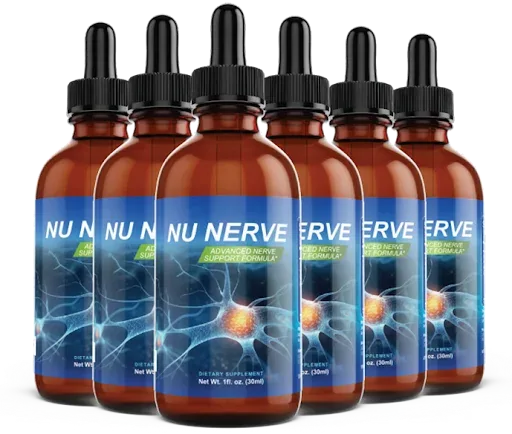
Nu Nerve Review: Does This Nerve Health Supplement Really Work?
A multi-ingredient nerve health supplement sold through the official website with multi-month packages and a 60-day money-back guarantee.
Read the review
Nerve Fresh Review: Does It Really Work for Nerve Pain?
Daily capsule with five botanical ingredients, marketed for nerve pain and neuropathy symptoms, sold with a 180-day money-back guarantee; no independent clinical trial of the finished product found.
Read the reviewFrequently Asked Questions About PEA (Palmitoylethanolamide)
Does PEA really work?
Research suggests PEA may help lower chronic pain scores in some people. A 2023 meta-analysis of double-blind trials supported this. But many trials were small or varied in quality, so the evidence is moderate and not conclusive.
Is PEA safe?
Short-term human studies report few and mostly mild side effects, such as stomach upset. Long-term safety and use in pregnancy are not well studied, so check with a clinician first, especially if you take medicines.
How long does PEA take to work in studies?
Some trials measured pain over 4 to 8 weeks or more. One review found larger pain reductions at 60 days than at 30 days. Results vary a lot between people and products.
What is micronized PEA?
It is PEA ground into smaller particles. The aim is to improve absorption. Many recent trials use micronized forms, but head-to-head comparisons are limited.
Is PEA the same as pea protein?
No. PEA here is palmitoylethanolamide, a fatty-acid compound. Pea protein comes from peas and is a different ingredient. Check the label to see which one a product contains.
Sources
- Palmitoylethanolamide in the Treatment of Chronic Pain: A Systematic Review and Meta-Analysis of Double-Blind Randomized Controlled Trials — PubMed Central
- Efficacy of Palmitoylethanolamide for Pain: A Meta-Analysis — PubMed
- Palmitoylethanolamide for the treatment of pain: pharmacokinetics, safety and efficacy — PubMed
- Palmitoylethanolamide supplementation for human health: a systematic review of randomized controlled trials — PubMed Central
- Palmitoylethanolamide pooled analysis of pain studies — PubMed
Last reviewed: