Moringa: Benefits, Research & Safety
Moringa is a fast-growing tree native to South Asia. Its leaves, pods and seeds are eaten as food and used in traditional medicine. In supplements, the dried leaf is the most common part, and people take it as a nutrient-rich green powder or capsule. Interest centers on blood sugar, cholesterol and inflammation, but the human research is still small.
Moringa Ingredient Guide
Also known as: Moringa oleifera, drumstick tree, horseradish tree, miracle tree, malunggay, moringa leaf powder
- What it is
- Moringa oleifera is a tropical tree. Its leaves, pods, seeds and roots are used as food and in traditional remedies. Supplements usually contain dried leaf powder or a leaf extract.
- What it does
- The leaves contain protein, minerals, vitamins and plant compounds such as polyphenols, flavonoids and isothiocyanates. Lab and animal studies suggest these compounds may have antioxidant and anti-inflammatory activity. It is not clear that this carries over to people.
- How it is used
- People take moringa leaf powder in capsules, stir it into drinks or smoothies, or drink it as tea. It is also added to blends meant to support general wellness, joint comfort or mental focus.
- Natural sources and forms
- Leaf powder is the most common form. Seed oil, seed powder and leaf extracts are also sold. There is no standard potency, so the plant compounds in products vary widely, and most human trials used plain leaf powder rather than a standardized extract.
- Why it appears in formulas
- Makers add moringa for its reputation as a nutrient-dense plant and for its antioxidant and anti-inflammatory compounds. It also gives a plant-based, traditional-use story to blends. Its presence in a formula does not show that the formula works.
- What to know before use
- Human evidence is limited and long-term safety is not well established. Moringa may lower blood sugar and blood pressure, so check with a doctor first if you take medicines for either. Avoid supplemental amounts during pregnancy unless your clinician says otherwise.
What the Research Says
Overall: Limited evidence
Most of the research on moringa comes from cell and animal studies. These suggest antioxidant, anti-inflammatory and blood-sugar-lowering effects. Human research exists but is small.
One 2015 review found only five small human studies using powdered leaf. A 2026 narrative review covered 22 clinical trials and nine case reports published from 2015 to 2025. It concluded that larger, standardized randomized trials are needed to confirm both benefit and long-term safety.
The human trials vary in dose, plant part, preparation and length. Many are short, enroll few people, and have a high risk of bias. Some report small changes in blood sugar or blood lipids, but results are not consistent enough to draw firm conclusions. Nobody has shown that moringa treats or prevents any disease.
Overall, moringa is a traditional food plant with interesting early signals. The evidence does not yet support strong claims for any health outcome.
| Studied for | What the research says | Evidence |
|---|---|---|
| Blood sugar | A few small human studies of leaf powder reported modest effects on blood glucose. Trial designs differ and the results are mixed, so the evidence is not conclusive. | Limited evidence |
| Blood lipids | Some small trials reported changes in cholesterol or triglycerides after taking leaf powder. The studies are short and inconsistent. | Limited evidence |
| Inflammation and antioxidant status | Lab and animal work suggests moringa compounds can reduce markers of inflammation and oxidative stress. Human data are sparse and have not shown clear health benefits. | Early evidence |
| Joint comfort and cognition | These uses are mostly based on animal and test-tube research. There are few or no good human trials, so these claims remain unproven. | Early evidence |
Did you know? A tree grown for food and water
In many tropical regions, moringa leaves and pods are an everyday vegetable. Moringa seeds are also used in some places in traditional ways to clarify water. That long history as a food does not prove that concentrated supplements are effective or safe in every setting.
Amounts Used in Studies
These are amounts researchers used, not dosing advice. Ask your doctor or pharmacist what is right for you.
| Form | Amount | Study context |
|---|---|---|
| Dried leaf powder | Roughly 1.5 to 8 g/day in many small trials | Short studies, mostly lasting a few weeks to a few months, in adults with and without blood sugar concerns. Amounts and preparations varied widely. |
| Leaf extract | Varies by product and is not standardized | Few human trials, so no consistent amount has been established. |
Safety, Side Effects and Interactions
Moringa leaf is widely eaten as food. Short-term human studies of leaf powder have reported few side effects, and some reviews describe it as generally well tolerated. These reviews also stress that human safety data are limited and that most trials were short.
Possible side effects include digestive upset, such as loose stools, gas or nausea, especially at higher amounts.
The NIH LiverTox database describes a case report of acute liver injury in a woman who took a moringa-containing product. The product had other ingredients and its moringa content was not specified, so cause and effect is unclear. Some animal studies also found liver enzyme changes at high leaf doses.
Root, bark and seed preparations may contain compounds of greater concern, and the bark and root are traditionally linked to pregnancy risks. Safety in pregnancy and breastfeeding is not established. Quality also varies between products, and contamination with heavy metals is a general concern for plant powders. Choose products tested by a third party and stop use if you notice symptoms such as yellowing of the skin or eyes, dark urine or severe abdominal pain.
Possible interactions
- Diabetes medicines: moringa may lower blood sugar, so combining it could add to the effect of these drugs.
- Blood pressure medicines: it may lower blood pressure, so combining it could add to the effect.
- Thyroid medicines such as levothyroxine: moringa has been studied for effects on thyroid function in animals, so ask a clinician if you take these.
- Medicines processed by the liver: effects on liver enzymes are not well characterized, so ask a pharmacist.
- Immunosuppressants: interaction data are limited, so caution is advised for transplant recipients and people with autoimmune conditions.
Avoid it or ask a doctor first if
- Pregnant or breastfeeding
- Taking diabetes or blood pressure medicines (ask a doctor first)
- Taking thyroid medicine or immunosuppressants
- Liver disease or a history of liver problems
- Planning surgery in the next two weeks, because of possible blood sugar effects
- Allergic to moringa or related plants
Supplements We've Reviewed That Contain Moringa
Each review checks the full formula, price, refund policy and side effects.

Pineal Guardian X Review: Does It Really Support Healthy Memory?
A multi-herb dropper formula sold on the official website that claims to flush fluoride from the pineal gland and restore melatonin, with no independent clinical evidence for the product itself.
Read the review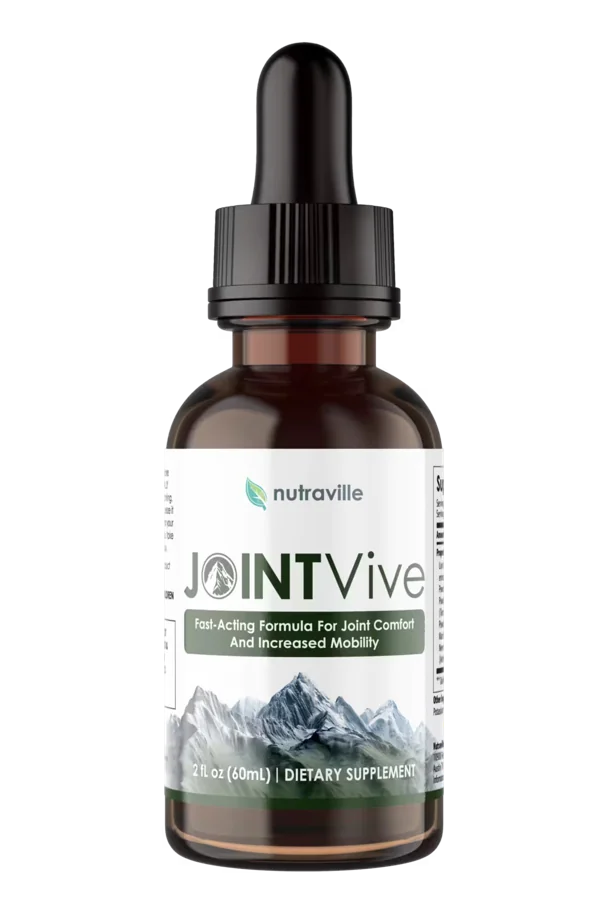
JointVive Review: Does It Really Support Joint Comfort?
A nine-ingredient plant and botanical supplement sold on the official website, marketed for joint comfort and mobility.
Read the review
NeuroPrime Review: Does It Really Support Healthy Memory?
A nine-ingredient plant-based memory-support supplement sold through the official website with a 365-day money-back guarantee.
Read the reviewFrequently Asked Questions About Moringa
Does moringa really work?
The research is still early. Small human studies of leaf powder suggest possible effects on blood sugar and cholesterol, but the trials are short, vary in design and give mixed results. Larger, standardized trials are needed before anyone can say that moringa works for a specific purpose.
Is moringa safe?
Moringa leaf is eaten as food and has generally been well tolerated in short human studies. Long-term safety is not well studied, and a few case reports link moringa-containing products to liver problems. It is best avoided during pregnancy and used with caution alongside medicines for blood sugar or blood pressure.
What part of the moringa plant is used in supplements?
Most supplements use dried leaf powder. Some use seed or leaf extracts. Root and bark are used in traditional preparations but are a greater safety concern, and they are not recommended as supplements.
Can moringa lower blood sugar?
Some small studies suggest it may modestly lower blood glucose, but results are inconsistent. If you take diabetes medicine, moringa could add to its effect, so talk to your healthcare provider before using it.
Can I take moringa while pregnant?
Safety in pregnancy and breastfeeding is not established, and traditional use of the root and bark raises concerns. Most experts advise against supplemental amounts unless your clinician approves. Eating moringa leaves as an occasional food is a different matter, and you can ask your clinician about it.
Sources
- Moringa oleifera — LiverTox, National Library of Medicine
- Moringa oleifera narrative review of human studies and case reports — PubMed
- Moringa oleifera review — PubMed Central
- Moringa oleifera systematic review — Journal of HerbMed Pharmacology
- Moringa oleifera as a promising adjunct therapeutic candidate — Drug Design, Development and Therapy
Last reviewed: