Malic Acid: Benefits, Research & Safety
Malic acid is a fruit acid found in apples and many other foods. It is also made in your cells during energy production. People take it in supplements hoping to support energy, muscle comfort and saliva flow. The research is small and mixed.
Malic acid Ingredient Guide
Also known as: Malate, Hydroxybutanedioic acid, Apple acid, Magnesium malate (salt form)
- What it is
- Malic acid is an organic acid that gives apples and some other fruits a sour taste. Your body also makes it as part of the Krebs cycle, which is how cells turn food into energy.
- What it does
- Malate takes part in cellular energy production, so it has been proposed to support energy and muscle function. Applied to the mouth, the acid's sour taste may stimulate saliva. Most of the energy-related ideas are theory and have not been confirmed in people.
- How it is used
- It is taken as capsules or tablets, often paired with magnesium. It is also used in citrulline malate sports powders and in dry-mouth sprays and lozenges. It is also a common food additive.
- Natural sources and forms
- Natural sources include apples, cherries, grapes and tomatoes. Supplements use manufactured malic acid or malate salts such as magnesium malate and citrulline malate. Products are not standardized, and the malate content differs by form.
- Why it appears in formulas
- Makers add it for its role in energy metabolism and often pair it with magnesium in products aimed at fatigue or muscle comfort. It is also used as a sour flavoring and as a malate partner in pre-workout ingredients.
- What to know before use
- The evidence for most uses is limited. If you have kidney disease, take prescription drugs or are pregnant, ask a clinician first. Acidic dry-mouth products may be hard on tooth enamel, so ask a dentist before using them regularly.
What the Research Says
Overall: Limited evidence
Overall, the human research on malic acid is limited. Most of it is small, short and often involves malic acid combined with other ingredients, so it is hard to tell what the malic acid itself does.
The best-known work is on fibromyalgia, using malic acid with magnesium. A small pilot study of 24 people had a blinded, fixed-dose phase that showed no clear benefit. Improvements appeared in a later open-label phase, where everyone knew what they were taking. This kind of result is weaker evidence. An earlier open-label series reported similar improvements, but a later blinded trial reportedly did not confirm them.
For dry mouth, several small trials used a 1% malic acid spray or lozenges and reported more saliva or less dry-mouth discomfort. A recent review rated the certainty of that evidence as low. Those products often contained other ingredients too, such as xylitol and fluoride.
For exercise, most studies test citrulline malate, not malic acid alone. Reviews call the results mixed and say it is unclear which part of the compound might matter.
No large, modern, well-controlled trials support using malic acid to treat any health condition.
| Studied for | What the research says | Evidence |
|---|---|---|
| Fibromyalgia symptoms | A small pilot of malic acid with magnesium showed no clear benefit in its blinded phase. Improvements appeared only in an open-label phase. Larger, better-controlled trials are lacking. | Limited evidence |
| Dry mouth | Small trials of 1% malic acid sprays and lozenges reported more saliva and less dry-mouth discomfort. A recent review rated the certainty of evidence as low and noted safety questions, including enamel effects. | Limited evidence |
| Exercise performance | Studies mostly use citrulline malate, not malic acid alone. Reviews describe the results as mixed and unclear. | Limited evidence |
| Energy and fatigue | Malate is part of normal cell energy metabolism. This is a lab and biology rationale, and supplement trials in healthy people have not clearly shown an energy benefit. | Early evidence |
Did you know? Why apples taste sour
Malic acid takes its name from the Latin word for apple, "malum." It was first isolated from apple juice in 1785. It is also made in your own cells as part of the Krebs cycle, the process that turns food into usable energy.
Amounts Used in Studies
These are amounts researchers used, not dosing advice. Ask your doctor or pharmacist what is right for you.
| Form | Amount | Study context |
|---|---|---|
| Malic acid with magnesium (tablet) | 200 mg malic acid + 50 mg magnesium per tablet, with the amount raised over time in the open-label phase | Small pilot crossover study in people with fibromyalgia |
| Malic acid with magnesium | 1,200–2,400 mg malate with 300–600 mg magnesium per day | Small open-label series over about 8 weeks, and a later blinded trial at the lower end of this range |
| Topical malic acid spray | 1% concentration | Short trials in people with drug-induced dry mouth |
| Citrulline malate | About 8 g as a single dose | Acute exercise studies, with mixed results |
Safety, Side Effects and Interactions
Malic acid is a normal part of foods and is made in the body. The US Food and Drug Administration lists it as a food additive generally recognized as safe. The amounts in foods are not a concern for most people. Long-term safety of high-dose supplements has not been well studied.
Side effects reported in the small trials were generally mild. They included stomach upset, loose stools, nausea and bloating, especially at higher amounts. Magnesium in combination products can add to the laxative effect. Topical use in the mouth can cause irritation or a sour or burning feeling in some people.
Because it is an acid, frequent use in the mouth may erode tooth enamel. Dental researchers have raised this concern, and some products add xylitol and fluoride to offset it. Sprays and lozenges meant for long-term use should be discussed with a dentist.
There is little safety data for pregnancy, breastfeeding and children beyond food amounts. Allergic reactions are uncommon but possible.
Possible interactions
- No well-documented drug interactions are known for malic acid alone, but research is limited.
- Magnesium in combination products can lower the absorption of some antibiotics (such as tetracyclines and quinolones) and of bisphosphonates. Space doses as directed by a pharmacist.
- Magnesium-containing products can also interact with some thyroid, blood pressure and diuretic medicines.
- Citrulline malate may add to the effect of blood pressure or erectile dysfunction drugs. Check with a pharmacist.
Avoid it or ask a doctor first if
- Kidney disease, because magnesium products can build up (ask a doctor first)
- Pregnant or breastfeeding, unless a clinician approves
- Tooth enamel erosion or frequent heartburn, especially with acidic mouth products
- Taking prescription medicines, including antibiotics, thyroid or blood pressure drugs
- Known allergy to a product's ingredients
- Children, unless advised by a pediatrician
Supplements We've Reviewed That Contain Malic acid
Each review checks the full formula, price, refund policy and side effects.
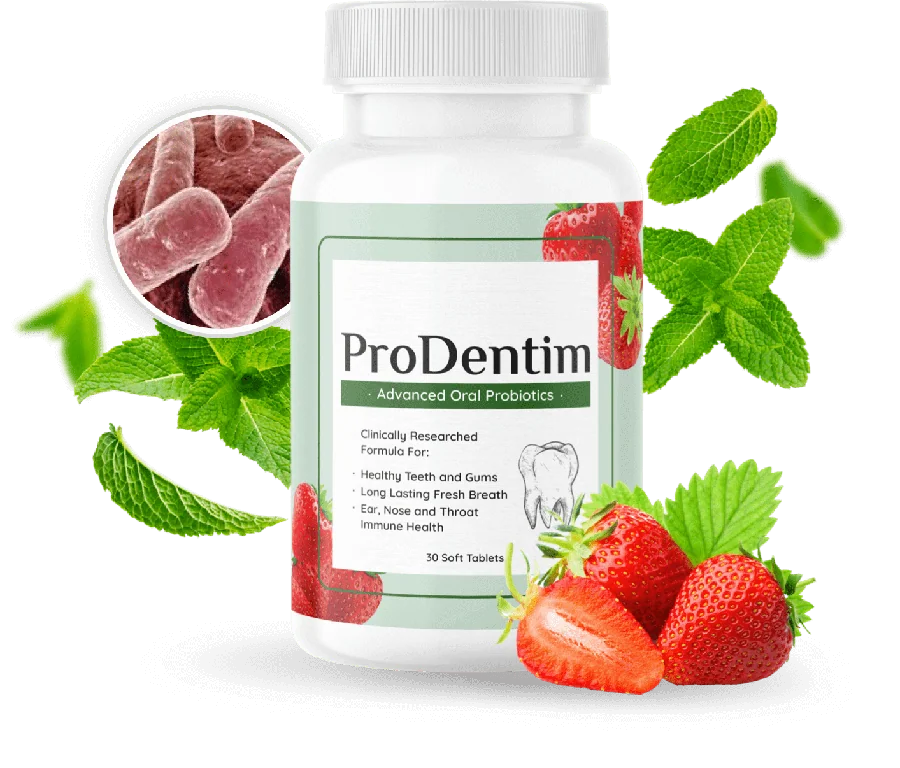
ProDentim Review: Does This Oral Probiotic Really Support Gums and Teeth?
A dissolvable probiotic tablet marketed for gum and tooth health, sold on the official website with a 60-day money-back guarantee; the health claims are largely unverified.
Read the reviewFrequently Asked Questions About Malic acid
Does malic acid really work?
The evidence is limited. Small studies have looked at fibromyalgia, dry mouth and exercise, but the results are mixed, and some benefits showed up only when people knew what they were taking. Many studies used malic acid with other ingredients, so its own effect is unclear.
Is malic acid safe?
Malic acid in food is considered safe, and the body makes it naturally. Supplements are generally well tolerated in short studies, but they can cause stomach upset or loose stools. Long-term safety at higher amounts is not well studied, so ask a healthcare professional if you have a health condition or take medicines.
What is the difference between malic acid and magnesium malate?
Malic acid is the acid itself. Magnesium malate is a salt that pairs malate with magnesium. Many fibromyalgia studies used the combination, so any effect could come from either part.
Can malic acid damage teeth?
It can. Acids can soften tooth enamel with frequent contact. Some dry-mouth products add xylitol and fluoride to reduce this. If you have dental problems, ask your dentist before regular use.
Is malic acid in food enough, or do I need a supplement?
Your body makes the malate it needs, and fruits such as apples supply more. There is no established need for a malic acid supplement, and no recommended daily intake has been set.
Sources
- Treatment of fibromyalgia syndrome with Super Malic: a randomized, double-blind, placebo-controlled, crossover pilot study — PubMed
- Malic acid as a therapeutic supplement — EBSCO Research Starters
- Malic Acid — University of Michigan Health
- Malic Acid in Treatment of Xerostomia — ClinicalTrials.gov
- A critical review of citrulline malate supplementation and exercise performance — PubMed Central
Last reviewed: