D-Ribose: Benefits, Research & Safety
D-ribose is a five-carbon sugar that the body makes naturally. It is part of ATP, the molecule cells use for energy. People take it as a powder or capsule, hoping to support energy and exercise recovery. The research is small and mixed.
D-Ribose Ingredient Guide
Also known as: Ribose, D-(-)-ribose, Pentose sugar
- What it is
- D-ribose is a simple sugar made in the body from glucose. It is a building block of ATP, RNA and other key molecules.
- What it does
- Cells use ribose to make new adenine nucleotides, which are the raw material for ATP. The idea is that extra ribose might speed the rebuilding of energy stores in stressed tissue. This is based mostly on lab and small human studies.
- How it is used
- It is taken as a powder mixed in drinks or as capsules, often in several smaller servings through the day. People use it for general energy, exercise recovery or heart health.
- Natural sources and forms
- The body makes its own, and small amounts occur in foods. Supplements are made by fermentation and are sold as pure D-ribose powder or capsules, sometimes blended with other ingredients.
- Why it appears in formulas
- Makers add it to energy, recovery and heart-support products because of its role in ATP production. Its mildly sweet taste lets it work in powders.
- What to know before use
- D-ribose can lower blood sugar, so people with diabetes or on glucose-lowering drugs, and anyone prone to low blood sugar, should talk to a doctor first. Long-term safety is not well studied.
What the Research Says
Overall: Limited evidence
Human research on D-ribose is limited. Most trials are small, short and often open-label or funded by interested parties. Few large, independent, placebo-controlled trials exist.
A pilot study in people with chronic fatigue syndrome and fibromyalgia (about 41 people, 15 g/day for roughly 3 weeks) reported improvements in self-rated energy, sleep and pain. It was not placebo-controlled, so the results are weak evidence. A registered randomized fibromyalgia trial was listed as suspended.
In heart disease, small studies in people with heart failure or coronary disease reported better diastolic function, quality of life or exercise capacity. These were feasibility-scale studies and need confirmation.
For athletes, studies in healthy people have generally not shown a clear performance benefit. Research in rare muscle energy disorders such as McArdle disease has been mixed, and side effects were reported.
Overall, D-ribose is an interesting idea with early signals, but it is not proven for any health condition.
| Studied for | What the research says | Evidence |
|---|---|---|
| Fatigue and fibromyalgia | A small, uncontrolled pilot study reported better self-rated energy, sleep and pain after about 3 weeks. Placebo-controlled confirmation is lacking. | Early evidence |
| Heart function | Small studies in people with heart failure or coronary disease reported improvements in diastolic function and quality of life. Larger independent trials are needed. | Limited evidence |
| Exercise performance | Studies in healthy and trained people have generally not found a clear boost in performance or recovery. | Limited evidence |
| Blood sugar effects | Single doses of 2 to 87 g consistently caused a temporary drop in blood glucose within 1 to 3 hours in human studies reviewed by EFSA. | Moderate evidence |
Did you know? A sugar that does not act like sugar
Although D-ribose is a sugar, the body does not mainly burn it for fuel like glucose. It is used mostly as a building block for ATP and RNA. It can still cause a temporary drop in blood glucose, which is why low blood sugar is its main safety concern.
Amounts Used in Studies
These are amounts researchers used, not dosing advice. Ask your doctor or pharmacist what is right for you.
| Form | Amount | Study context |
|---|---|---|
| D-ribose powder | About 15 g/day, divided into servings | Pilot study in fatigue and fibromyalgia lasting roughly 17 to 35 days |
| D-ribose powder | 20 g/day | 14-day safety study in healthy adults; mild, short-lived low blood sugar without symptoms was seen |
| D-ribose, single oral doses | 2 to 87 g | Short-term human studies reviewed by EFSA; blood glucose fell temporarily |
Safety, Side Effects and Interactions
D-ribose is naturally present in the body, and short-term use appears to be tolerated by most healthy adults. A 14-day study of 20 g/day in healthy volunteers found no significant toxic changes in blood or chemistry tests.
The main concern is lower blood sugar. Human studies found temporary drops in glucose 1 to 3 hours after a dose. One case of symptomatic low blood sugar was reported in a small woman who took 10 g while fasting. Other reported effects include stomach upset, diarrhea, nausea and headache, especially at higher amounts.
EFSA noted that children may be more vulnerable to the glucose-lowering effect. Long-term safety is poorly studied, because most trials last hours to weeks. Reliable information on pregnancy and breastfeeding is lacking, so it is generally advised to avoid it then. Taking it with food may lower the chance of low blood sugar, but ask a health professional.
Possible interactions
- Diabetes medicines, including insulin and sulfonylureas, may add to the blood-sugar-lowering effect, raising the risk of hypoglycemia.
- Other supplements that lower blood sugar, such as chromium or berberine, could theoretically add to the effect.
- Alcohol can also lower blood sugar and may add to the risk.
- Blood sugar monitoring may be affected, so people who track glucose should tell their care team they use it.
Avoid it or ask a doctor first if
- Diabetes or on glucose-lowering drugs, unless your doctor agrees
- History of low blood sugar (hypoglycemia)
- Pregnant or breastfeeding
- Children, unless advised by a pediatrician
- Scheduled for surgery soon (blood sugar control)
- Low body weight or fasting for long periods
Supplements We've Reviewed That Contain D-Ribose
Each review checks the full formula, price, refund policy and side effects.
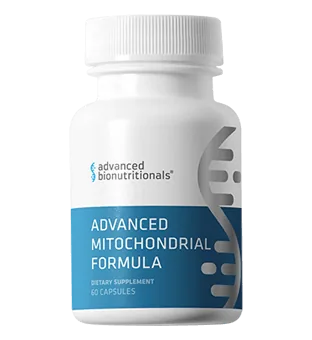
Advanced Mitochondrial Formula Review: Is It Legit and Does It Work?
A mitochondria-focused supplement with niacinamide, D-ribose, PQQ and eight other nutrients, sold on the official website with a 90-day refund offer.
Read the reviewFrequently Asked Questions About D-Ribose
Does D-ribose really work?
The evidence is limited. Small and mostly uncontrolled studies suggest possible benefits for fatigue and heart function, but large, independent, placebo-controlled trials are lacking. Studies in healthy athletes have generally not shown a clear performance benefit.
Is D-ribose safe?
Short-term use appears tolerated by most healthy adults, but it can temporarily lower blood sugar and may cause stomach upset or diarrhea. Long-term safety is not well established. People with diabetes, those taking glucose-lowering drugs, children and pregnant or breastfeeding women should avoid it or ask a doctor first.
Can D-ribose lower blood sugar?
Yes. Human studies reviewed by EFSA found temporary drops in blood glucose 1 to 3 hours after single doses. Most were mild and without symptoms, but occasional symptomatic cases have been reported.
Is D-ribose the same as regular sugar?
No. It is a different five-carbon sugar that the body uses mainly to build ATP and RNA, not as a main fuel. It does not behave like table sugar, though it can still affect blood glucose.
What side effects can D-ribose cause?
Reported effects include low blood sugar, diarrhea, nausea, stomach discomfort and headache. These are more likely at higher amounts or on an empty stomach. Stop and talk to a health professional if you have symptoms such as shakiness, sweating or confusion.
Sources
- Safety of d-ribose as a novel food pursuant to Regulation (EU) 2015/2283 — EFSA (via PubMed Central)
- The Role of Ribose in Patients Diagnosed With Fibromyalgia — ClinicalTrials.gov
- Treatment of Chronic Fatigue Syndrome and Fibromyalgia With D-ribose, a Multicenter Study — ClinicalTrials.gov
- D-Ribose research — Examine.com
- D-Ribose — Healthline
Last reviewed: