Hyaluronic Acid: Benefits, Research & Safety
Hyaluronic acid (HA) is a gel-like molecule found naturally in skin, joints and eyes, where it helps hold water and cushion tissues. People take it by mouth mainly hoping to support joint comfort and skin hydration. Research on oral HA is still small and short, so the evidence is modest.
Hyaluronic Acid Ingredient Guide
Also known as: HA, hyaluronan, sodium hyaluronate, hyaluronate
- What it is
- Hyaluronic acid is a long-chain sugar molecule (a glycosaminoglycan) that the body makes naturally. It is most abundant in skin, joint fluid and connective tissue.
- What it does
- In the body it binds large amounts of water, which helps keep tissues hydrated and joints lubricated. When taken by mouth, it is thought to be partly broken into smaller fragments that may signal skin and joint cells, but this is not fully proven in people.
- How it is used
- It is taken as capsules, tablets, powders or drinks, usually daily for weeks to months. It is also used in injections and creams, which are different products with separate evidence.
- Natural sources and forms
- Supplement HA is typically made by bacterial fermentation or extracted from rooster combs. Forms differ in molecular weight (high, low or very low), and sodium hyaluronate is a common salt form.
- Why it appears in formulas
- Makers add it to joint formulas, often with glucosamine, chondroitin or collagen, and to beauty-from-within products aimed at skin hydration.
- What to know before use
- Evidence for oral HA is limited, and many joint studies combined it with other ingredients. Talk to a healthcare professional first if you are pregnant, have a history of cancer, take blood thinners or have a medical condition.
What the Research Says
Overall: Limited evidence
Most human research on oral hyaluronic acid consists of small, short randomized trials, usually lasting 8 to 12 weeks. Many were funded by or linked to manufacturers, and some used a specific branded ingredient, so results may not apply to every product.
For knee discomfort, a review of randomized, placebo-controlled trials reported that oral HA was associated with some improvement in knee pain. The authors and other reviewers note small sample sizes and variable quality. Many joint trials also combined HA with glucosamine or chondroitin, which makes the effect of HA alone hard to separate.
For skin, small trials and a few pooled analyses suggest modest gains in skin hydration and possibly wrinkle depth. Other measures, such as firmness and water loss through the skin, have been less consistent. I could not verify every pooled figure against the original papers.
The strongest research on HA concerns injections into the knee. That evidence does not carry over to capsules or powders. Overall, oral HA shows early, modest signals, and larger, independent, longer trials are needed.
| Studied for | What the research says | Evidence |
|---|---|---|
| Knee discomfort | Several small placebo-controlled trials and a review found some reduction in knee pain with oral HA over weeks to months. Study quality and size limit how confident we can be. | Limited evidence |
| Skin hydration | Small trials suggest modest improvements in skin moisture after 8 to 12 weeks. Results for firmness and other measures are mixed. | Limited evidence |
| Wrinkle appearance | Some studies reported small changes in wrinkle depth, but findings are inconsistent and trials are short. | Early evidence |
| Combination joint formulas | Many joint studies paired HA with glucosamine, chondroitin or collagen, so the contribution of HA itself is unclear. | Early evidence |
Did you know? Your body holds about 15 grams of it
The adult body contains roughly 15 grams of hyaluronic acid, and about a third is turned over daily. It is found in skin, joint fluid and the eye. Its ability to hold up to about 1,000 times its weight in water is why it is popular in skincare.
Amounts Used in Studies
These are amounts researchers used, not dosing advice. Ask your doctor or pharmacist what is right for you.
| Form | Amount | Study context |
|---|---|---|
| Oral HA capsules or tablets (various molecular weights) | About 70 to 200 mg/day | Knee discomfort trials lasting roughly 8 to 12 weeks or longer |
| Oral HA for skin | About 120 to 240 mg/day | Small skin hydration trials, typically 8 to 12 weeks |
Safety, Side Effects and Interactions
In studies, oral hyaluronic acid has generally been well tolerated, and reported side effects were uncommon and mild. These include occasional stomach discomfort and, rarely, a skin rash in people who are sensitive to it. Because HA is a natural body component, serious reactions to oral forms appear rare.
Long-term safety data are limited, and trials are short. Safety in pregnancy and breastfeeding has not been established, so avoidance is generally preferred. HA is involved in tissue growth and repair, and some researchers have urged caution in people with a history of cancer, though human evidence of harm from oral HA is lacking.
Injected HA products have their own side effects, such as pain, swelling or redness at the injection site, which do not apply directly to supplements. Supplements are not tested by the FDA before sale, so product quality and actual content can vary. Choose products tested by a third party when possible, and tell your healthcare provider about any supplement you use.
Possible interactions
- No well-established drug interactions with oral HA, but data are limited.
- Theoretically, it could add to the effect of blood thinners such as warfarin, so check with a clinician.
- Combination products may contain other ingredients, such as glucosamine or chondroitin, that have their own interactions.
- Tell your doctor or pharmacist about all supplements before surgery or new medications.
Avoid it or ask a doctor first if
- Pregnant or breastfeeding
- History of cancer or currently being treated for cancer (ask a doctor first)
- Taking blood thinners
- Allergic to HA or to product ingredients such as poultry or eggs, if rooster comb sourced
- Children, unless advised by a pediatrician
Supplements We've Reviewed That Contain Hyaluronic Acid
Each review checks the full formula, price, refund policy and side effects.

Collagen Refresh Review: Does This Joint Powder Really Work?
Joint-comfort powder that claims to support the body's own collagen production, sold only through the official website with a 180-day guarantee.
Read the review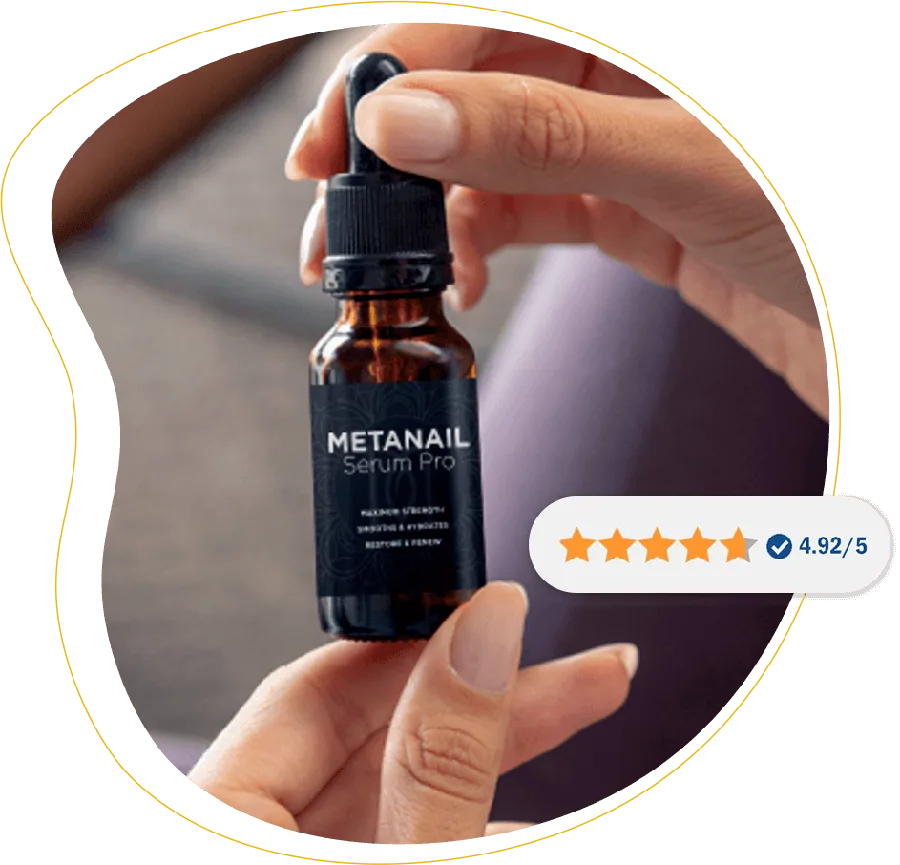
Metanail Complex Review: Does This Nail and Foot Serum Really Work?
A topical serum marketed for nail and foot health, sold on the official website in bundles with a detox product and bonus guides.
Read the reviewFrequently Asked Questions About Hyaluronic Acid
Does hyaluronic acid really work?
Research suggests oral hyaluronic acid may modestly support knee comfort and skin hydration in some people. However, trials are small and short, and many were industry linked. Results are not guaranteed and it is not a treatment for any condition.
Is hyaluronic acid safe?
Oral HA has been well tolerated in short studies, with rare mild digestive upset or rash. Long-term and pregnancy safety data are lacking. Ask a healthcare professional first if you have a medical condition, take medicines or have a history of cancer.
Is oral hyaluronic acid the same as injections or creams?
No. Injections go directly into the joint, and creams act on the skin surface, so their evidence does not apply to capsules. Oral HA is digested, and how much reaches tissues is still being studied.
How long does it take to see an effect?
Studies generally ran 8 to 12 weeks or more before measuring changes in skin or joint comfort. Any effect is likely to be gradual and modest, and some people notice none.
Should I take it with glucosamine or collagen?
Many products combine them, but there is little evidence on whether combinations work better than HA alone. Each ingredient has its own safety considerations, so review the full label and talk with a clinician.
Sources
- Oral hyaluronan relieves knee pain: a review — Nutrition Journal (PMC)
- Oral hyaluronan relieves knee pain: a review — Nutrition Journal
- Hyaluronate and derivatives — Memorial Sloan Kettering Cancer Center
- Hyaluronan side effects — Drugs.com
Last reviewed: