MSM: Benefits, Research & Safety
MSM (methylsulfonylmethane) is an organic sulfur compound sold as a supplement, mainly for joint comfort and exercise recovery. Small human trials suggest modest effects on knee discomfort, but the research is limited and the trials are short.
MSM (Methylsulfonylmethane) Ingredient Guide
Also known as: msm, methylsulfonylmethane, dimethyl sulfone, DMSO2, methyl sulfone
- What it is
- MSM is a small organic sulfur-containing compound. It is found in tiny amounts in some foods and is made synthetically for supplements.
- What it does
- Sulfur is needed for body tissues such as cartilage and connective tissue. MSM is thought to have antioxidant and anti-inflammatory effects, but how it works in people is not well established.
- How it is used
- It is taken by mouth as capsules, tablets or powder, usually for joint comfort or after exercise. It is also put in some creams and joint blends.
- Natural sources and forms
- Supplement MSM is typically made synthetically and sold as a white crystalline powder or in capsules. It is often sold alone or combined with glucosamine or chondroitin.
- Why it appears in formulas
- Makers add it to joint, mobility and recovery products because of its sulfur content and small trials on knee discomfort. It is also cheap and dissolves easily.
- What to know before use
- Long-term safety data are limited, so talk to a doctor or pharmacist first if you are pregnant, breastfeeding, have a medical condition or take medicines, especially blood thinners.
What the Research Says
Overall: Limited evidence
The human research on MSM is small and mostly short, usually 12 weeks or less. Most of it looks at knee osteoarthritis or exercise-related soreness.
A 2008 systematic review of randomized trials described the evidence for MSM in mild to moderate knee osteoarthritis as positive but not definitive. Few patients were treated with MSM in the trials it covered. A 2011 randomized, double-blind trial in 49 adults with knee osteoarthritis reported improvements in pain and function. The authors noted that the improvements were small and that their clinical meaning was still to be determined.
A 2023 trial in healthy Japanese adults with mild knee discomfort was reported to show less pain and stiffness. I only saw that result through a trade publication, so treat it as unverified until you read the original paper.
For exercise recovery, small studies, some funded by the industry, report benefits. Other reports say several studies did not show statistically significant benefits on measures such as soreness and return of muscle force.
Overall, MSM may offer a small benefit for knee comfort in some people, but the trials are too few, small and short to be sure. No study has shown that it treats or reverses any disease.
| Studied for | What the research says | Evidence |
|---|---|---|
| Knee osteoarthritis discomfort | Small randomized trials reported modest improvements in pain and function over 12 weeks. A 2008 review called the evidence positive but not definitive, and noted that the clinical importance of the changes is unclear. | Limited evidence |
| Mild knee discomfort in healthy adults | A 2023 randomized trial in Japan was reported to show less knee pain and stiffness. I could not check the original paper, so this is early evidence. | Early evidence |
| Exercise recovery and muscle soreness | Some small studies, including industry-funded ones, reported less soreness. Other reports found no significant benefit on soreness or return of muscle force. Overall the results are mixed. | Limited evidence |
| Long-term safety | Animal studies and human trials of up to about 12 weeks show good tolerability. There are few long-term human data. | Limited evidence |
Did you know? A sulfur compound found in food
MSM occurs naturally in small amounts in some foods and in the human body. Cooking and processing are thought to reduce the amount in food, so the amounts in supplements are much larger than those in a typical diet.
Amounts Used in Studies
These are amounts researchers used, not dosing advice. Ask your doctor or pharmacist what is right for you.
| Form | Amount | Study context |
|---|---|---|
| MSM powder or capsules, alone | about 2 to 3 g per day | Short trials (about 2 weeks to 12 weeks) in adults with mild knee discomfort or in exercise-trained men |
| MSM powder or capsules, alone | up to about 6 g per day | 12-week trials in adults with knee osteoarthritis |
Safety, Side Effects and Interactions
In human trials lasting up to about 12 weeks, MSM has generally been well tolerated. The side effects reported most often were stomach upset, diarrhea, bloating and headache. Placebo groups reported similar symptoms in some trials, so it is hard to tell which effects are due to MSM.
Animal studies using doses several times higher than typical human amounts found no serious problems over 90 days. A manufacturer filed a self-affirmed GRAS (generally recognized as safe) notice with the FDA in 2007. That is a safety status only, and it says nothing about whether the supplement works. It is not an FDA approval.
Long-term safety in people, safety in pregnancy and breastfeeding, and safety in children are not well studied. Supplements are not reviewed by the FDA for effectiveness before sale, so product quality and the actual amount of MSM can differ between products. Stop taking it and seek medical advice if you notice a rash, swelling, or persistent digestive symptoms.
Possible interactions
- MSM may theoretically add to the effect of blood thinners such as warfarin, so check with a doctor if you take them.
- Combining it with other supplements that affect blood clotting, such as fish oil or ginkgo, has not been well studied.
- MSM is often sold with glucosamine or chondroitin. Their own interactions apply to those products.
- Tell your pharmacist about MSM if you take any prescription medicine, since interaction data are limited.
Avoid it or ask a doctor first if
- Pregnant or breastfeeding, unless a doctor approves
- Taking blood thinners or having a bleeding disorder
- Having surgery scheduled soon
- Children, unless a pediatrician advises it
- Having liver or kidney disease
- Having a known sulfur or MSM allergy
Supplements We've Reviewed That Contain MSM (Methylsulfonylmethane)
Each review checks the full formula, price, refund policy and side effects.
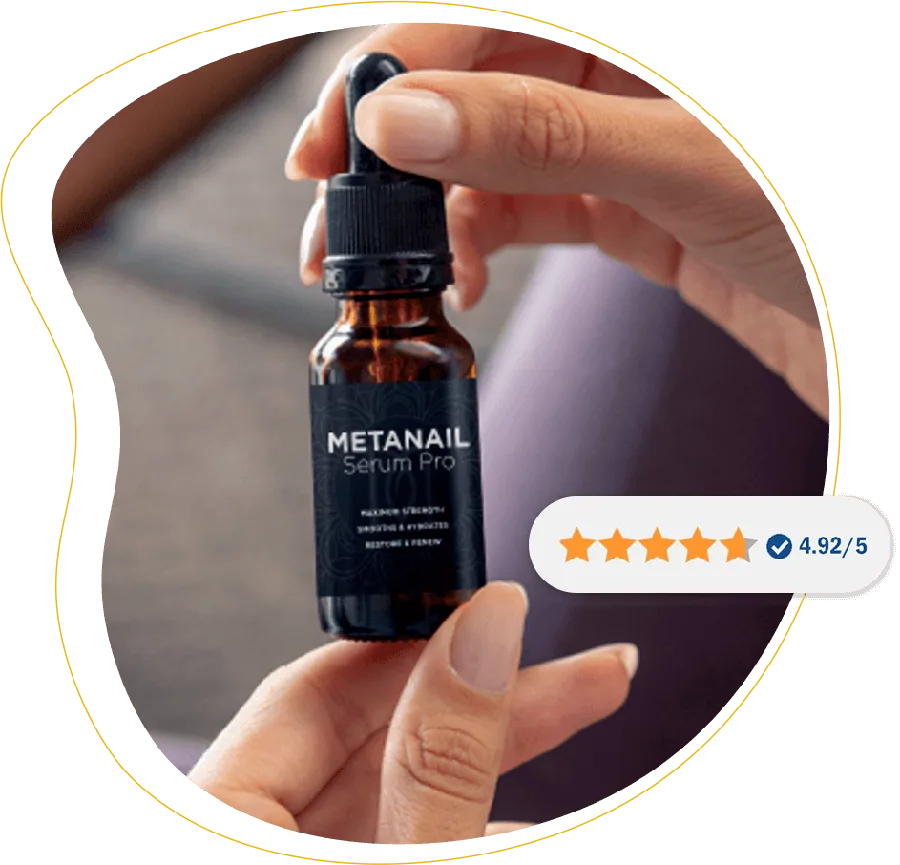
Metanail Complex Review: Does This Nail and Foot Serum Really Work?
A topical serum marketed for nail and foot health, sold on the official website in bundles with a detox product and bonus guides.
Read the reviewFrequently Asked Questions About MSM (Methylsulfonylmethane)
Does MSM really work?
Research suggests MSM may bring a small improvement in knee discomfort for some people, but the trials are small and short. A 2008 review called the evidence positive but not definitive. Results for exercise recovery are mixed.
Is MSM safe?
MSM has been well tolerated in trials of up to about 12 weeks, with mostly mild digestive effects or headache. Long-term safety, and safety in pregnancy and children, are not well studied. Check with a doctor first if you take blood thinners or other medicines.
How long does MSM take to work?
In the studies, changes in knee discomfort were measured over about 6 to 12 weeks. Exercise studies used shorter periods of around 2 weeks. Individual results vary, and some people notice nothing.
Can I take MSM with glucosamine?
MSM and glucosamine are often combined in joint products, and some studies have tested them together. Glucosamine has its own cautions, such as shellfish-derived sources and possible effects with warfarin. Ask a pharmacist before combining them.
Is MSM the same as DMSO?
No. They are related sulfur compounds, and MSM is formed from DMSO in the body. MSM is the form sold as an oral supplement. DMSO is a different substance with its own safety concerns.
Sources
- Systematic review of the nutritional supplements DMSO and MSM in the treatment of osteoarthritis
- Efficacy of methylsulfonylmethane supplementation on osteoarthritis of the knee: a randomized controlled study — PubMed
- Systematic review of DMSO and MSM in osteoarthritis — PubMed
- MSM linked to improvements in knee pain — Nutraceuticals World
Last reviewed: