GABA: Benefits, Research & Safety
GABA (gamma-aminobutyric acid) is a compound your body makes. It is the main calming (inhibitory) chemical messenger in the brain. People take GABA supplements hoping for relaxation, less stress and better sleep, but the human research is limited and it is unclear how much oral GABA reaches the brain.
GABA (Gamma-Aminobutyric Acid) Ingredient Guide
Also known as: gamma-aminobutyric acid, 4-aminobutanoic acid, gaba, γ-aminobutyric acid
- What it is
- GABA is an amino acid-like compound made in the body from glutamate. It is the main inhibitory neurotransmitter in the central nervous system.
- What it does
- In the brain, GABA reduces nerve cell activity, which is linked to calmness. Whether GABA taken by mouth can cross the blood-brain barrier is debated. Some researchers suggest any effects may come through the gut, nerves such as the vagus nerve, or the placebo effect.
- How it is used
- It is taken as capsules, powders, chewables or in functional foods and drinks, usually aimed at stress, relaxation or sleep.
- Natural sources and forms
- GABA is found in small amounts in fermented foods such as kimchi, tempeh and some teas. Supplements are usually made synthetically or by bacterial fermentation, and are sold as GABA alone or in blends.
- Why it appears in formulas
- Makers add it to relaxation, sleep and mood-support formulas because of its role as a calming neurotransmitter.
- What to know before use
- Evidence that it works is limited, and it may add to the effects of sedating medicines or alcohol. Talk to a doctor or pharmacist first if you take any medicine, especially for blood pressure, anxiety or sleep.
What the Research Says
Overall: Limited evidence
The human research on oral GABA is small and varied. A 2020 systematic review of placebo-controlled trials in Frontiers in Neuroscience found limited evidence for stress-related benefits and very limited evidence for sleep benefits. Most trials were short, used small groups of healthy adults and tested different amounts, so results are hard to compare.
A core question is still unresolved: whether GABA swallowed as a supplement reaches the brain in meaningful amounts. Blood levels of GABA rise after a dose. It is not known whether brain levels do. Some reviews propose that specific transporters or gut-brain signaling could explain effects, but these ideas are not proven in people.
Some small studies reported shorter time to fall asleep or changes in relaxation-related brain activity (EEG). These findings need larger, independent trials. Studies on people with diagnosed anxiety or insomnia are especially scarce. Overall, GABA is better described as a compound with interesting early signals than as a proven aid.
| Studied for | What the research says | Evidence |
|---|---|---|
| Stress and relaxation | Some small placebo-controlled trials in healthy adults reported lower stress markers or greater relaxation. A systematic review judged the evidence limited. | Limited evidence |
| Sleep | A few small studies reported shorter time to fall asleep or better sleep measures. The 2020 review called the evidence very limited. | Early evidence |
| Blood-brain barrier access | Blood GABA rises after oral intake, but it is not established that brain GABA does. Proposed transport routes are not confirmed in humans. | Early evidence |
| Blood pressure | Some studies saw small, temporary drops in blood pressure (under 10%) with GABA intake. | Limited evidence |
Did you know? A neurotransmitter that may not need the brain
Researchers debate whether oral GABA crosses the blood-brain barrier at all. Some propose it may act on the gut and its nerve signals to the brain instead. This idea is still being tested and is not proven in humans.
Amounts Used in Studies
These are amounts researchers used, not dosing advice. Ask your doctor or pharmacist what is right for you.
| Form | Amount | Study context |
|---|---|---|
| Oral GABA, short-term | Up to 18 g/day for 4 days | Highest short-term amount reviewed in the USP safety review; not a recommendation |
| Oral GABA, longer-term | About 120 mg/day for 12 weeks | Longer studies summarized in the USP safety review |
| Oral GABA, relaxation and sleep studies | Often roughly 100 to 300 mg per dose | Small, short trials in healthy adults; amounts vary by study |
Safety, Side Effects and Interactions
A 2021 safety review by the U.S. Pharmacopeia (published in Nutrients) found no serious adverse events linked to GABA in human studies, including up to 18 g/day for 4 days and about 120 mg/day for 12 weeks. Animal studies at high doses showed no signs of toxicity.
Reported side effects are usually mild and can include drowsiness, stomach upset, headache, tingling or a short-lived feeling of tiredness. Some studies noted a small, temporary drop in blood pressure.
Long-term safety data are limited, and there is little information for children, pregnant or breastfeeding people, or people with chronic illness. Supplements are not tested for effectiveness before sale in the US, and product quality can vary, so look for products tested by a third party. GABA is not a replacement for medical care for anxiety, insomnia or other conditions.
Possible interactions
- May add to the drowsiness caused by sedatives, sleep medicines and benzodiazepines.
- May add to the effects of alcohol.
- May lower blood pressure further when combined with blood pressure medicines.
- Could interact with antidepressants, anti-seizure medicines or other drugs that act on the brain; ask a pharmacist.
- Combining with other calming supplements (for example valerian, kava or melatonin) may increase sleepiness.
Avoid it or ask a doctor first if
- Pregnant or breastfeeding
- Under 18 unless advised by a doctor
- Taking sedatives, sleep aids, anti-anxiety or seizure medicines
- Taking blood pressure medicine or having low blood pressure
- Planning to drive or operate machinery right after a dose
- Having a diagnosed anxiety, sleep or mood condition (ask a doctor first)
Supplements We've Reviewed That Contain GABA (Gamma-Aminobutyric Acid)
Each review checks the full formula, price, refund policy and side effects.
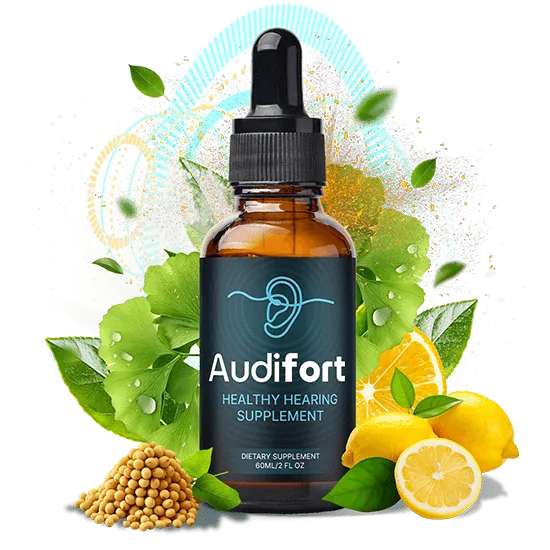
Audifort Review: Is It Legit and Does It Really Support Hearing?
Liquid hearing-support supplement sold on the official website with multi-bottle pricing and a 90-day money-back guarantee; the ingredient evidence for hearing is not established.
Read the review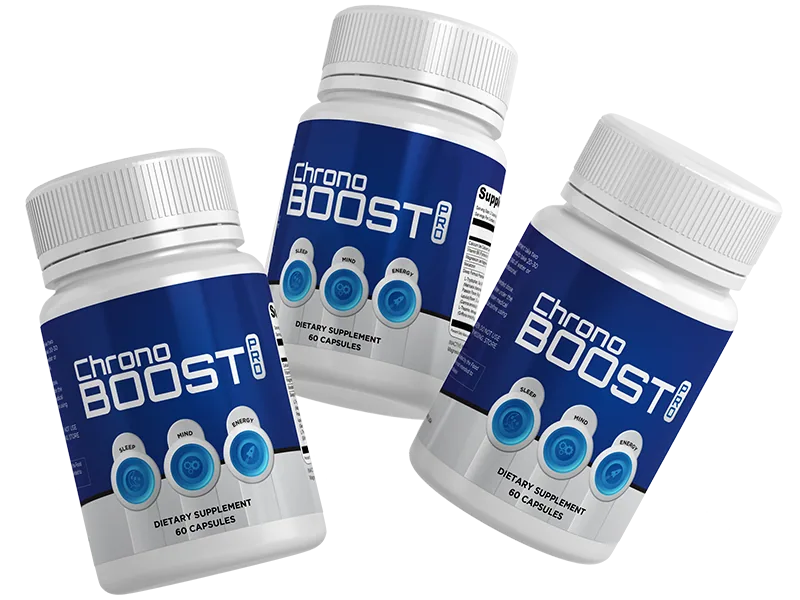
Chronoboost Review: Is Chronoboost Pro Worth It for Sleep and Energy?
A multi-ingredient sleep, mind and energy supplement sold only through the official website, with a 60-day money-back claim and no ingredient amounts disclosed.
Read the reviewFrequently Asked Questions About GABA (Gamma-Aminobutyric Acid)
Does GABA really work?
Research is limited. A systematic review found limited evidence for stress and very limited evidence for sleep benefits, and it is unclear whether oral GABA reaches the brain. Some people may feel relaxed, but this may also be a placebo effect.
Is GABA safe?
Short-term studies found no serious adverse events, and side effects are usually mild, such as drowsiness or stomach upset. Long-term data are limited, and it can interact with sedating medicines and alcohol. Ask a healthcare provider before using it.
Can GABA supplements cross the blood-brain barrier?
This is not settled. Blood GABA rises after oral doses, but it is unknown whether brain GABA does. Some researchers suggest specific transporters or gut-brain signaling, but these are not confirmed in people.
Is GABA the same as the GABA in my brain?
The molecule is the same, but the GABA in your brain is made and used locally by nerve cells. Taking it by mouth does not necessarily raise levels where the brain uses it.
Can I take GABA with alcohol or sleep medicine?
This combination is not advised without medical guidance. GABA may add to drowsiness from alcohol or sedating medicines. Check with a doctor or pharmacist first.
Sources
- United States Pharmacopeia (USP) Safety Review of Gamma-Aminobutyric Acid (GABA) — Nutrients / PubMed Central
- Oral GABA intake systematic review (Hepsomali et al.) — Frontiers in Neuroscience
- GABA review on blood-brain barrier transport — Nutraceuticals, MDPI
- USP Safety Review of GABA — PubMed
Last reviewed: