5-HTP: Benefits, Research & Safety
5-HTP (5-hydroxytryptophan) is a compound the body makes from the amino acid tryptophan. It is a step on the way to serotonin, so people take it hoping to support mood, sleep and appetite control. The research is small and mostly older, and it carries real interaction risks with antidepressants and other serotonin-affecting products.
5-HTP Ingredient Guide
Also known as: 5-hydroxytryptophan, Oxitriptan, L-5-HTP, Griffonia simplicifolia seed extract
- What it is
- 5-HTP is an intermediate the body makes from tryptophan on the way to serotonin and melatonin. It is sold as a dietary supplement.
- What it does
- It is thought to raise serotonin availability in the brain, since the body converts 5-HTP to serotonin. Serotonin is involved in mood, sleep and appetite. Whether supplements reliably produce meaningful changes in people is not well established.
- How it is used
- It is usually taken as capsules or tablets, and people use it for low mood, sleep, appetite control and fibromyalgia symptoms. These uses are popular, but the evidence behind them is limited.
- Natural sources and forms
- Commercial 5-HTP is typically extracted from the seeds of the African plant Griffonia simplicifolia, because it is not found in meaningful amounts in ordinary foods. Products vary in strength, and quality can differ between brands because supplements are not regulated like drugs.
- Why it appears in formulas
- Makers add it to mood, sleep and weight-management blends because of its link to serotonin. It is often paired with ingredients like magnesium, melatonin or B vitamins.
- What to know before use
- Talk to a doctor or pharmacist first if you take any antidepressant or other medicine that affects serotonin. Combining them may cause serotonin syndrome, which is serious.
What the Research Says
Overall: Limited evidence
The human research on 5-HTP is limited. Most trials are small, many are decades old, and they used different doses, durations and designs. That makes the results hard to compare.
For depression, a systematic review and meta-analysis of tryptophan and 5-HTP (Shaw et al., 2002) found a few small placebo-controlled trials that hinted at benefit. The authors concluded that better-designed studies were urgently needed before anyone could judge effectiveness. A 1987 review reached a similar conclusion. A later meta-analysis, described here only secondhand, also noted weak methods and wide variation between studies.
For fibromyalgia and appetite or weight, a handful of small trials have reported some symptom or intake changes. I did not find a high-quality systematic review for either, so these findings should be seen as early. Poison control experts describe the evidence for 5-HTP overall as inconclusive.
There is little long-term safety data. Product quality is also a concern, since contamination has been reported with some tryptophan-related products.
In short, 5-HTP is biologically plausible and has been studied, but it has not been shown to work reliably, and it is not a replacement for medical care.
| Studied for | What the research says | Evidence |
|---|---|---|
| Low mood and depression | A few small, older placebo-controlled trials suggested possible benefit. Reviews say the evidence is insufficient and call for better trials. | Limited evidence |
| Fibromyalgia symptoms | A few small trials reported some symptom changes, but the evidence base is thin and I did not find a high-quality review. | Early evidence |
| Appetite and weight | Small trials in people with overweight reported lower calorie intake and modest weight loss. Larger, well-designed studies are needed. | Early evidence |
| Sleep and anxiety | These are popular uses because of the serotonin and melatonin link. I did not find strong human trial evidence in my search. | Early evidence |
Did you know? Not found in everyday food
Unlike tryptophan, which is in protein foods such as turkey, 5-HTP is not found in meaningful amounts in ordinary diets. Supplements usually come from the seeds of a West African plant called Griffonia simplicifolia.
Amounts Used in Studies
These are amounts researchers used, not dosing advice. Ask your doctor or pharmacist what is right for you.
| Form | Amount | Study context |
|---|---|---|
| 5-HTP capsules (varied products) | Roughly 50 mg to 300 mg per day, sometimes split into several doses | Small short-term trials of mood, appetite and fibromyalgia. Amounts varied widely and I could not confirm them from the sources I opened. |
Safety, Side Effects and Interactions
At lower amounts, 5-HTP is linked to few side effects in short-term use. Reported effects include nausea, stomach upset, diarrhea, drowsiness and dizziness. Higher amounts raise the chance of more serious effects.
The main concern is too much serotonin. A poison center describes a woman who took several tablets while on an SSRI antidepressant and developed nausea, diarrhea, agitation, hallucinations, tremor, fast heart rate, sweating and muscle spasms. Serotonin syndrome can be dangerous and needs urgent medical care.
MedlinePlus notes that some people who took 5-HTP developed eosinophilia-myalgia syndrome (EMS), a serious condition. Some think a contaminant in certain products may be the cause, but this is not settled. Choosing products verified by an independent group such as USP may lower the quality risk.
There is little long-term safety data. Pregnant or breastfeeding people and children have not been well studied, so they should avoid it unless a doctor advises otherwise. If you suspect a bad reaction or overdose, call Poison Control at 1-800-222-1222.
Possible interactions
- Antidepressants (SSRIs, SNRIs, MAOIs and others) may combine with 5-HTP to raise serotonin too much, risking serotonin syndrome.
- Other serotonin-raising supplements such as St. John's wort, SAMe and L-tryptophan may add to the effect.
- Migraine and some pain medicines that act on serotonin may interact.
- Carbidopa (used in Parkinson's disease) is listed as a moderate interaction.
- It may add to drowsiness when taken with sedating medicines, herbs or supplements.
Avoid it or ask a doctor first if
- Taking antidepressants or other serotonin-affecting medicines
- Pregnant or breastfeeding
- Planning surgery within about 2 weeks
- Taking carbidopa or other Parkinson's medicines
- Giving to children without medical advice
- Have a history of serotonin syndrome or a serious medical condition, unless a doctor approves
Supplements We've Reviewed That Contain 5-HTP
Each review checks the full formula, price, refund policy and side effects.
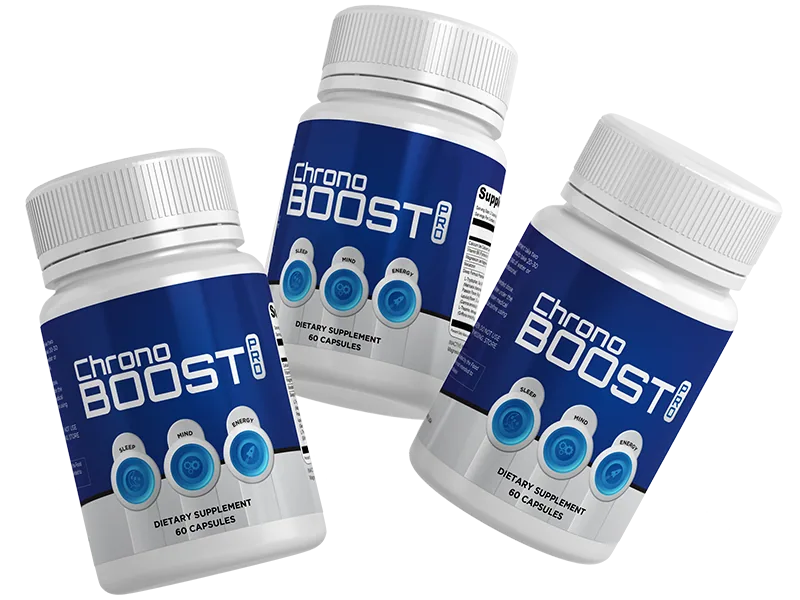
Chronoboost Review: Is Chronoboost Pro Worth It for Sleep and Energy?
A multi-ingredient sleep, mind and energy supplement sold only through the official website, with a 60-day money-back claim and no ingredient amounts disclosed.
Read the reviewFrequently Asked Questions About 5-HTP
Does 5-HTP really work?
The research is limited. A few small, older trials hinted at benefit for mood, appetite and fibromyalgia, but reviews say the evidence is inconclusive and better studies are needed. Individual results vary.
Is 5-HTP safe?
It may be tolerated at lower amounts for short periods, but it can cause stomach upset and drowsiness. It can also interact dangerously with antidepressants and other serotonin-affecting products. Long-term safety is not well studied, so check with a doctor or pharmacist first.
Can I take 5-HTP with antidepressants?
Generally no, not without medical advice. The combination may cause serotonin syndrome, a serious condition. Poison control experts recommend having a doctor and pharmacist review your medicines before using it.
What is the difference between 5-HTP and tryptophan?
Tryptophan is an amino acid in protein foods, and the body can convert it to 5-HTP and then to serotonin. 5-HTP is one step closer to serotonin. Both may raise serotonin and share similar interaction cautions.
What is eosinophilia-myalgia syndrome?
EMS is a rare but serious condition with muscle pain and blood changes that has been reported in some people who took 5-HTP. Some think a contaminant in certain products may be responsible. Choosing independently verified products may reduce the quality risk.
Sources
- 5-HTP Safety Concerns — Poison Control
- Are tryptophan and 5-hydroxytryptophan effective treatments for depression? A meta-analysis — PubMed
- 5-Hydroxytryptophan: a review of its antidepressant efficacy and adverse effects — PubMed
Last reviewed: