Chrysin: Benefits, Research & Safety
Chrysin is a natural flavonoid found in honey, propolis and passionflower. It is sold mainly to bodybuilders and men who hope to support testosterone, based on lab findings that it may block the enzyme aromatase. Human research is sparse, and the body absorbs very little of it.
Chrysin Ingredient Guide
Also known as: 5,7-dihydroxyflavone, Passiflora caerulea extract (source), Passionflower flavonoid
- What it is
- Chrysin is a flavone, a type of plant pigment, found in honey, propolis and passionflower species. It is also made as a purified supplement powder.
- What it does
- In cell and animal studies, chrysin inhibits aromatase (an enzyme that converts testosterone to estrogen) and shows antioxidant and anti-inflammatory activity. These effects have not been shown to carry over to people taking it by mouth.
- How it is used
- It is taken as capsules, often in sports and men's health products. It is sometimes paired with ingredients said to improve absorption.
- Natural sources and forms
- Natural sources include propolis, honey and passionflower, but the amounts are small. Supplements use extracted or synthesized chrysin, and some newer products use nanoparticle or lipid carriers aimed at improving absorption.
- Why it appears in formulas
- Makers add it to testosterone-support and estrogen-control products because of the aromatase findings in the lab. Those lab results are the main marketing basis.
- What to know before use
- Human studies have not shown that chrysin changes testosterone or improves training results, so expectations should be modest. Talk with a doctor first if you take medicines or have a hormone-related condition.
What the Research Says
Overall: Early evidence
Most chrysin research comes from test tubes and animals. Reviews describe antioxidant, anti-inflammatory, neuroprotective and anticancer effects in those models, but these do not show benefits in people.
Human data are very limited. One small study in men given propolis and honey containing chrysin for 21 days found no change in urinary testosterone. A placebo-controlled trial of 500 mg capsules over 21 days in athletes found no clear gains in body composition, strength or exercise performance.
The main obstacle is absorption. Reviews report that oral bioavailability is around 1% or lower. Estimates range from about 0.003% to 1%, depending on the paper. Chrysin is poorly soluble and is rapidly metabolized in the gut and liver. A 400 mg human dose produced very low blood levels. Researchers are testing nanoparticle and lipid delivery systems, but these are at an early stage.
Overall, the evidence does not support the common marketing claims, and long-term human safety has not been well studied.
| Studied for | What the research says | Evidence |
|---|---|---|
| Testosterone levels | A small human study using chrysin-containing propolis and honey for 21 days found no change in urinary testosterone. A rise reported in rats has not been shown in people. | Limited evidence |
| Exercise performance and body composition | A placebo-controlled trial in athletes using 500 mg capsules for 21 days found no clear improvement in body composition, strength or performance. | Limited evidence |
| Aromatase inhibition | Chrysin inhibits aromatase in cell and test-tube studies. Poor absorption means this has not been confirmed in people taking it by mouth. | Early evidence |
| Antioxidant and anti-inflammatory activity | Reviews describe these effects in lab and animal models. No solid human trials confirm benefit. | Early evidence |
Did you know? Why a 'natural aromatase blocker' may not work
Chrysin blocks aromatase in test tubes, which is why it became popular with bodybuilders. But the body quickly attaches chemical tags to it in the gut and liver and clears it. Reviews estimate that only about 1% or less is absorbed.
Amounts Used in Studies
These are amounts researchers used, not dosing advice. Ask your doctor or pharmacist what is right for you.
| Form | Amount | Study context |
|---|---|---|
| Chrysin capsules | 500 mg/day | 21-day placebo-controlled trial in throwing athletes |
| Single oral chrysin dose | 400 mg | Human pharmacokinetic work reported very low blood levels |
| Propolis and honey containing chrysin | Varied (food-based) | 21-day study in male volunteers measuring urinary testosterone |
Safety, Side Effects and Interactions
Reliable human safety data on chrysin are scarce. The few short studies in people did not highlight serious problems, but they were small and lasted about three weeks. Long-term use has not been studied.
Because so little is absorbed, systemic effects may be small. Even so, people sometimes report digestive upset with high-dose flavonoid supplements. Reviews note that high doses in animals were needed to cause toxicity, but animal results do not establish a safe human amount.
Chrysin may affect hormone-related enzymes and drug-metabolizing enzymes in lab studies. Whether this matters in people is unclear. Products that combine chrysin with absorption enhancers or other ingredients may behave differently from chrysin alone. Supplement quality varies, so look for third-party testing. Honey, propolis and passionflower products can also trigger allergies in sensitive people.
Possible interactions
- Lab studies suggest chrysin may affect drug-metabolizing enzymes and transporters, so it could change levels of some medicines. Human relevance is unclear.
- It may interact with hormone therapies or hormone-sensitive treatments, in theory, because of its possible aromatase activity.
- Passionflower-containing products may add to the effect of sedatives or sleep medicines.
- Anyone on blood thinners or other prescription drugs should check with a pharmacist or doctor first.
Avoid it or ask a doctor first if
- Pregnant or breastfeeding
- Hormone-sensitive condition such as certain breast or prostate cancers
- Taking prescription medicines, especially hormone therapies or sedatives
- Allergic to honey, propolis, bee products or passionflower
- Under 18
- Planning surgery or being treated for fertility concerns, without medical advice
Supplements We've Reviewed That Contain Chrysin
Each review checks the full formula, price, refund policy and side effects.
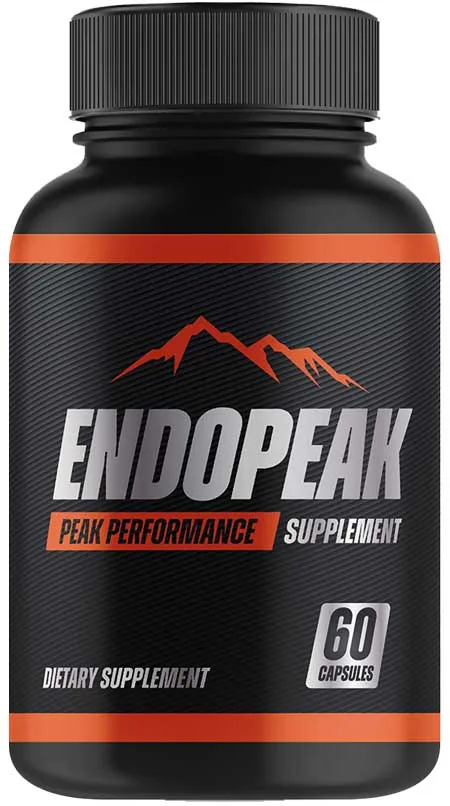
EndoPeak Review: Does It Really Support Healthy Erections and Stamina?
A men's sexual-wellness dietary supplement in capsule form, sold in 60, 90, and 180-day packages through the official website.
Read the reviewFrequently Asked Questions About Chrysin
Does chrysin really work?
Current human evidence does not show that it raises testosterone or improves training results. Small studies found no meaningful change. Lab findings are interesting, but poor absorption limits how far they apply to people.
Is chrysin safe?
Short-term use appears to be tolerated in the few small human studies, but safety data are limited and long-term effects are unknown. People with hormone-sensitive conditions, those who are pregnant, and those on medicines should talk with a doctor first.
Why is chrysin poorly absorbed?
It dissolves poorly in water and is rapidly metabolized by enzymes in the gut and liver. Transporters also pump it back out of cells. Researchers are testing nanoparticle and lipid carriers to get around this.
Can I get chrysin from food?
Yes, in small amounts. It is found in honey, propolis and passionflower. Food amounts are far lower than those in supplement capsules and are not known to have hormone effects.
Is chrysin the same as a testosterone booster?
No. It is marketed that way, but studies in men have not shown increased testosterone. It is not a drug and has not been proven to affect hormone levels.
Sources
- Effects of chrysin on urinary testosterone levels in human males — PubMed
- Chrysin — Examine
- Chrysin: Perspectives on Contemporary Status and Future Possibilities as Pro-Health Agent — PMC
- Chrysin: A Comprehensive Review of Its Pharmacological Properties and Therapeutic Potential — PMC
- Chrysin review on bioavailability — PMC
Last reviewed: