Camu Camu: Benefits, Research & Safety
Camu camu is a tart, cherry-sized fruit from the Amazon that is naturally high in vitamin C. People take it as a powder, capsule or juice, mainly for antioxidant and immune support. Human research is still very limited.
Camu Camu Ingredient Guide
Also known as: Myrciaria dubia, camu-camu berry, cacari, camocamo
- What it is
- Camu camu (Myrciaria dubia) is a small, sour fruit from a shrub that grows in flooded areas of the Amazon. Its pulp and skin contain vitamin C along with plant compounds such as polyphenols.
- What it does
- Its effects are thought to come mostly from vitamin C, an antioxidant the body needs. Other compounds in the fruit may add to this, but that is not well proven in people.
- How it is used
- It is sold as a freeze-dried or spray-dried powder, capsules and juice, and is often added to smoothies or greens blends. People usually take it as a general antioxidant or immune-support supplement.
- Natural sources and forms
- The fruit is the natural source. Supplements use dried fruit powder or extracts, and vitamin C content varies a lot between products, so the label matters. Some products are standardized to a vitamin C percentage.
- Why it appears in formulas
- Makers add it as a plant-based source of vitamin C and antioxidants, and because it fits the "superfruit" appeal of greens and wellness blends.
- What to know before use
- Camu camu can supply a lot of vitamin C, so check the label and count your total vitamin C intake from all products. Talk to a clinician first if you are pregnant, have kidney stones or take blood thinners.
What the Research Says
Overall: Early evidence
Most of the interest in camu camu rests on its vitamin C content, which is well documented in the fruit itself. The human research on camu camu as a supplement is thin.
The best-known human study is a small trial from 2008 in 20 male smokers. It compared 70 mL of camu camu juice with vitamin C tablets, each giving about 1,050 mg of vitamin C, for 7 days. The juice group had lower blood markers of oxidative stress and inflammation (such as IL-6 and IL-8), while the tablet group did not. The authors suggested other compounds in the fruit might matter.
That study was short, small and limited to one group of people, so it cannot show real health benefits. I did not find a larger independent trial confirming the result. A small student thesis in Brazil compared dried camu camu capsules with synthetic vitamin C in young adults, looking at blood sugar and fats, but it is not strong evidence. Many other findings come from lab and animal studies, which can't be assumed to apply to people.
Overall, camu camu is a reasonable source of vitamin C, but claims beyond that are not well supported by human research. Many retail and marketing pages describe the evidence more strongly than the studies do.
| Studied for | What the research says | Evidence |
|---|---|---|
| Oxidative stress and inflammation markers | One small 7-day trial in male smokers found lower oxidative stress and inflammation markers with camu camu juice, but not with an equal amount of vitamin C tablets. It has not been confirmed by larger studies. | Early evidence |
| Vitamin C supply | The fruit is a very concentrated natural source of vitamin C, though amounts vary by product. This is the best-established feature. | Moderate evidence |
| Blood sugar and blood fats | A small Brazilian thesis and animal and lab studies looked at glucose and lipids. Human evidence is too limited to draw conclusions. | Early evidence |
| Immune support | Claims for immune support are based mainly on vitamin C in general, not on camu camu trials. No good human trials of camu camu for colds or immunity were found. | Limited evidence |
Did you know? More vitamin C than an orange?
Camu camu pulp is reported to contain far more vitamin C by weight than oranges, with figures in the range of about 1,300 to 3,000 mg per 100 grams of fresh pulp. Supplement powders are much less concentrated per serving, and levels vary by product.
Amounts Used in Studies
These are amounts researchers used, not dosing advice. Ask your doctor or pharmacist what is right for you.
| Form | Amount | Study context |
|---|---|---|
| 100% camu camu juice (about 1,050 mg vitamin C) | 70 mL/day | One 7-day trial in 20 male smokers |
Safety, Side Effects and Interactions
Camu camu has not been well studied for long-term safety, and the FDA has not reviewed supplements for safety and effectiveness before sale. Most safety concerns come from its high vitamin C content.
Common side effects reported include nausea, diarrhea, stomach cramps and an upset stomach, which can depend on the amount and product. High vitamin C intake may raise the risk of kidney stones in some people. The tolerable upper intake level for vitamin C in adults is 2,000 mg/day in both US and European guidance, so count vitamin C from all supplements, fortified foods and diet.
Vitamin C can increase iron absorption, which matters for people with iron overload conditions such as hemochromatosis. Safety in pregnancy and breastfeeding has not been well studied, so ask a healthcare provider first. Allergic reactions are possible with any fruit product. Because potency varies, choose products with clear labeling and third-party testing where available.
Possible interactions
- High-dose vitamin C may affect how some blood thinners such as warfarin work, so ask a clinician.
- Vitamin C can increase iron absorption, which matters for people taking iron or with iron overload.
- High-dose antioxidants may interact with some chemotherapy or radiation treatments, so ask an oncology team first.
- Vitamin C may change how some other medicines are absorbed or processed, so check with a pharmacist if you take prescription drugs.
Avoid it or ask a doctor first if
- history of kidney stones
- hemochromatosis or other iron overload
- pregnant or breastfeeding without medical advice
- taking warfarin or other blood thinners
- undergoing cancer treatment without clinician approval
- known allergy to the fruit
Supplements We've Reviewed That Contain Camu Camu
Each review checks the full formula, price, refund policy and side effects.

Nagano Tonic Review: Does This Daily Scoop Really Help With Weight Loss?
Daily scoop supplement marketed for fat loss, energy and metabolism, sold through the official website with a 180-day refund claim.
Read the review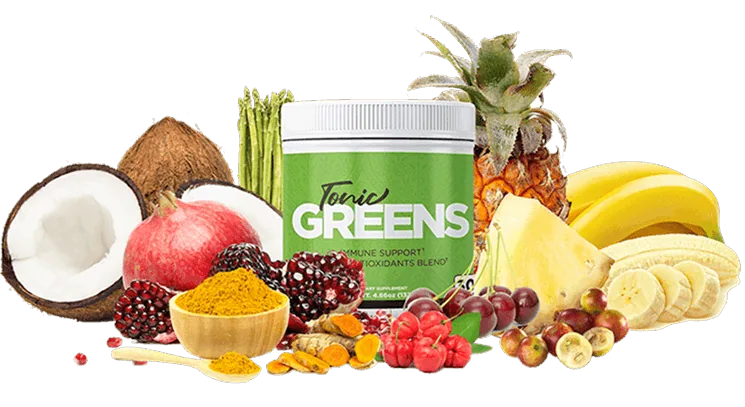
TonicGreens Review: Does This Greens Powder Really Support Immunity?
A daily greens-powder drink mix marketed for immune support, sold through the official website with a 60-day money-back guarantee.
Read the reviewFrequently Asked Questions About Camu Camu
Does camu camu really work?
It is a rich source of vitamin C, which the body needs. Beyond that, human evidence is small and early, including one 7-day trial in 20 smokers. Claims about immunity or inflammation are not firmly proven.
Is camu camu safe?
Camu camu is generally considered likely safe in food-like amounts for most healthy adults, though long-term data are limited. It can cause stomach upset and diarrhea, and its vitamin C may matter for people with kidney stones, iron overload or on blood thinners.
Is camu camu better than regular vitamin C?
One small trial found changes in inflammation markers with camu camu juice but not with vitamin C tablets. That is a single small study, so it does not show that camu camu is better.
How is camu camu usually taken?
It is sold as powder, capsules and juice, and is often mixed into smoothies or greens blends. Follow the product label and ask a clinician about amounts that suit you.
Does camu camu taste good?
The fruit is very sour and tart, which is why it is usually sold as a powder or blended with other ingredients.
Sources
- Tropical fruit camu-camu (Myrciaria dubia) has anti-oxidative and anti-inflammatory properties — PubMed
- Camu camu — WebMD
- Dissertation on camu-camu capsules vs. synthetic vitamin C — Universidade Federal do Amazonas
Last reviewed: